
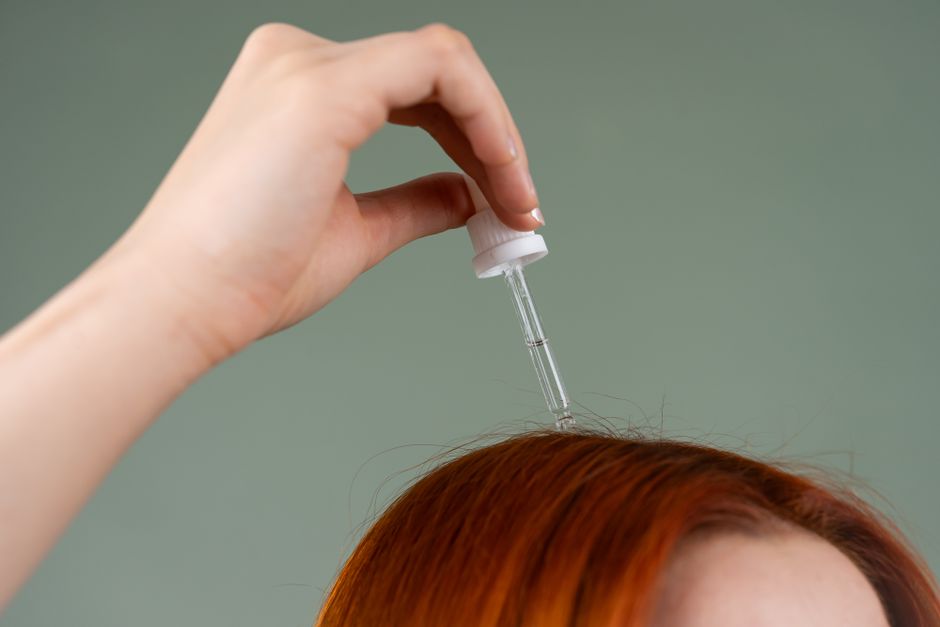
Getting rid of head lice is not about cleaning your house or shaving anyone’s head. It is about killing the live bugs and then removing every single egg (nit) from the hair shaft. The process takes about two weeks. Here are the step by step instructions to eliminate head lice for good: First, treat the hair with a proven lice killer — either a medical shampoo containing permethrin or a prescription medication like ivermectin. Second, comb out every nit using a fine-toothed metal nit comb. Third, repeat the treatment exactly nine days later to kill any newly hatched lice. Fourth, check every scalp in the household weekly for at least three weeks to confirm the infestation is gone.
What Is the Most Effective Way to Kill Live Lice?
Over-the-counter products containing permethrin (brand name Nix) are the standard first treatment. The CDC states that permethrin is safe and effective when used correctly. You apply it to dry hair, leave it on for exactly 10 minutes, then rinse with warm water. Do not use conditioner before applying — it coats the hair and blocks the medicine from reaching the lice.
If you live in an area where lice have developed resistance to permethrin — and this is increasingly common in parts of the United States — you may need a prescription product. Ivermectin lotion (Sklice) is applied to dry hair and left on for 10 minutes. It works differently than permethrin and resistance is far less common. A single application kills most live lice. Research published in the New England Journal of Medicine found that ivermectin lotion was more effective than permethrin after a single treatment.
Benzyl alcohol lotion (Ulesfia) is another prescription option. It kills lice by suffocating them rather than poisoning them. You apply it for 10 minutes and then repeat the treatment seven days later. It works well but requires two applications. Spinosad (Natroba) is a newer option that kills both lice and nits in a single 10-minute application. Studies show it is highly effective but it costs more than permethrin.
How Do You Remove Every Nit After Treatment?
Killing the live lice is only half the job. The nits — the eggs glued to individual hair strands — will not fall off after treatment. They must be physically removed. If you leave nits behind, they hatch into new lice within 7 to 10 days and the infestation returns.
Use a metal nit comb with very fine teeth — the spacing should be less than 0.3 millimeters. Plastic combs that come with lice shampoos are often too flexible and let nits slip through. Buy a separate metal comb online or at a pharmacy. Section the hair into small parts using clips. Comb each section from the scalp to the tip of the hair. Wipe the comb on a paper towel after each pass and inspect for nits and lice.
This process takes 30 to 60 minutes depending on hair length and thickness. Some people report that applying conditioner or a detangling spray makes combing easier. The American Academy of Pediatrics advises against using conditioner before treatment but says it is fine to use it during combing sessions between treatments. Do this every two to three days for two weeks to catch any nits you missed.
How To Eliminate Head Lice Without Using Chemicals
Some people prefer non-chemical methods, especially for young children or pregnant women. The evidence for these methods varies significantly. Wet combing — combing through wet hair with a nit comb every three to four days for several weeks — works but requires extreme consistency. A study in the British Medical Journal found that wet combing with a metal comb was as effective as chemical treatments when done correctly. The catch is that you must comb every strand of hair every three days for at least two weeks.
Essential oils like tea tree oil and lavender oil are widely claimed to kill lice. Some studies suggest that tea tree oil has insecticidal properties. A 2012 study in Parasitology Research found that a tea tree oil and lavender oil spray killed lice in a lab setting. But lab conditions are not the same as a human scalp. There is no strong clinical evidence that essential oils alone reliably eliminate an active infestation. They may work as a preventative or a supplement to combing but do not rely on them as your primary treatment.
Dimethicone-based products are a better non-chemical option. Dimethicone is a silicone oil that coats lice and suffocates them. Products like LiceMD and NYDA contain dimethicone. A 2018 review in the Journal of Medical Entomology found that dimethicone products had success rates between 70 and 92 percent. They are safe for children over six months old and do not involve neurotoxins. Apply the product to dry hair, leave it on for at least eight hours (overnight works best), then comb out the dead lice and nits.



What About Home Remedies Like Mayonnaise and Olive Oil?
Home remedies like mayonnaise, olive oil, butter, and petroleum jelly are among the most persistent myths in lice treatment. The idea is that smothering the lice with a thick substance will suffocate them. Lice can hold their breath for several hours. Studies have found that these substances do not reliably kill lice. A study published in Pediatrics found that petroleum jelly applied overnight only killed about 50 percent of lice. That is not good enough to break the infestation cycle.
Vinegar and apple cider vinegar are also common home remedies. People claim vinegar dissolves the glue that holds nits to hair. Research does not support this. A 2016 study in the Journal of the American Academy of Dermatology tested vinegar against water and found no difference in how tightly nits remained attached. Vinegar may help loosen some debris but it will not remove nits on its own.
Heat from a hairdryer or flat iron is another popular suggestion. High heat can kill lice and nits but the risk of burning the scalp is real. The temperature needed to kill lice — about 130 degrees Fahrenheit — is close to the temperature that causes scalp burns. The FDA has not approved any heat-based device for home use. The LouseBuster device uses controlled heated air but it is only available in professional settings.
How Do You Treat the Whole Family and Prevent Reinfestation?
Lice spread through direct head-to-head contact. They do not jump or fly. They crawl from one scalp to another when heads touch. This means the most common source of reinfestation is another person in the household who was not treated. Check every family member’s scalp. Anyone with live lice or nits within a quarter inch of the scalp should be treated.
You do not need to fumigate your home. Lice cannot survive more than 24 to 48 hours off a human scalp. The CDC says vacuuming carpets and furniture is sufficient. Wash bedding, hats, and clothing that the infested person used in the past 48 hours in hot water (130 degrees Fahrenheit or higher) and dry on high heat. Items that cannot be washed can be sealed in a plastic bag for two weeks. Soaking combs and brushes in hot water for 10 minutes kills any lice or nits on them.
Do not use lice sprays on furniture or bedding. These products contain pesticides that are unnecessary and potentially harmful. A study by the CDC found that some lice sprays contain permethrin at concentrations that can cause respiratory irritation in children. Save the chemicals for the scalp only.
| Treatment | How It Works | Effectiveness | Repeat Needed? |
|---|---|---|---|
| Permethrin (Nix) | Neurotoxin kills live lice | 70-80% in areas without resistance | Yes, day 9 |
| Ivermectin (Sklice) | Paralyzes and kills lice | 85-95% after single dose | Usually not |
| Dimethicone | Suffocates lice | 70-92% | Yes, day 9 |
| Wet combing | Physical removal | 50-80% depending on consistency | Every 3-4 days for 2 weeks |
| Essential oils | Insecticidal in lab | Unproven in clinical trials | Not recommended as sole treatment |
How To Eliminate Head Lice When Nothing Seems to Work
Some infestations persist despite multiple treatments. This usually happens for one of three reasons. First, you may be dealing with permethrin-resistant lice. If you used permethrin twice and still see live lice after 24 hours, switch to a different active ingredient like ivermectin or spinosad. Second, you may be missing nits during combing. Go back to the combing step and be more thorough. Section the hair into smaller parts and use better lighting. A magnifying lamp helps. Third, someone in the household may have a mild infestation that you missed. Recheck everyone again.
There is no clinical evidence that shaving a child’s head eliminates lice more effectively than proper treatment. Shaving removes the hair that lice attach to but it is unnecessary and distressing for most children. The exception is if the hair is very short to begin with and the infestation is severe. Even then, treatment and combing work just as well.
If you have tried two different treatments with a full combing regimen and still have lice, see a doctor. Some pediatricians can prescribe malathion lotion (Ovide), which is highly effective but requires a prescription and has a strong smell. Malathion is applied for 8 to 12 hours and then washed out. It is typically used as a last resort because of the odor and the need to keep it on overnight. A dermatologist can also confirm whether what you are seeing is actually lice — sometimes dandruff, hair casts, or debris from hair products are mistaken for nits.
Frequently Asked Questions
Can lice survive on pillows and sheets?
Lice can survive off the scalp for up to 48 hours but they rarely spread this way. Wash bedding in hot water and dry on high heat to be safe.
Do I need to treat my pets for lice?
No. Head lice are species-specific and only live on humans. Pets cannot catch or spread human head lice.
How long does it take to fully get rid of head lice?
The complete process takes about two weeks. Treatment kills live lice immediately but nits hatch over 7 to 10 days so a second treatment at day nine is essential.
Can head lice cause serious health problems?
No. Head lice are a nuisance but they do not carry disease. The main risk is skin infection from excessive scratching.
