
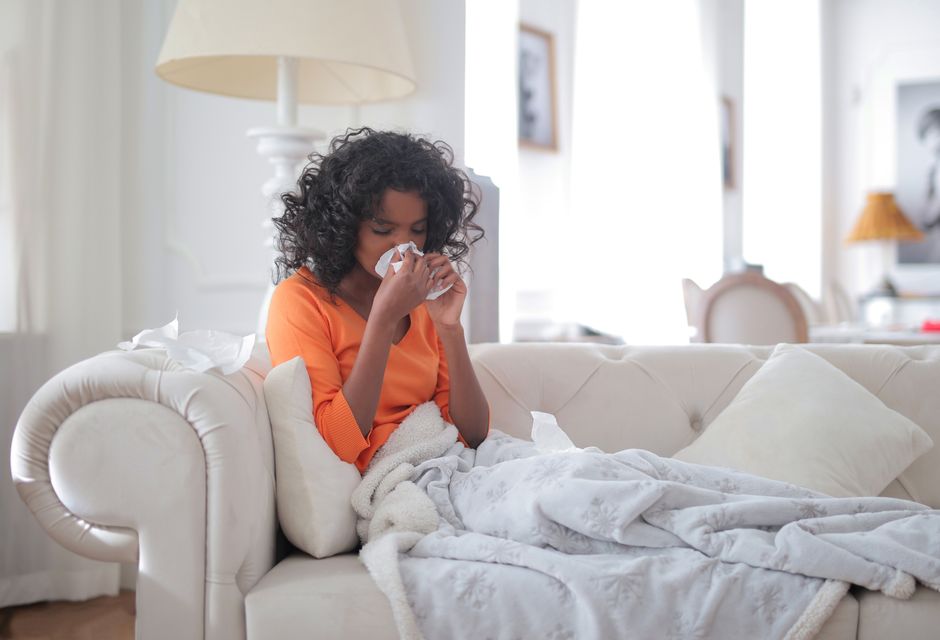
Indoor allergens hide in plain sight. Dust mites, pet dander, mold spores, and pollen settle into carpets, bedding, and upholstery, and they trigger symptoms year-round. Eliminating them for good means changing how you clean, not just cleaning more often. The core strategy is simple: remove the reservoirs where allergens collect, block the sources that bring them in, and control the humidity that lets them thrive. This guide walks through each step with practical, evidence-based methods that actually reduce allergen levels in a home.
What Are the Most Common Indoor Allergens?
Four allergens cause the vast majority of indoor allergy problems. Dust mites are microscopic creatures that feed on dead skin cells. They thrive in warm, humid environments and concentrate in mattresses, pillows, and carpets. Their waste particles are the actual allergen that triggers symptoms.
Pet dander is not fur. It is tiny flakes of skin shed by cats and dogs. The protein in dander, saliva, and urine triggers reactions in sensitive people. Dander is lightweight and stays airborne for hours, and it clings to furniture and fabrics.
Mold spores float through indoor air and settle on damp surfaces. Bathrooms, kitchens, basements, and any area with a leak can host mold colonies. Cockroach droppings and body parts are a significant allergen in urban homes and apartment buildings, even when no infestation is visible.
Pollen enters through open windows, doors, and on clothing. Once inside, it settles into carpets and upholstery where it can persist long after outdoor pollen season ends.
How To Eliminate Allergens In Your Home For Good: Start With the Bedroom
The bedroom is where you spend a third of your life, so it deserves the most attention. Dust mites colonize bedding quickly. A mattress can harbor millions of them.
Encasing your mattress, box spring, and pillows in zippered, allergen-proof covers creates a physical barrier. These covers have tightly woven fabric that dust mites and their waste cannot pass through. This is one of the most effective single steps you can take.
Wash all bedding in hot water weekly. Water at or above 130°F (54°C) kills dust mites. If your water heater is set lower, use a commercial allergen wash additive designed to remove allergens in cold water. Dry bedding on high heat for at least 20 minutes.
Remove carpet from the bedroom if possible. Hardwood, tile, or laminate flooring eliminates a major dust mite reservoir. If carpet must stay, vacuum it twice weekly with a HEPA-filter vacuum.
Keep pets out of the bedroom entirely. Pet dander accumulates in bedding and carpet, and once it is there, routine cleaning struggles to remove it. Closing the bedroom door creates a low-allergen sanctuary.
What Cleaning Methods Actually Remove Allergens?
Vacuuming with a standard vacuum can make allergies worse. Many vacuums exhaust fine particles back into the air. A vacuum with a HEPA filter traps these particles instead of recirculating them. Look for HEPA filtration as a non-negotiable feature.
Vacuum slowly and thoroughly. Fast vacuuming over a carpet picks up surface dirt but misses the deeper layers where allergens settle. Multiple slow passes are more effective than one quick sweep. Pay attention to edges and corners where dust accumulates.
Dusting with a dry cloth just moves allergens around. Use a damp microfiber cloth that traps particles rather than dispersing them. Start at the top of a room and work downward so that falling dust does not recontaminate surfaces you already cleaned.
Steam cleaning carpets and upholstery every three to six months removes allergens that vacuuming cannot reach. The high temperature kills dust mites, and the extraction process removes their waste. Allow everything to dry completely afterward, because damp carpet invites mold growth.
Decluttering matters more than most people realize. Bookshelves, knickknacks, and piles of papers collect dust and make cleaning harder. Fewer surfaces mean fewer places for allergens to settle.





How Does Humidity Control Reduce Allergens?
Dust mites need humidity to survive. They absorb moisture from the air through their bodies. When indoor relative humidity drops below 50 percent, dust mite populations decline. Keeping humidity between 30 and 50 percent makes the environment inhospitable to them.
Mold also requires moisture. Bathrooms, basements, and kitchens are the highest-risk areas. Fix leaks promptly. Use exhaust fans during and after showers. Run a dehumidifier in damp basements and check it regularly.
A hygrometer measures indoor humidity. These inexpensive devices take the guesswork out of humidity control. If readings stay above 50 percent, a dehumidifier is a worthwhile investment.
Air conditioning also removes moisture from the air while cooling. Running AC during humid months helps control both temperature and humidity. Change AC filters regularly, because dirty filters become a breeding ground for mold.
Do Air Purifiers Really Help With Allergies?
Air purifiers with HEPA filters remove airborne particles, including pet dander, dust mite waste, mold spores, and pollen. They are genuinely effective at reducing the concentration of allergens floating in the air.
But air purifiers only clean the air that passes through them. They do nothing for allergens sitting in carpets, bedding, or upholstery. They are a complement to cleaning, not a replacement for it.
Choose a purifier sized for the room where you use it. A small unit in a large open space will not keep up. Place it in the bedroom where you spend the most continuous time. Run it continuously, not just when symptoms flare.
Some air purifiers claim to remove allergens through ionization or photocatalytic oxidation. The evidence for these technologies is limited. Stick with HEPA filtration, which has decades of research supporting its effectiveness.
How Should You Handle Pet Allergies?
The most effective solution for pet allergies is keeping the pet out of the home entirely. For most pet owners, that is not an acceptable option. The next best approach reduces exposure without removing the pet.
Bathing a dog weekly reduces the amount of dander it sheds. Cat bathing is more difficult and less commonly recommended. Wiping pets down with a damp cloth can help remove loose dander and saliva proteins from their fur.
Wash pet bedding weekly in hot water. Vacuum furniture where pets sit. Use washable throw covers on sofas and chairs, and wash them frequently. Brush pets outdoors to keep loose fur and dander from spreading indoors.
HEPA air purifiers in rooms where pets spend time reduce airborne dander. Hard flooring in pet areas is easier to keep clean than carpet, which traps dander deeply.
Some allergy sufferers find that bathing, wiping, and cleaning reduce symptoms enough to coexist with pets. Others do not. If symptoms persist despite thorough cleaning, the honest answer is that rehoming the pet may be the only reliable solution.
What Role Do HVAC Systems Play in Allergen Control?
Your heating and cooling system moves air through the entire home. If it is dirty, it distributes allergens to every room. The filter is the first line of defense.
Use a filter with a MERV rating of 11 or higher. Higher-rated filters capture smaller particles, including pollen, mold spores, and dander. Change the filter every one to three months, depending on the manufacturer’s guidance and how often the system runs.
Have ductwork inspected and cleaned if you move into an older home or if visible dust and debris accumulate around vents. Duct cleaning is not needed on a fixed schedule for most homes, but it helps when contamination is visible or after renovations.
Seal gaps around windows and doors to reduce pollen entry during high pollen seasons. This also improves energy efficiency and keeps outdoor allergens from settling indoors.
Frequently Asked Questions
How often should I wash my bedding to remove allergens?
Wash sheets, pillowcases, and blankets in hot water at least once a week. This kills dust mites and removes the waste particles that trigger allergic reactions.
Do air purifiers remove allergens from carpets and furniture?
No. Air purifiers only remove particles that are floating in the air. Allergens embedded in carpets, upholstery, and bedding require vacuuming, washing, and steam cleaning to remove.
Can I eliminate pet allergens without getting rid of my pet?
You can reduce them significantly but not eliminate them entirely. Bathing pets weekly, keeping them out of the bedroom, using HEPA air purifiers, and washing pet bedding regularly all lower allergen levels in the home.
Is a HEPA vacuum worth the extra cost?
Yes, if anyone in the home has allergies. Standard vacuums can blow fine allergen particles back into the air. HEPA vacuums trap those particles, which reduces the amount you breathe in while cleaning.
