
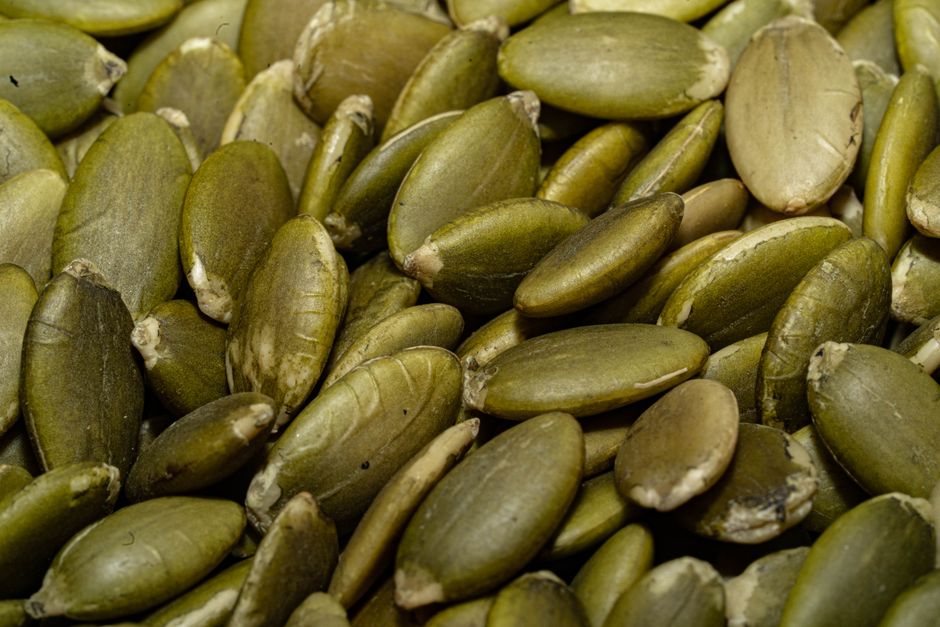
You can eat pumpkin seeds raw, roasted, or ground into a powder, and the preparation method changes both the texture and how your body handles them. The seeds are edible at every stage — straight from the pumpkin, salted and roasted, or blended into a smoothie. What matters most is whether you eat them shelled or whole, and how much salt and oil you add along the way. This guide covers the practical steps, the nutrition behind them, and the honest limits of what pumpkin seeds can and cannot do.
What Are Pumpkin Seeds, Exactly?
A pumpkin seed is the seed of a squash plant. The pale green kernel inside is the part most people eat. The white or off-white hull around it is the shell.
You will see two names in stores: pumpkin seeds and pepitas. Pepitas are the hull-less seeds — they come from specific pumpkin varieties whose seeds have a thin or no shell. The two are nutritionally similar, though the shell adds fiber.
Pumpkin seeds are eaten across many cultures. In Mexico, they are toasted and ground into a sauce called pipián. In parts of Central and Eastern Europe, they are pressed for oil. In the US, they are most often roasted and salted as a snack.
The seed itself is dense in fat, protein, and minerals. That density is why a small handful goes a long way — and why eating a large amount at once can upset your stomach.
How Do You Prepare Pumpkin Seeds From a Fresh Pumpkin?
Start by scooping the seeds out of the pumpkin. Separate them from the orange stringy pulp — a colander and running water make this faster.
You have a choice at this point. You can leave the shells on, or remove them. Removing the hull from raw seeds is tedious and usually not worth the effort. Most people roast the seeds with the shells on and eat the whole thing.
Here is a simple method:
- Rinse the seeds and pat them dry. Wet seeds steam instead of roast.
- Toss with a small amount of oil if you want them to crisp.
- Spread in a single layer on a baking sheet.
- Roast at 300°F (about 150°C), stirring once or twice, until they smell nutty and look lightly browned.
- Cool completely before storing. Warm seeds trap moisture and go soft.
Oven temperatures and times vary by oven and seed size, so watch them rather than trusting a fixed number. Burnt pumpkin seeds turn bitter quickly.
If you want them raw, you can eat them straight after rinsing. Raw seeds are chewier and have a milder, more vegetal taste.
What Is the Best Way to Eat Pumpkin Seeds for Nutrition?
For most people, the best approach is unsalted, dry-roasted or raw, in modest amounts. Roasting does not destroy the main nutrients, though very high heat and long roasting can reduce some heat-sensitive compounds.
Pumpkin seeds are a good source of magnesium, zinc, iron, and phosphorus, along with protein and healthy fats. They also contain vitamin E and several antioxidants.
Two practical points matter more than most people realize:
- Chew them well. Whole seeds can pass through your digestive tract intact if you swallow them without chewing. Grinding or chewing breaks the seed coat and lets your body access the nutrients inside.
- Watch the salt. Most store-bought roasted pumpkin seeds are heavily salted. A salty snack raises sodium intake, which matters for blood pressure.
If you have trouble digesting whole seeds, ground pumpkin seeds are easier on the gut. You can grind them in a coffee grinder or blender and add them to oatmeal, yogurt, or smoothies.
How Much Pumpkin Seeds Should You Eat?
A common serving is about one ounce, roughly a small handful or a quarter cup of shelled kernels. That portion delivers a meaningful share of your daily magnesium and zinc.
There is no official recommended daily amount for pumpkin seeds specifically. What most guidance suggests is that seeds fit within an overall eating pattern, not as a standalone health food.
Eating a very large amount at once — several ounces — can cause stomach discomfort, bloating, or loose stools. This is largely because of the fiber and fat content. If you are not used to eating seeds, start with a small amount and see how you feel.
For people with certain medical conditions, portion size matters more. If you are on a potassium-restricted diet or have kidney disease, talk to your doctor before adding large amounts of seeds, since they are mineral-dense.
Can You Eat Pumpkin Seeds Raw?
Yes. Raw pumpkin seeds are safe to eat and are sold in most grocery stores. There is no cooking step required for safety.
The main difference between raw and roasted is taste and texture. Raw seeds are softer and more mild. Roasted seeds are crunchier and more flavorful.
One caution applies to raw seeds from a fresh pumpkin: wash them well. They come out covered in pulp, and raw seeds can carry bacteria from the outside of the pumpkin or from handling. Rinsing under running water reduces that risk.
Some people find raw seeds harder to digest than roasted ones. If raw seeds bother your stomach, roasting them may help.
Do Pumpkin Seeds Have Real Health Benefits?
Pumpkin seeds are nutritious, and that part is well established. Whether eating them prevents or treats specific diseases is a different question, and the evidence there is much thinner.
What is well supported:
- They are a genuine source of magnesium, zinc, iron, and protein.
- They contain unsaturated fats, which are part of a heart-healthy eating pattern when they replace saturated fats.
- They provide fiber, especially if you eat the shells.
What is often claimed but less certain:
Pumpkin seeds are frequently marketed for prostate health, better sleep, and blood sugar control. Some small studies have looked at pumpkin seed oil and prostate symptoms, and some research has examined pumpkin seed compounds and sleep. But these findings are preliminary. No large, well-controlled human trials confirm that eating pumpkin seeds treats these conditions.
If you see a product labeled as a “prostate supplement” or a “sleep aid” made from pumpkin seeds, treat the claim with caution. The nutritional value is real. The medical claims are not established.
Are There Any Risks or Downsides?
For most people, pumpkin seeds are a safe food. The main issues are portion size and preparation.
Possible downsides include:
- Stomach upset or bloating from eating too many at once.
- High sodium if you eat heavily salted versions.
- Extra calories — seeds are calorie-dense, so a large handful adds up quickly.
- Choking risk for young children, since whole seeds are small and hard.
If you have kidney disease, a history of kidney stones, or a condition that requires you to limit certain minerals, check with your doctor before making pumpkin seeds a regular part of your diet. They are high in phosphorus and potassium.
An allergy to pumpkin seeds is uncommon but possible. If you notice itching, swelling, or trouble breathing after eating them, seek medical care.
How Should You Store Pumpkin Seeds?
Store pumpkin seeds in an airtight container. Because they are high in fat, they can go rancid over time.
Roasted seeds keep at room temperature for a few weeks. For longer storage, keep them in the refrigerator or freezer. Raw seeds last longer in the fridge as well.
If seeds smell bitter, sour, or like old paint, throw them out. That smell means the oils have gone rancid.
Frequently Asked Questions
Can you eat pumpkin seeds straight from the pumpkin?
Yes, you can eat them raw right after rinsing off the pulp. Wash them well first, since raw seeds can carry bacteria from handling and the outside of the pumpkin.
Should you eat pumpkin seeds with or without the shell?
Both are fine. The shell adds fiber, but it is harder to chew and digest. Shelled kernels, called pepitas, are easier on the stomach and still nutritious.
How many pumpkin seeds should you eat a day?
There is no official daily recommendation, but a common serving is about one ounce, or a small handful. Eating much more at once can cause bloating or stomach upset.
Do pumpkin seeds really help you sleep or help your prostate?
Some small studies have looked at these claims, but the evidence is preliminary and no large human trials confirm them. The nutritional value of pumpkin seeds is well established; the medical claims are not.
