
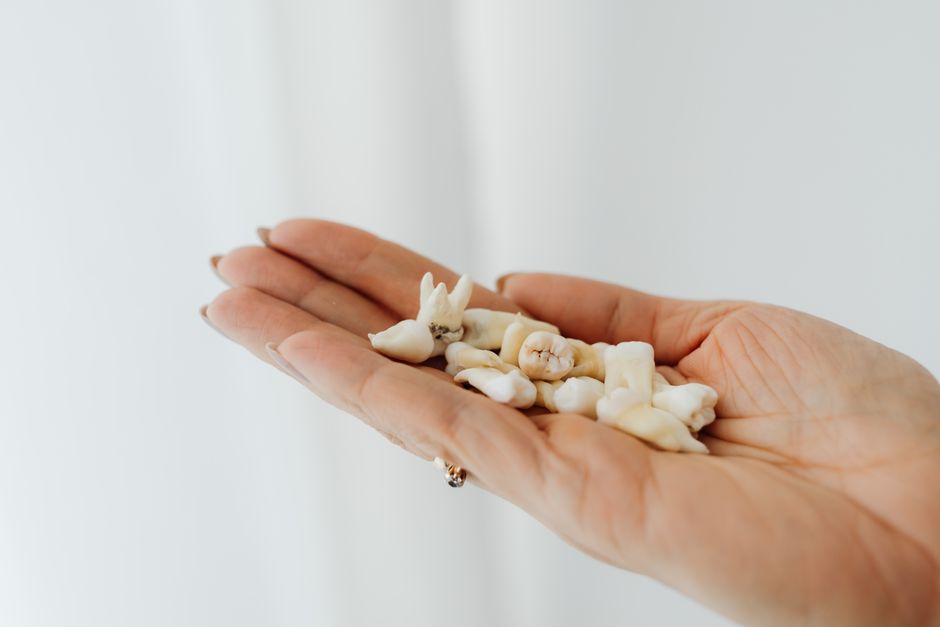
Eating after a tooth extraction is not about avoiding food. It is about protecting the blood clot that forms in the socket. That clot is the foundation for healing. If it dislodges, you can develop a painful condition called dry socket, which delays recovery. The safest approach is to eat soft foods that require no chewing, avoid anything that creates suction, and keep the food away from the extraction site for the first few days.
What Happens To Your Mouth After An Extraction
When a tooth is removed, your body immediately starts the healing process. A blood clot forms in the empty socket. This clot acts like a natural bandage. It stops bleeding, protects the bone and nerves underneath, and provides the framework for new tissue to grow.
That clot is fragile. It can be dislodged by pressure, suction, or even vigorous rinsing. If the clot comes out too early, the bone and nerve endings are exposed to air, food, and fluids. This is called dry socket. It is intensely painful and usually requires a visit back to the dentist for treatment.
The first 24 to 72 hours after the extraction are the most critical. During this window, the clot is still forming and attaching to the socket walls. Your eating habits during this time directly influence whether the clot stays in place.
What Foods Are Safe To Eat Right After Surgery
For the first 24 to 48 hours, stick to foods that are completely soft and require zero chewing. The goal is to get nutrition without disturbing the surgical site.
Safe options include:
- Yogurt and pudding
- Mashed potatoes
- Applesauce
- Smoothies and protein shakes (drink with a spoon, not a straw)
- Scrambled eggs
- Oatmeal or cream of wheat
- Broth and strained soups
- Cottage cheese
- Ice cream and gelatin desserts
These foods are easy to swallow and do not require pressure from the teeth. They also tend to be cool or room temperature, which helps reduce swelling in the first day.
Warm foods are fine, but avoid anything hot. Heat can increase blood flow to the area and may encourage bleeding. Let soups and cooked cereals cool to lukewarm before eating.
What Foods To Avoid After A Tooth Extraction
Some foods are dangerous after an extraction, not because they are unhealthy, but because they physically threaten the healing socket.
Crunchy and hard foods are the biggest risk. Chips, nuts, popcorn, crackers, and hard candies can break into sharp pieces. These pieces can get lodged in the socket or press against the clot and dislodge it. Popcorn is especially problematic because the hulls can become trapped in the healing tissue and cause infection.
Chewy foods like steak, jerky, bagels, and crusty bread require significant chewing. Chewing creates pressure that can shift the clot. Even if you chew on the opposite side of your mouth, the movement of your jaw muscles can disturb the extraction site.
Spicy and acidic foods can irritate the raw tissue. Hot sauces, citrus fruits, tomatoes, and vinegar-based dressings may cause a burning sensation and delay healing. This is more of a comfort issue than a structural risk, but it is worth avoiding for the first few days.
Foods with small seeds like sesame seeds, chia seeds, or berries with tiny seeds can get stuck in the socket. Once lodged, they are difficult to remove and can cause irritation or infection.
Alcohol and carbonated drinks should be avoided for at least 48 hours. Alcohol can thin the blood and increase bleeding risk. Carbonation creates pressure that may disturb the clot.



How To Eat And Drink Without Dislodging The Clot
How you eat matters as much as what you eat. The mechanics of eating can be just as risky as the food itself.
Chew on the side of your mouth opposite the extraction. This is the most basic and important rule. Even with soft foods, direct pressure on the socket can be painful and disruptive.
Never use a straw. Suction from a straw is one of the most common causes of dry socket. The negative pressure can pull the blood clot right out of the socket. This applies to smoothies, water, and any other drink. Drink directly from a cup or glass instead.
Take small bites and small sips. Large mouthfuls require more movement and create more pressure. Small amounts are easier to manage and keep food away from the surgical site.
Do not spit forcefully. After rinsing or brushing, let the liquid fall out of your mouth into the sink rather than spitting it out. The force of spitting creates suction similar to a straw.
Eat slowly and stop if it hurts. Pain while eating is a sign that something is irritating the site. Do not push through it. Stop, rest, and try a different food or a smaller amount.
When Can You Return To A Normal Diet
Recovery timelines vary, but most people can return to a relatively normal diet within a week. The key is to progress gradually and listen to your body.
Days 3 to 5 after the extraction, you can usually add softer solid foods. Pasta, soft bread, pancakes, and well-cooked vegetables are reasonable options. Continue to chew on the opposite side and avoid anything crunchy, hard, or sticky.
By day 7 to 10, most people can eat most foods. However, if you had a difficult extraction, such as an impacted wisdom tooth, recovery may take longer. The socket may still be tender, and the area may still be healing beneath the surface.
Full healing of the socket can take several weeks to months. The gum tissue closes over the socket in about 2 to 3 weeks, but the bone underneath continues to remodel for months. Even after the gum looks healed, the area can be sensitive to pressure.
A good rule of thumb: if it hurts to eat something, wait a few more days. Pain is your body telling you the area is not ready.
How To Keep The Extraction Site Clean While Eating
Keeping food particles out of the socket is important for preventing infection. But you must clean the area carefully, especially in the first few days.
Do not rinse your mouth at all for the first 24 hours after the extraction. This allows the clot to form and stabilize. Rinsing too early can wash the clot away.
After the first 24 hours, you can gently rinse with warm salt water. Mix about half a teaspoon of salt in a glass of warm water. Do not swish vigorously. Tilt your head and let the water move gently around your mouth. Then let it fall out into the sink without spitting.
When brushing your teeth, avoid the extraction site for the first few days. Brush the rest of your mouth normally, but do not brush the socket directly. The bristles can dislodge the clot or irritate the healing tissue.
If food gets stuck in the socket, do not pick at it with your finger, a toothpick, or your tongue. Gently rinse with salt water. If the food will not come out with a gentle rinse, contact your dentist for advice.
What To Do If You Think The Clot Came Out
Dry socket symptoms usually appear 2 to 4 days after the extraction. The most common sign is a deep, throbbing pain in the extraction site that does not improve with over-the-counter pain relievers. The pain may radiate to your ear, eye, or jaw on the same side.
You may also notice an empty-looking socket or see bone in the hole. The socket may have an unpleasant taste or odor.
If you suspect dry socket, contact your dentist. This condition does not resolve on its own. Your dentist will need to clean the socket and place a medicated dressing inside to relieve the pain. This dressing typically needs to be changed every few days until the pain subsides.
Dry socket is not an infection. It is a painful complication, but it is treatable. With proper care, it does not permanently harm your oral health.
Frequently Asked Questions
Can I drink coffee after a tooth extraction?
Wait at least 48 hours before drinking coffee. The heat can increase bleeding and the caffeine may raise your heart rate, which can also promote bleeding.
How long do I need to avoid using a straw?
Avoid straws for at least 7 days after your extraction. The suction from a straw can dislodge the blood clot and cause dry socket.
Can I eat rice after tooth extraction?
Rice is generally safe after the first few days, but small grains can get stuck in the socket. If you eat rice, rinse gently with salt water afterward to clear any particles.
Is it normal to have a bad taste in my mouth after extraction?
A mild bad taste is common in the first few days as the clot forms and healing begins. A strong, persistent bad taste or odor can indicate an infection or food trapped in the socket, so contact your dentist if it does not improve.
