
Purslane is a succulent green with thick, reddish stems and small, fleshy leaves. You can eat it raw in salads, cook it like spinach, or pickle the stems for a tart, crunchy condiment. Each method changes the texture and flavor, and each has practical trade-offs worth knowing before you head to the kitchen.
The plant is often treated as a weed in American lawns, but it has a long history as food in Mediterranean, Mexican, and Middle Eastern cooking. It has a mild lemony bite and a slightly mucilaginous quality when cooked, similar to okra but less pronounced. That texture is either a feature or a problem depending on how you use it.
This guide covers how to prepare purslane each way, what happens to its nutrients under different cooking methods, and the safety points that matter most.
What Is Purslane And Why Does Preparation Matter?
Purslane is the common name for Portulaca oleracea, an annual succulent that grows in warm, disturbed soil almost everywhere in the world. Both the leaves and stems are edible. The plant is notable for containing omega-3 fatty acids, which is unusual for a leafy green.
Preparation matters for two reasons. First, purslane holds water in its leaves and stems, so it releases moisture quickly when heated. Second, it contains oxalates, naturally occurring compounds found in many greens including spinach, rhubarb, and beet greens. Oxalates bind to minerals like calcium and can contribute to kidney stones in people who are prone to forming them. Cooking reduces oxalate content in leafy greens, though the exact reduction varies by plant and method.
That said, purslane’s oxalate levels are generally considered lower than spinach’s. If you have a history of calcium oxalate kidney stones, talk to your doctor before making it a regular part of your diet. For most people, it is simply a vegetable.
How To Eat Purslane Raw
Raw purslane is the most straightforward way to eat it, and it keeps the texture that makes the plant distinctive. The leaves are crisp and juicy with a light sour note. The stems are crunchier and slightly more tart.
Start by cutting or pinching off the roots. Rinse the whole plant well. Purslane grows low to the ground, so grit and soil collect in the leaf joints. Swish it in a bowl of cold water, lift it out, and repeat if needed. Pat dry or spin it dry. Wet leaves dilute dressings and go limp faster.
You can use the leaves and tender stems whole. Thicker stems can be chopped. It works in:
- Tossed salads with tomato, cucumber, and olive oil
- Grain bowls with rice, farro, or quinoa
- Wrapped into tacos or sandwiches in place of lettuce
- Folded into yogurt or labneh with garlic and salt
- Blended into a green sauce or pesto
One practical note: raw purslane does not keep long once dressed. Acid and salt pull water out of the leaves and the salad turns soupy within an hour or so. Dress it right before serving.
Flavor pairing matters here. Purslane’s lemony tang works with olive oil, lemon juice, garlic, mint, parsley, tomato, and cumin. It clashes with heavy cream sauces and strong cheeses.
How To Cook Purslane
Cooking softens purslane and tames its sourness. It behaves much like spinach but holds its shape a little better and releases more liquid. Expect a wilted, slightly slippery texture.
The simplest method is a quick sauté. Heat olive oil in a pan, add chopped garlic, then add the purslane and stir for a minute or two until it wilts. Salt at the end. Salting early draws out water and steams the greens instead of sautéing them.
You can also:
- Steam it for a few minutes until tender, then dress with lemon and olive oil
- Blanch it briefly in boiling water, then shock it in ice water to keep color
- Add it to soups and stews near the end of cooking, as you would spinach
- Stir it into eggs, frittatas, or rice dishes
- Fold it into a tomato sauce for pasta
Purslane’s mucilaginous quality means it can thicken soups and stews slightly. Some cooks use that on purpose. In Mexican cooking, purslane is often cooked with pork in a tomatillo sauce, where the thickening is part of the dish.
Cooked purslane does not hold up well to reheating. It gets softer and releases more water each time. Eat it fresh when you can.
How To Pickle Purslane
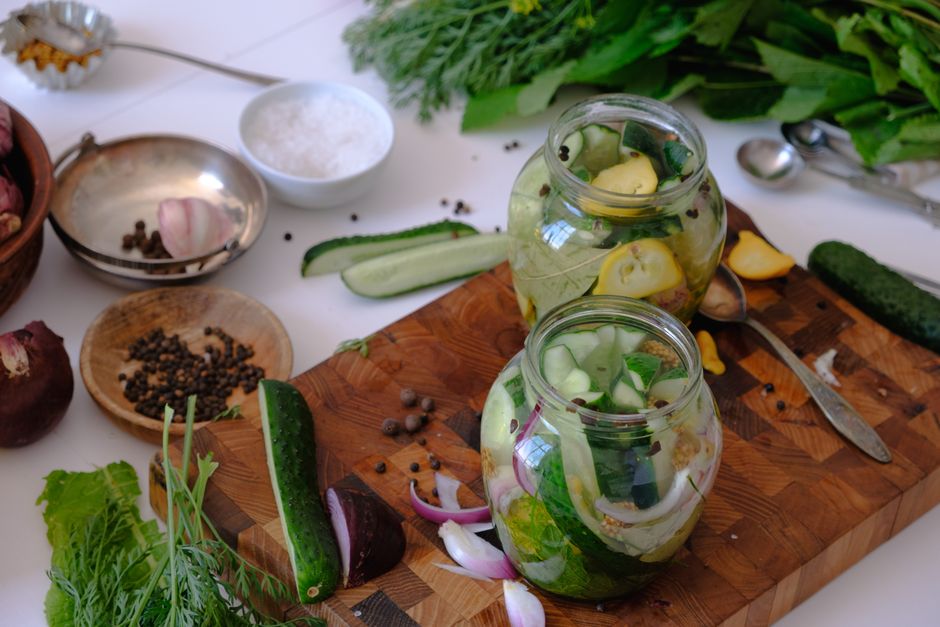
Pickling is the least common method in the US but one of the most useful. The stems hold their crunch and the tartness of the plant works well with a vinegar brine. Pickled purslane is often used as a garnish, a side for grilled meat, or a tangy addition to sandwiches.
The stems are the best part for pickling. They stay firm where the leaves would turn to mush. Trim the roots, wash the stems, and cut them into short lengths. Pack them into a clean jar.
A basic brine is equal parts water and vinegar, with salt and a little sugar. You can use white vinegar, apple cider vinegar, or rice vinegar. Add garlic, peppercorns, mustard seed, dill, or a dried chile if you like. Pour the brine over the stems while it is hot, seal the jar, and let it cool. Refrigerate.
Refrigerator pickles like this are not shelf-stable. They need to stay cold and are typically eaten within a few weeks. If you want shelf-stable pickles, you need to follow tested canning procedures from a reliable source such as the USDA Complete Guide to Home Canning. Do not improvise with canning times or acid levels. Getting those wrong creates a real risk of foodborne illness.
The leaves can be pickled too, but they soften quickly. Some cooks prefer to use them fresh and pickle only the stems.
Does Cooking Change Purslane’s Nutrients?
Heat affects different nutrients in different ways. Water-soluble vitamins like vitamin C are the most vulnerable. They leach into cooking water and break down with heat. Boiling or blanching will reduce vitamin C more than a quick sauté or eating the plant raw.
Purslane is often noted for its omega-3 content, specifically alpha-linolenic acid (ALA). ALA is a plant-based omega-3 also found in flaxseed, chia, and walnuts. It is not the same as the EPA and DHA found in fish, and the body converts ALA to those forms only in small amounts. Purslane is a useful plant source of ALA, but it is not a substitute for fatty fish or a supplement if you are trying to raise EPA and DHA levels.
Purslane also contains vitamin A (as beta-carotene), vitamin C, magnesium, potassium, calcium, and iron. Mineral content is generally less affected by cooking than vitamin C, though oxalates in the plant can limit how much calcium and iron your body actually absorbs from it. This is true of many leafy greens, not just purslane.
If you want to maximize vitamin C, eat it raw. If you want to reduce oxalates, cook it. There is no single method that preserves everything.
Is Purslane Safe To Eat?
Purslane is generally recognized as a safe food for most people. It has been eaten in many cultures for centuries. There are still a few points worth taking seriously.
First, where you harvest matters. Purslane grows in lawns, sidewalk cracks, and agricultural fields. Lawns are often treated with herbicides and fertilizers, and roadsides collect vehicle runoff. Do not eat purslane from a lawn you did not plant and manage yourself, or from anywhere you cannot confirm has not been sprayed.
Second, oxalates. People with a history of calcium oxalate kidney stones, or with kidney disease, should talk to a doctor or dietitian before eating purslane regularly. This is the same advice that applies to spinach, rhubarb, and beet greens.
Third, purslane can be confused with other plants. It has a distinctive look, but if you are foraging rather than buying, confirm identification with a reliable local source before eating anything. Some unrelated plants with similar growth habits are not edible.
Fourth, if you are pregnant or breastfeeding, there are no established clinical guidelines for purslane specifically. Treat it as you would any other leafy green and follow your doctor’s general dietary advice.
Raw, Cooked, Or Pickled: Which Should You Choose?
There is no single best method. The right choice depends on what you want from the plant.
| Method | Texture | Best For | Main Trade-off |
|---|---|---|---|
| Raw | Crisp, juicy | Salads, garnishes, cold dishes | Wilts fast once dressed |
| Cooked | Soft, slightly slippery | Soups, eggs, pasta, side dishes | Vitamin C loss, releases water |
| Pickled | Firm, crunchy (stems) | Garnishes, sandwiches, grilled meats | High sodium, needs refrigeration |
Many people use all three. Fresh leaves go into salads. Stems get pickled. The rest gets cooked into whatever is on the stove. Purslane is flexible that way. It is not a delicate herb that demands special treatment. It is a tough, fast-growing green that has been feeding people for a long time.
If you are new to it, start raw. Taste a leaf. Then try it cooked in a simple sauté. Pickling can come later once you know you like the flavor. If the sourness or the texture does not appeal to you, that is fine. Not every traditional food has to become a staple in your kitchen.
Frequently Asked Questions
Can you eat purslane raw?
Yes, purslane can be eaten raw, and the leaves and tender stems are the most common parts used in salads. Rinse it well, since it grows close to the ground and traps grit in the leaf joints.
Does cooking purslane destroy its nutrients?
Cooking reduces heat-sensitive nutrients like vitamin C, especially when the plant is boiled and the water is discarded. Minerals such as magnesium and potassium are less affected, and cooking also lowers oxalate content.
How do you pickle purslane stems?
Pack clean, trimmed stems into a jar and cover them with a hot brine of equal parts water and vinegar, plus salt. Refrigerate and eat within a few weeks. For shelf-stable pickles, follow tested canning procedures rather than improvising.
Is purslane safe for everyone to eat?
Purslane is a safe food for most people, but it contains oxalates, so anyone with a history of calcium oxalate kidney stones or with kidney disease should check with a doctor first. There are no established clinical guidelines for purslane during pregnancy or breastfeeding.
