
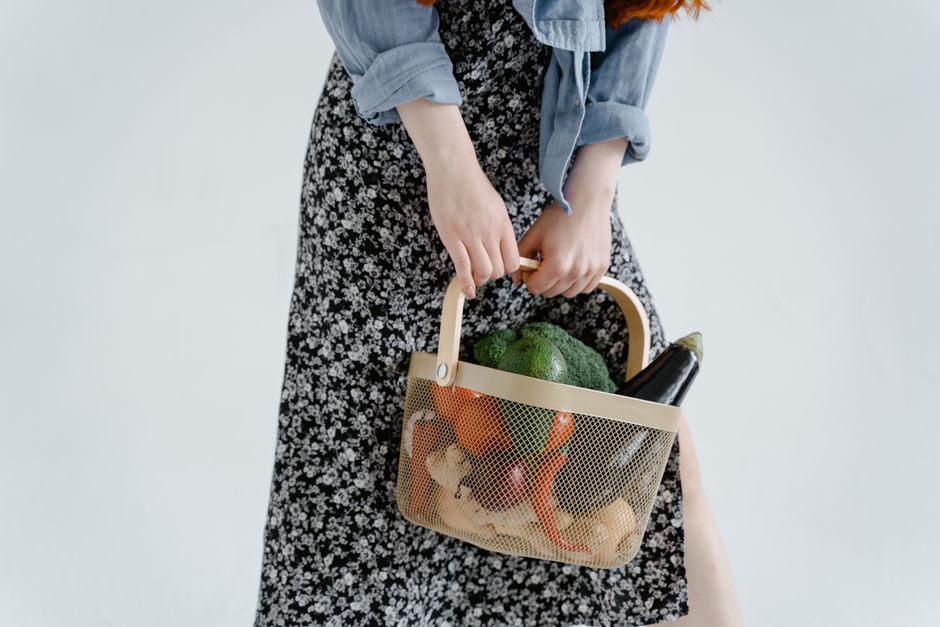
Eating more vegetables is one of the most effective ways to improve your diet, but most people struggle to do it consistently. The simple answer: add vegetables to foods you already eat, prep them so they are ready to grab, and find cooking methods that make them taste good to you. This guide covers practical strategies based on real eating habits, not complicated meal plans.
Why Is It Hard to Eat More Vegetables?
Many people know vegetables are healthy but still do not eat enough. The most common reasons are taste preferences, convenience, and habit. Vegetables require more preparation than packaged snacks. They also tend to be less naturally sweet than processed foods, so your palate may need time to adjust.
Another barrier is cost. Fresh vegetables can be expensive, especially out of season. But frozen and canned options are often just as nutritious and cost less. Time is another issue. Washing, chopping, and cooking take effort. Solutions start with making vegetables easier to eat than the alternative.
How To Eat More Vegetables Without Changing Your Whole Diet
You do not need to become a person who eats salads for every meal. The easiest way is to mix vegetables into foods you already make. Add spinach or kale to smoothies. Stir shredded carrots or zucchini into pasta sauce, meatloaf, or soups. Put lettuce and tomato on sandwiches. These small additions add up without feeling like a big change.
Another approach is to swap one ingredient. Use lettuce wraps instead of bread. Replace half the pasta in a dish with spiralized zucchini. Cauliflower rice can stand in for white rice in many recipes. These swaps reduce calories and increase nutrients while keeping the meal familiar.
Simple Meal Tricks That Add Vegetables
Breakfast. Add vegetables to eggs. Throw in chopped bell peppers, onions, spinach, or mushrooms. You can also blend a handful of spinach into a fruit smoothie — you will not taste it, and it turns green but that is fine.
Lunch. Double the vegetables in your sandwich or wrap. Choose a side of raw carrot sticks, cherry tomatoes, or cucumber slices instead of chips. If you eat soup, choose one with visible vegetables or add a handful of frozen peas or spinach.
Dinner. Make half your plate vegetables. This is the simplest visual rule. Roast a sheet pan of broccoli, carrots, and bell peppers alongside your protein. Vegetables cooked at high heat with oil and salt taste much better than steamed ones.
Snacks. Keep cut vegetables in the fridge at eye level. Pair them with hummus, guacamole, or yogurt dip. Baby carrots, snap peas, and cherry tomatoes need no prep.





How to Make Vegetables Taste Better
Many people dislike vegetables because they only had them boiled or raw. Cooking method matters a lot. Roasting brings out natural sweetness and creates a crispy texture. Toss vegetables in olive oil, salt, and pepper, then roast at 400°F until golden. Broccoli, cauliflower, Brussels sprouts, carrots, and sweet potatoes all work well.
Seasoning also helps. Garlic, onion powder, paprika, chili flakes, cumin, or lemon juice can transform a plain vegetable. Adding a small amount of butter or cheese can make them appealing, and you still get the nutrients. A little bit of fat also helps your body absorb fat-soluble vitamins A, D, E, and K found in many vegetables.
What About Frozen or Canned Vegetables?
Frozen vegetables are just as nutritious as fresh — sometimes more. They are picked at peak ripeness and flash-frozen, so vitamins are preserved. They are also already washed and cut, which cuts down prep time. Keep bags of frozen spinach, peas, broccoli, and mixed vegetables in your freezer to add to any meal.
Canned vegetables are also fine, but look for labels that say “no salt added” or “no added sugar.” Rinse canned beans and vegetables to reduce sodium. Canned tomatoes, pumpkin puree, and corn are good pantry staples. Avoid vegetables packed in heavy syrup or sauces.
How Many Vegetables Do You Actually Need?
The USDA Dietary Guidelines for Americans recommend 2 to 3 cups of vegetables per day for adults. A cup is measured as a cup of raw or cooked vegetables, or two cups of leafy greens. That is less than most people think. One large bell pepper is about a cup. A side salad with 2 cups of greens counts as one cup.
You do not need to hit this target perfectly every day. The goal is to increase your average intake over time. Eating a variety of colors — dark green, red, orange, and starchy — ensures you get different vitamins and fiber types.
Frequently Asked Questions
How can I make vegetables taste good without butter or cheese?
Roast them with olive oil, salt, and spices like garlic powder or smoked paprika. A squeeze of lemon juice after cooking also adds flavor without fat.
Can I count potato chips as a vegetable serving?
No. Potato chips are high in fat and salt and low in fiber and nutrients. Baked or boiled potatoes count as a starchy vegetable, but chips do not.
What is the easiest vegetable to start eating more of?
Carrots are sweet, cheap, and require no prep if you buy baby carrots. Add them raw to lunch or roast them for dinner.
Are vegetable juices a good substitute for whole vegetables?
No. Juicing removes most of the fiber and leaves behind mostly sugar and water. You are better off eating whole vegetables or blending them into smoothies so you keep the fiber.
