
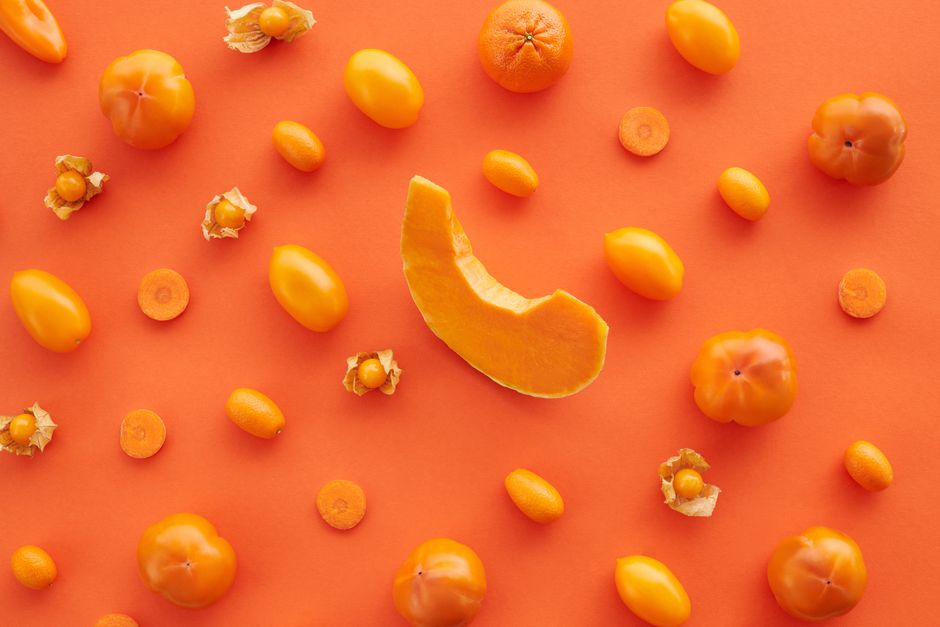
You eat a kumquat whole — skin and all. Unlike oranges or tangerines, the peel is the sweet part and the flesh inside is tart, so biting straight through the fruit balances the two flavors in one bite. Rinse it, skip the peeling, and eat it fresh, sliced, or cooked into both sweet and savory dishes.
How To Eat Kumquat Fresh
Fresh kumquats are eaten whole, usually in one or two bites. The peel is thin, soft, and sweet. The juice sacs inside are sour and slightly bitter. Chewing them together is the point — separating them gives you either a sugary rind or a mouth-puckering center, and neither tastes like much on its own.
Start by rinsing the fruit under running water. Kumquats are often eaten skin-on, so wash off any surface residue. Pat them dry. Then eat them like grapes: pop one in your mouth and chew. Some people bite off the stem end first because it can be slightly tough.
If the whole-fruit texture is too intense, cut the kumquat in half lengthwise. The seeds are small and edible but slightly bitter, so many people flick them out with a knife tip before eating. You can also squeeze the halves slightly to release the juice before eating.
How many kumquats can you eat in a day?
There is no official recommended serving size for kumquats. They are a small fruit, and most people eat a handful at a time. Kumquats are acidic, so eating very large amounts in one sitting may bother people with sensitive stomachs or acid reflux. A small handful is a reasonable portion for most adults.
What Does a Kumquat Taste Like?
A kumquat tastes like an inside-out orange. The peel is sweet and mildly floral, and the flesh is sharply sour with a faint bitterness. The contrast hits in a single bite.
The flavor changes depending on ripeness. Fully ripe kumquats have a sweeter rind and less harsh juice. Underripe ones lean bitter and very sour. Look for firm fruit with bright orange skin and no soft spots.
There are two main types sold in the US. The round Nagami kumquat is the most common — oval-shaped with tart flesh. The Marumi is rounder and slightly sweeter. Some grocery stores also sell related citrus like the limequat, a kumquat-lime cross, which is tarter.
Ways to Prepare and Cook Kumquats
Kumquats work raw, cooked, candied, and preserved. Their firm skin holds up to heat better than most citrus, which is why they show up in chutneys, marmalades, and roasted dishes.
- Sliced raw: Thin rounds go into salads, grain bowls, or on top of yogurt.
- In drinks: Halved kumquats can be muddled into cocktails or added to sparkling water and tea.
- Candied: Simmered in sugar syrup, then dried or rolled in sugar. The peel becomes chewy and sweet.
- Preserved: Packed in salt or sugar, similar to preserved lemons.
- Cooked: Roasted with meat, stirred into sauces, or made into jam and marmalade.
- Zested: The peel can be grated like orange zest for baking.
When cooking kumquats, slice them and remove the seeds first. Seeds add bitterness to cooked dishes. The peel softens with heat but keeps its structure, so kumquats hold their shape in a simmered sauce better than most citrus would.
One non-obvious point: kumquats are eaten peel-on, which means the peel is not a garnish here — it is a major part of the fruit’s flavor and nutrition. That is unusual among citrus and worth remembering when you cook with them.
Kumquat Nutrition: What the Fruit Actually Provides
Kumquats are a good source of vitamin C and fiber, mostly because you eat the peel. The peel carries much of the fiber and some of the plant compounds found in citrus.
According to USDA data, 100 grams of raw kumquat provides roughly 71 calories, about 43 mg of vitamin C, and around 6.5 grams of fiber. That fiber figure is higher than many fruits of similar size, largely thanks to the edible peel. Kumquats also supply small amounts of vitamin A, calcium, and potassium.
For context, an adult’s daily vitamin C target is around 75 mg for women and 90 mg for men, per general dietary guidance. A handful of kumquats contributes a meaningful share of that.
| Nutrient (per 100 g raw kumquat) | Amount |
|---|---|
| Calories | ~71 |
| Vitamin C | ~43 mg |
| Fiber | ~6.5 g |
| Carbohydrates | ~16 g |
| Potassium | ~186 mg |
These figures come from standard USDA nutritional data for raw kumquats. Actual values vary slightly by variety and ripeness.
Who Should Be Careful With Kumquats?
Kumquats are safe for most people, but a few groups should take note. The fruit is acidic, and the peel contains compounds that can interact with certain medications.
People with acid reflux or sensitive stomachs may find kumquats irritating, especially in large amounts. The high acidity can worsen heartburn in some people.
Kumquats, like grapefruit and some other citrus, contain compounds called furanocoumarins in small amounts. These can affect how the body breaks down certain drugs, including some statins and blood pressure medications. The amounts in kumquats are generally considered lower than in grapefruit, but if you take a medication with a known grapefruit warning, ask your pharmacist before eating kumquats regularly. This is a reasonable precaution, not a confirmed interaction at typical amounts — the evidence specific to kumquats is limited.
Kumquats are also a choking risk for young children because of their size and firm skin. For toddlers, cut them into small pieces. Whole small fruits are a known choking hazard for kids under four.
How to Choose and Store Kumquats
Pick kumquats that feel firm and heavy for their size, with bright orange skin and no soft or wrinkled spots. Wrinkled skin means the fruit is drying out. Green patches mean underripe and more sour.
Store fresh kumquats in the refrigerator in a loosely closed bag or container. They keep for about one to two weeks that way. At room temperature they last only a few days. Wash them just before eating, not before storing, since moisture speeds spoilage.
Kumquats can also be frozen whole or sliced for later use in cooking. Freezing softens the texture, so frozen kumquats work better cooked than raw.
Are Kumquat Seeds and Peel Safe to Eat?
Both the peel and the seeds are edible. The peel is the sweet part and is meant to be eaten. The seeds are safe but slightly bitter, and many people remove them for that reason.
There is no safety concern with swallowing kumquat seeds in normal amounts. The main reason to remove them is taste, especially in cooked dishes where the bitterness concentrates.
The peel is where much of the fiber and vitamin C sit, so eating it is not just a flavor choice — it is where a good share of the fruit’s nutrition comes from.
Frequently Asked Questions
Do you peel a kumquat before eating it?
No. Kumquats are eaten whole with the peel on, because the peel is sweet and the inside is sour. Peeling removes the best-tasting part.
Can you eat kumquat seeds?
Yes, the seeds are edible and safe to swallow. Many people remove them anyway because they taste slightly bitter, especially in cooked dishes.
How many kumquats should you eat a day?
There is no official recommended amount. A small handful is a reasonable portion for most adults, and eating very large amounts may bother people with acid reflux.
Are kumquats good for you?
Kumquats provide vitamin C and fiber, largely from the edible peel. They are a healthy fruit choice, but no single fruit is a treatment for any condition.
