
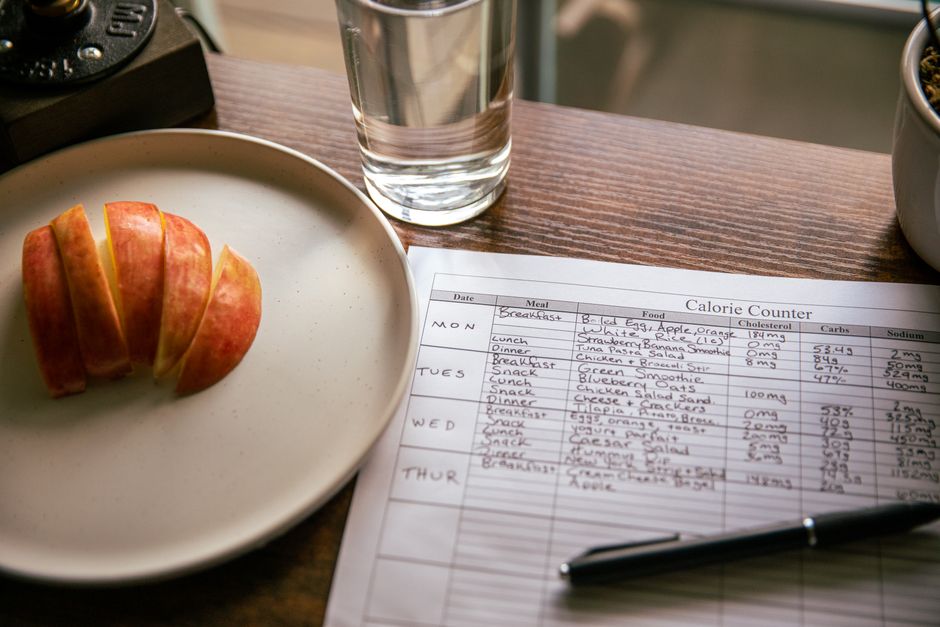
Hunger on a calorie deficit is not a character flaw or a sign you are doing it wrong. It is your body responding to real signals — less food volume, fewer calories, and changes in the hormones that regulate appetite. The way to stay full is to change what those calories are made of, not just how many there are. Protein, fiber, water-rich foods, and slower eating all increase fullness per calorie. Foods high in fat and refined carbohydrates do the opposite.
Most people who feel starving on a diet are eating the right number of calories but the wrong shape of meals. A 400-calorie pastry and a 400-calorie plate of chicken, beans, and vegetables send very different signals to your brain and gut. One leaves you hunting the pantry an hour later. The other does not.
Why Does A Calorie Deficit Make You Hungry?
Hunger during a calorie deficit is a predictable physiological response, not a personal failing. When you eat less, your body does several things at once. Stomach stretch receptors fire less often. The hormone ghrelin, which rises before meals and drives appetite, tends to stay elevated. Leptin, a hormone made by fat cells that signals satiety, falls as body fat drops. This is normal biology, and it explains why hunger often increases the longer a diet goes on.
There is also a less obvious factor: food reward. Highly palatable foods — those combining fat, sugar, and salt — stimulate appetite in ways that plain foods do not. Research on ultra-processed foods suggests they can drive higher calorie intake than minimally processed foods matched for calories and macronutrients, though the reasons are still being studied. The practical point is that the same calorie budget can feel completely different depending on how it is spent.
Protein and fiber matter here because they affect satiety through distinct mechanisms. Protein increases feelings of fullness and appears to reduce ghrelin more than carbohydrates or fat do. Fiber adds bulk, slows digestion, and in the case of soluble fiber forms a gel that delays stomach emptying. Neither is a trick. Both are well-documented effects on appetite signaling.
How To Eat In A Calorie Deficit And Stay Full
The core strategy is to build meals around protein, fiber, and water content, then let fat and refined starch fill the remaining space. This is not a diet philosophy. It is a practical way to get more satiety from the same number of calories.
Start with protein at every meal. Protein has the strongest effect on fullness per calorie of the three macronutrients, and higher-protein diets are consistently associated with greater satiety in controlled studies. Good sources include chicken, fish, eggs, Greek yogurt, cottage cheese, beans, lentils, and tofu. Aim to anchor each meal with one of these rather than treating protein as a side.
Then add volume. Vegetables, fruits, and broth-based soups are high in water and fiber, which means large portions for relatively few calories. A bowl of vegetable soup before a meal has been studied as a way to reduce total calories eaten at that meal, and the effect appears to come from volume and water content rather than any special ingredient. The same principle applies to starting meals with a salad or a piece of fruit.
Do not skip fiber. Most adults fall short of recommended fiber intake, and low fiber is one of the most common reasons people feel unsatisfied on a deficit. Beans, lentils, oats, whole grains, vegetables, and fruit all contribute. Increase fiber gradually and drink enough water, because a sudden jump can cause bloating and discomfort.
Eat slowly and without screens. It takes time for satiety signals to reach the brain, and eating quickly tends to outrun them. Some studies suggest slower eating is associated with lower calorie intake and greater fullness, though the effect varies between people. Putting the fork down between bites and eating without a screen are simple ways to slow down.
Drink water with meals. Water adds volume to the stomach and can modestly increase fullness, particularly when consumed with food rather than on an empty stomach. It is not a substitute for eating well, but it is a low-cost addition.
Which Foods Keep You Fullest Per Calorie?
Some foods deliver far more fullness for the calories they contain than others. The pattern is consistent: high protein, high fiber, high water content, and low fat and refined starch.
| Food type | Why it helps | Examples |
|---|---|---|
| Lean protein | Strongest satiety effect per calorie; reduces ghrelin | Chicken breast, fish, egg whites, Greek yogurt, cottage cheese |
| Legumes | Combine protein and fiber; slow digestion | Lentils, black beans, chickpeas, split peas |
| High-water vegetables | Large volume for few calories; stretch stomach | Cucumber, zucchini, lettuce, tomatoes, broccoli, cabbage |
| Whole fruit | Fiber plus water; slower to eat than juice | Apples, oranges, berries, melon |
| Whole grains | Fiber and slower digestion than refined grains | Oats, barley, quinoa, brown rice |
| Broth-based soups | Water volume plus fiber; studied for meal-size reduction | Vegetable soup, minestrone, lentil soup |
Foods that tend to work against fullness per calorie include pastries, chips, sugary drinks, and foods high in fat and refined starch. This does not mean they are forbidden. It means they use up calorie budget without doing much for satiety, which makes the rest of the day harder.
Does Protein Really Keep You Fuller?
Protein has the most consistent evidence for increasing fullness among the three macronutrients. Controlled studies comparing meals matched for calories but differing in protein content generally find higher protein meals produce greater satiety and lower subsequent calorie intake. The effect is not enormous, but it is reliable.
Protein appears to work through several routes. It slows stomach emptying, raises satiety hormones such as GLP-1 and PYY, and lowers ghrelin. It also has a higher thermic effect — the body burns more calories digesting protein than it does digesting fat or carbohydrate — though this effect is modest and should not be oversold.
How much protein is enough is debated. Some researchers suggest aiming for a protein source at each meal rather than counting grams, which is simpler and still effective for most people. Higher-protein diets are generally considered safe for healthy adults, but anyone with kidney disease should discuss protein intake with a clinician before increasing it.
What Makes Hunger Worse On A Deficit?
Several common habits make hunger harder than it needs to be. The most common is eating too little protein and fiber at breakfast, which sets up a day of chasing fullness.
Another is drinking calories. Sugary drinks and many coffee drinks deliver calories without much satiety, because liquid calories pass through the stomach quickly and do not trigger the same fullness signals as solid food. Swapping them for water, sparkling water, or unsweetened tea is one of the simplest changes available.
Eating too fast is a third. Satiety signals take time to register, and fast eaters tend to eat more before those signals arrive. A fourth is going too low on calories too quickly. Aggressive deficits tend to produce stronger hunger and poorer adherence than moderate ones. The best deficit is the one you can sustain, not the largest one you can tolerate for a week.
Sleep matters more than most people expect. Short sleep is associated with higher ghrelin and lower leptin, which means more hunger and less fullness the next day. If you are doing everything right and still starving, sleep is worth checking before changing your diet again.
Do Small Meals Or Intermittent Fasting Help With Fullness?
There is no single eating pattern that works best for fullness. Some people feel fuller eating three larger meals. Others do better with smaller, more frequent meals. Intermittent fasting works well for some and poorly for others, largely because a shorter eating window can mean larger meals that feel more satisfying — or it can mean intense hunger during the fasting period.
The evidence comparing meal frequency and fasting patterns for appetite control is mixed. What matters more than the pattern is what the meals are made of. A person eating three meals built around protein, fiber, and vegetables will generally feel fuller than a person eating six small meals of refined carbohydrates, and the reverse is also possible. The pattern should fit your life and your hunger, not a rule.
One clarification worth making: feeling hungry sometimes is not a sign of failure. Mild hunger before meals is normal and expected on a deficit. The goal is not zero hunger. It is hunger that is manageable and does not derail you.
Frequently Asked Questions
What should I eat to stay full in a calorie deficit?
Build meals around lean protein, fiber-rich foods, and high-water vegetables. These give the most fullness per calorie and help regulate appetite hormones.
Why am I still hungry after eating in a calorie deficit?
Common causes include too little protein and fiber, eating too fast, drinking calories, and short sleep. Mild hunger before meals is normal, but constant hunger usually means the meals need restructuring.
Does drinking water help you feel full?
Water can modestly increase fullness, especially when consumed with a meal rather than on an empty stomach. It supports satiety but does not replace eating enough protein and fiber.
Is it normal to feel hungry on a calorie deficit?
Yes, some hunger is expected because appetite hormones shift when you eat less. The goal is manageable hunger, not zero hunger.
