
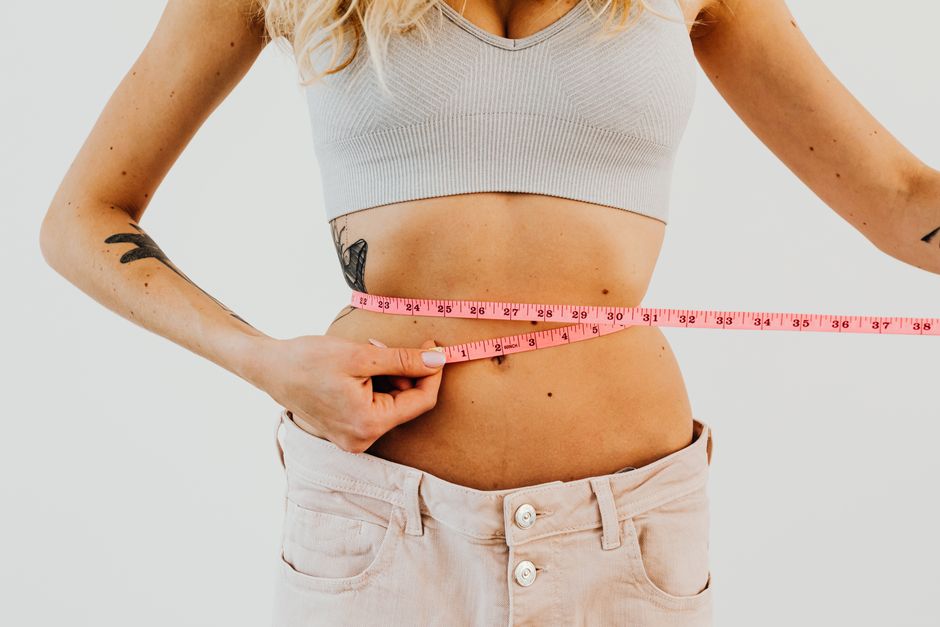
Eating healthy for weight loss isn’t about following a strict diet or cutting out entire food groups. It comes down to building a consistent pattern of eating that puts your body in a slight calorie deficit while still giving it the nutrients it needs to function. You lose weight when you consistently burn more calories than you consume, and the most sustainable way to create that deficit is by focusing on whole, minimally processed foods that keep you full and energized.
What Does Eating Healthy for Weight Loss Actually Mean?
Many people assume healthy eating is about eating less food. In reality, it is about eating different food. A plate built around vegetables, lean proteins, whole grains, and healthy fats will naturally be lower in calories than a plate built around refined carbohydrates and processed snacks, even if the volume of food is similar.
The reason this works is tied to how your body processes different foods. Protein and fiber take more energy to digest and send stronger signals to your brain that you are full. Refined carbohydrates like white bread and sugary drinks spike your blood sugar quickly, then drop it just as fast, which often triggers hunger within a couple of hours. Swapping those refined options for whole foods helps you feel satisfied on fewer calories without constantly fighting cravings.
Why Protein and Fiber Are the Cornerstones of Weight Loss
If you only remember two things about eating for weight loss, make them protein and fiber. These two nutrients do the heavy lifting when it comes to managing appetite and maintaining muscle mass while you lose fat.
Protein is the most satiating macronutrient. Studies consistently show that meals higher in protein reduce hunger more effectively than meals higher in carbohydrates or fat. Protein also helps preserve lean muscle tissue during a calorie deficit. That matters because muscle burns more calories at rest than fat does. Losing muscle along with fat slows your metabolism, making it harder to keep the weight off long term.
Fiber, found only in plant foods, adds bulk to your meals without adding digestible calories. It slows digestion, stabilizes blood sugar, and feeds the beneficial bacteria in your gut. Some research suggests that gut bacteria influence appetite regulation and how many calories you extract from food. Getting 25 to 30 grams of fiber per day from vegetables, fruits, legumes, and whole grains is a reasonable target for most adults, though your exact needs depend on your age and sex.
Practical approach: build every meal around a palm-sized portion of protein, fill half your plate with vegetables, and choose a fist-sized portion of whole grains or starchy vegetables. This simple template automatically shifts your diet toward the foods that support weight loss.
What Does a Healthy Plate Look Like?
Visualizing your plate is one of the most practical tools for changing how you eat. You do not need to weigh every gram of food to see meaningful results.
The USDA’s MyPlate model is a widely recognized starting point. It recommends filling half your plate with fruits and vegetables, a quarter with lean protein, and a quarter with grains, ideally whole grains. This framework is not a magic formula, but it creates a balanced meal that is hard to get wrong.
For weight loss specifically, you may need to adjust the proportions slightly. Increasing the protein portion and reducing the grain portion can help with satiety. A meal that is 50 percent vegetables, 30 percent protein, and 20 percent whole grains or starchy vegetables is a reasonable template for many people trying to lose weight.
The key is consistency. Eating this way for two meals a day most days of the week will move the needle more than eating a perfect diet for three days and then reverting to old habits.



How to Eat Healthy for Weight Loss Without Feeling Deprived
Deprivation is the enemy of long-term weight loss. If your eating plan makes you miserable, you will not stick with it. The goal is to build a way of eating that you can maintain for years, not weeks.
One effective strategy is the 80/20 approach. This means making nutritious choices about 80 percent of the time and leaving room for flexibility the other 20 percent. This is not a clinical recommendation, but it is a practical framework that many people find sustainable. It acknowledges that a birthday cake or a restaurant meal is not going to undo your progress, and that insisting on perfection often leads to giving up entirely.
Another key principle is to eat foods you actually enjoy. If you hate broccoli, do not force yourself to eat broccoli. Find vegetables you like and eat those instead. The best diet for weight loss is the one you can maintain, and you will not maintain a diet made up of foods you dislike.
Pay attention to how foods make you feel. Notice that a breakfast of eggs and fruit keeps you satisfied until lunch, while a breakfast of cereal and juice leaves you hungry by mid-morning. These personal observations are more useful for long-term behavior change than any generic meal plan.
What About Calories and Portion Control?
Calories still matter. Even the healthiest foods can cause weight gain if you eat them in excess. Nuts, avocados, olive oil, and whole grains are all nutrient-dense, but they are also calorie-dense. Portion awareness is essential even when you are eating high-quality foods.
You do not need to count calories to lose weight, but understanding rough portion sizes helps. A serving of nuts is about a small handful, roughly one ounce. A serving of cooked grains is about half a cup. A serving of protein is about the size of your palm. These visual cues are accurate enough for most people without turning meals into a math problem.
If you find that you are eating healthy foods but not losing weight, portion sizes are the first place to look. Many people underestimate how much they eat by 30 to 50 percent, especially when it comes to calorie-dense foods like oils, nuts, and grains. Tracking your food intake for a few days with an app can reveal where the extra calories are hiding.
Liquid calories deserve special attention. Sugary drinks, fruit juices, and even some smoothies deliver a significant number of calories without making you feel full. The research is consistent that the brain does not register liquid calories the same way it registers solid food. Swapping sugary drinks for water, sparkling water, or unsweetened tea is one of the simplest changes you can make.
Common Mistakes That Sabotage Healthy Eating
Several well-intentioned habits can quietly undermine weight loss efforts. Recognizing these patterns is often the difference between progress and frustration.
Eating too little is one of the most common mistakes. Severely restricting calories triggers hormonal changes that increase hunger and slow metabolism. This is why very low-calorie diets often produce rapid initial weight loss followed by a plateau and rebound weight gain. A sustainable calorie deficit is typically modest, around 300 to 500 calories below your maintenance level.
Relying on packaged “healthy” foods is another trap. Granola bars, protein bars, and low-fat snacks often contain added sugar and refined carbohydrates that blunt their nutritional value. A food labeled “organic” or “natural” is not automatically good for weight loss. Reading ingredient lists and nutrition labels matters more than trusting front-of-package marketing claims.
Skipping meals is also counterproductive for many people. While intermittent fasting works for some, skipping meals often leads to overeating later in the day. If you are not hungry in the morning, eating breakfast is not mandatory. But if skipping breakfast leaves you ravenous by noon, you are better off eating something balanced in the morning.
Not eating enough protein is common, especially for women. Many people eat the bulk of their protein at dinner, leaving breakfast and lunch low in protein. Spreading protein intake across all meals supports muscle maintenance and appetite control more effectively than concentrating it in one meal.
How to Build Habits That Last
Weight loss is not an event. It is a series of small decisions repeated over time. Building habits that support healthy eating is more valuable than any specific diet plan.
Start with one change at a time. Adding a serving of vegetables to lunch or swapping your afternoon soda for water is a small shift that is easy to maintain. Once that change feels automatic, add another. This gradual approach is more sustainable than overhauling your entire diet overnight.
Meal preparation helps many people stay on track. Setting aside a couple of hours on the weekend to chop vegetables, cook grains, and portion out proteins makes healthy choices the easy choice during a busy week. When a healthy meal is ready in five minutes, you are far less likely to order takeout.
Your environment shapes your eating more than willpower does. If your kitchen is stocked with chips and cookies, you will eat chips and cookies. Keeping trigger foods out of the house and keeping visible healthy snacks like fruit, yogurt, and cut vegetables readily available makes the default choice the healthy choice.
Frequently Asked Questions
How fast can I expect to lose weight eating healthy?
A safe and sustainable rate is about 1 to 2 pounds per week for most people. Faster weight loss is possible but often involves muscle loss and is harder to maintain long term.
Do I need to cut out carbs to lose weight?
No. Whole grains, fruits, and vegetables provide fiber and nutrients that support weight loss. What matters more is replacing refined carbohydrates with whole food sources and watching portion sizes.
Can I still eat snacks when trying to lose weight?
Yes, as long as snacks fit within your overall calorie needs. Snacks combining protein and fiber, like an apple with peanut butter or Greek yogurt with berries, are more satisfying than processed snack foods.
Is it better to eat several small meals or three larger meals?
There is no strong evidence that meal frequency affects weight loss. Choose the pattern that helps you manage hunger and fits your lifestyle, whether that is three meals a day or smaller meals spread throughout the day.
