
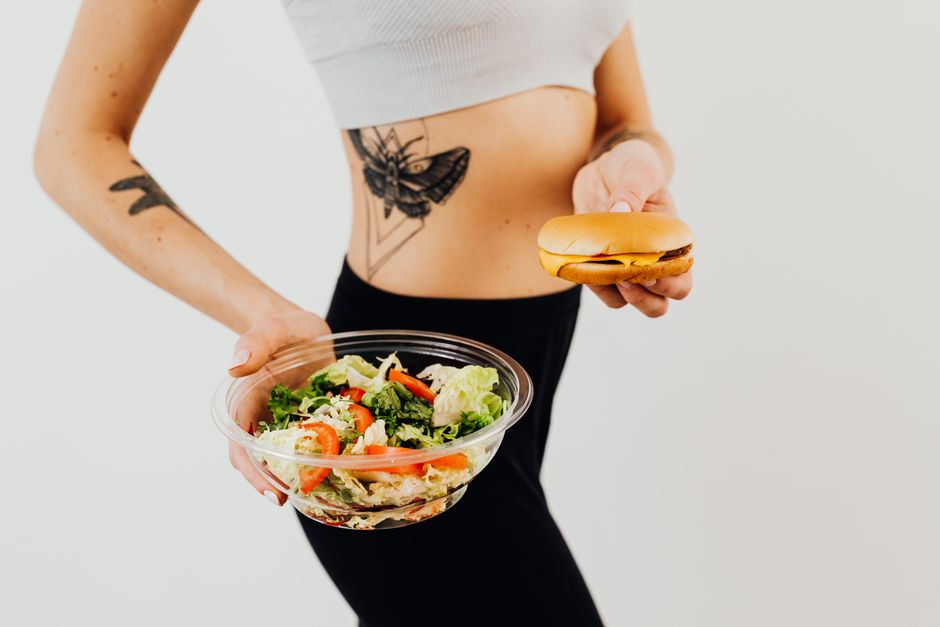
You can eat at a fast food restaurant without wrecking your day. Order grilled instead of fried, skip the sugary drink, hold the creamy sauces, and keep the meal to one main item plus a side or a drink — not both. Those four choices do most of the work. The rest is knowing which menu items quietly carry the most calories, sodium, and added sugar, and which ones are closer to ordinary food.
This is not about finding a “healthy” fast food meal in some absolute sense. Most fast food is built around white bread, processed meat, cheese, and oil. The goal is a meal that fits into a normal eating pattern without a day’s worth of sodium or a dessert’s worth of sugar hiding inside it.
What should you order at a fast food restaurant?
Start with the protein and the cooking method. A grilled chicken sandwich, a plain hamburger, or a bean-based item will almost always be a better base than anything breaded and fried. Frying adds fat and calories to the outside of the food, and the breading soaks up oil. Grilling does not.
Build the meal around one substantial item. A burger or a sandwich plus a side salad and water is a reasonable lunch. A burger plus fries plus a sugary drink is where the numbers climb fast — that combination can easily pass 1,000 calories at many chains, and the drink contributes nothing in the way of protein, fiber, or nutrients.
Watch the sauces and dressings. Mayonnaise, ranch, and “special sauce” are mostly fat. A packet of dressing can carry more calories than the salad it goes on. Ask for it on the side, or use half. Mustard, hot sauce, vinegar, and salsa add flavor with very little fat or sugar.
Choose water, unsweetened tea, black coffee, or a diet drink over regular soda and sweet tea. A large regular soda can contain well over 50 grams of added sugar — more than the American Heart Association’s recommended daily limit for adults, which is about 25 grams for women and 36 grams for men. That single drink can use up the whole day’s allowance.
How To Eat Healthy Fast Food What To Order And Skip
The simplest rule is to skip anything described as crispy, breaded, double, loaded, or supreme. Those words usually signal extra oil, extra cheese, extra meat, or all three. Order the plain version and add your own condiments.
Here is a practical order-and-skip list that applies across most chains:
- Order: grilled chicken sandwiches, plain single burgers, baked potatoes without heavy toppings, side salads with dressing on the side, chili, bean burritos, fruit or yogurt where available, and water or unsweetened drinks.
- Skip: fried chicken sandwiches, double and triple burgers, onion rings, large fries, milkshakes, sweet tea, and anything with “loaded” in the name.
- Order with caution: salads. Some fast food salads carry more calories and sodium than a burger once dressing, cheese, and crispy toppings are added. Check before you assume the salad is the lighter choice.
- Skip the combo upgrade: the fries-and-drink bundle is usually where the extra calories and sugar come from, not the sandwich itself.
One clarification worth knowing: a fast food salad is not automatically healthier than a burger. Some chains load salads with fried chicken strips, cheese, croutons, and a creamy dressing, and the total can land well above a plain hamburger. The salad is only the lighter choice if you keep the toppings simple.
Is grilled chicken always better than fried?
Usually, yes — but not always. A grilled chicken sandwich is typically lower in fat and calories than a fried one at the same restaurant. That part is consistent across most menus. The catch is that grilled items are often still high in sodium, and some are served on white buns with mayonnaise-based sauce.
The fried version adds breading and oil on top of everything else. If you are choosing between the two at the same chain, grilled is the more sensible default. Just ask for no mayo or sauce on the side if you want to keep the numbers down.
Breaded chicken nuggets and tenders are a different story. They are fried, processed, and usually high in sodium. They are fine occasionally, but they are not a lighter option just because the portion looks small.
What about fries and sides?
Fries are the single biggest calorie source in most fast food meals, and portion size drives the number. A small order is very different from a large. If you want fries, order the smallest size and treat it as the treat it is, rather than a default part of every meal.
Better sides, where available, include side salads, fruit cups, apple slices, yogurt, and chili. Baked potatoes can work if you keep the toppings simple — skip the cheese, sour cream, and bacon if you are watching fat and sodium. Not every chain offers these, so the realistic move is to pick the least processed side on the menu.
Onion rings and mozzarella sticks are fried and usually higher in calories than fries per item. They are not a lighter swap.
How do you handle drinks and dessert?
Drinks are where a lot of people accidentally add hundreds of calories without feeling full. Liquid calories do not satisfy hunger the way food does, so a large soda or milkshake adds energy without changing how full you feel. Water, unsweetened iced tea, black coffee, or a diet drink avoid that problem.
Dessert is optional, and that is the honest framing. A milkshake can contain as many calories as a full meal. If you want something sweet, a small soft-serve cone or a piece of fruit is a smaller addition than a shake or a large cookie. There is no need to make dessert a daily habit at a fast food restaurant.
How often can you eat fast food and still eat well?
There is no single number that applies to everyone. What matters is the overall pattern of your diet across days and weeks, not one meal. A fast food lunch once in a while fits into a healthy pattern. Fast food several times a week makes it much harder to keep calories, sodium, and added sugar in a reasonable range.
If fast food is a regular part of your week — because of work, travel, or budget — the order-and-skip rules above matter more. Consistently choosing grilled over fried, water over soda, and one main item over a combo makes a real difference over time.
Be skeptical of any claim that a specific fast food meal is “healthy” in an absolute sense. Most menu items are high in sodium, and many are high in refined carbohydrates. The realistic goal is a meal that is reasonable, not perfect.
What should you watch beyond calories?
Calories get the attention, but sodium and added sugar matter just as much for many people. Fast food is one of the largest sources of sodium in the American diet. A single sandwich or combo meal can approach or exceed 2,300 milligrams — the daily sodium limit in the federal Dietary Guidelines for Americans. People with high blood pressure, kidney disease, or heart failure need to be especially careful here, and should ask their clinician for personal guidance.
Added sugar is the other hidden number. It shows up in sweet tea, flavored coffee drinks, sauces, and even some breads. Reading the nutrition information before you order — most chains post it online or in the store — is the most reliable way to know what you are getting. Menu descriptions are marketing; the nutrition panel is data.
Fiber and protein are worth prioritizing because they help you feel full. Bean-based items, chili, and grilled chicken provide protein. Vegetables and whole grains add fiber, though fast food menus offer limited amounts of both. A meal with some protein and fiber is more satisfying than one built entirely on white bread, sugar, and fat.
Frequently Asked Questions
What is the healthiest thing to order at a fast food restaurant?
A grilled chicken sandwich or a plain single burger with water and a side salad is a reasonable choice at most chains. Keep sauces and dressings on the side to control fat and sodium.
Are fast food salads actually healthy?
Not always. Some salads carry more calories and sodium than a burger once fried toppings, cheese, and creamy dressing are added, so check the nutrition information first.
Is it okay to eat fast food once a week?
For most people, fast food occasionally fits within a healthy overall diet. The key is the pattern across weeks, not any single meal.
What should I drink at a fast food restaurant?
Water, unsweetened iced tea, black coffee, or a diet drink are the lower-sugar choices. Regular soda and sweet tea can contain more added sugar than the recommended daily limit for adults in one serving.
