
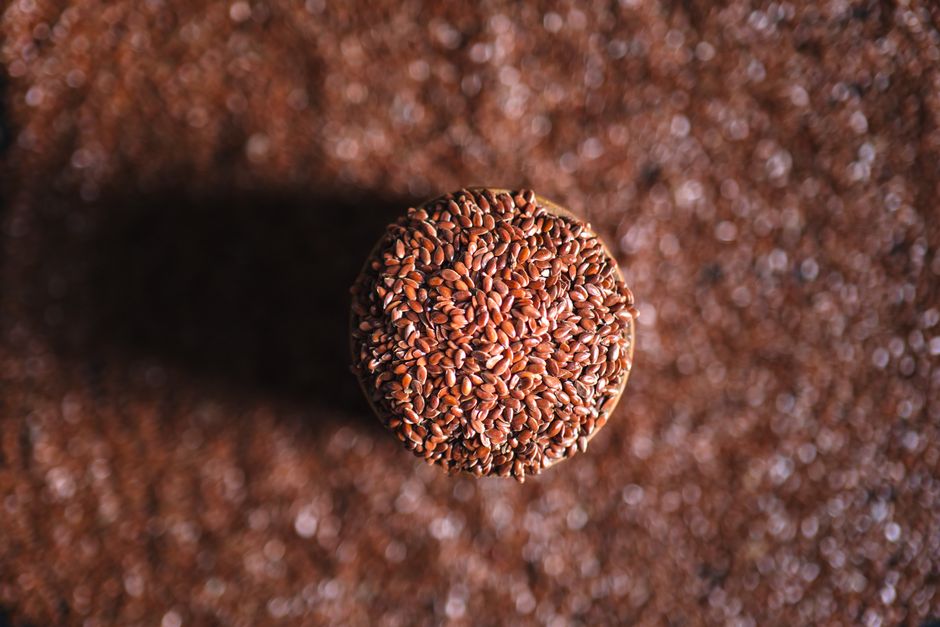
Flax seeds are one of the few foods that deliver three useful things at once: alpha-linolenic acid (an omega-3 fat), soluble fiber, and lignans. How you eat them matters. Whole seeds often pass through your digestive tract intact, so your body absorbs little of what they contain. Ground flax seeds are far easier for your body to use, and they are the form most nutrition research is based on. You can stir them into yogurt, oatmeal, smoothies, or baked goods. A common serving is one to two tablespoons of ground seed per day.
What Happens When You Eat Flax Seeds Whole vs Ground?
Your teeth do not break flax seeds down, and neither does your stomach. The seed coat is tough. When you swallow whole flax seeds, a large share can travel through your digestive system and leave in your stool with the nutrients still locked inside.
Grinding cracks that coat. Once the seed is broken open, your digestive enzymes and gut bacteria can reach the fat, fiber, and lignans inside. This is why most studies on flax and health use ground flax, not whole.
There is a trade-off. Grinding exposes the oils to air, and those oils can go rancid over time. Whole seeds stay fresh far longer because the shell protects them. So the practical answer is simple: buy whole seeds for storage, then grind what you plan to use within a few days.
One point that surprises people: you do not need a special grinder. A basic coffee grinder or a high-powered blender works fine. Grind in short bursts so you do not heat the seeds too much.
How To Eat Flax Seeds Ground Whole And More?
The easiest approach is to treat ground flax as a mix-in, not a food you eat by the spoonful on its own. It has a mild, slightly nutty taste that disappears into most dishes.
- Stir a spoonful into oatmeal, yogurt, or cottage cheese.
- Blend it into smoothies or protein shakes.
- Mix it into pancake, muffin, or bread batter.
- Sprinkle it over salad or into soup just before eating.
- Use it as a binder in veggie burgers or meatballs.
Whole seeds have their own uses. They add crunch to breads and granola, and some people like them sprinkled on top of dishes. Just know that if your goal is the omega-3 fat or lignans, whole seeds give you less of both.
Flax also comes as oil and as a ground meal sold in bags. Flax oil gives you the omega-3 fat but none of the fiber or lignans, since those stay in the seed. Pre-ground flax meal is convenient, but check the date and smell it before use. Fresh ground flax has a mild scent. Rancid flax smells like old paint or crayons, and you should throw it out.
How Much Ground Flax Should You Eat Per Day?
There is no single official daily target for flax seeds in US dietary guidance. What exists instead is general nutrition advice to include seeds as part of a varied diet, and a large body of research that used specific amounts.
Many studies on flax and heart health or digestion have used roughly one to two tablespoons of ground flax per day. That range is a reasonable, commonly cited amount, but it is not a formal government recommendation.
Start smaller if you are new to flax. A sudden jump in fiber can cause bloating, gas, or cramping. Try a teaspoon for a few days, then build up. Drink enough water, because soluble fiber needs fluid to move through your system smoothly.
There is no established safe upper limit specific to flax for healthy adults. Very high intakes are not well studied, and more is not better here.




What Are The Main Health Benefits of Flax Seeds?
The strongest evidence for flax centers on fiber, omega-3 fat, and lignans. Each works in a different way, and the research is not equally strong for every claim.
Soluble fiber and cholesterol. Flax is rich in soluble fiber, which can help lower LDL cholesterol. This is one of the better-supported effects, and it fits with what is known about soluble fiber from other sources. The effect is modest, not dramatic.
Omega-3 fat. Flax is a plant source of alpha-linolenic acid, or ALA. Your body converts ALA into the longer-chain omega-3s found in fish, but that conversion is limited. So flax is a useful plant omega-3 source, though it is not a direct substitute for fatty fish.
Lignans. Flax is unusually high in lignans, plant compounds with antioxidant activity. Research on lignans and long-term health outcomes is still developing, and results are mixed. It is too early to say lignans prevent any specific disease.
Digestion. The fiber in flax can help with regularity for some people. It can also cause gas if you add it too fast.
Claims that flax seeds treat or prevent cancer, balance hormones, or replace medication are not supported. Some early research looked at flax and certain cancers, but the findings are not consistent enough to make health promises.
Does Ground Flax Need To Be Refrigerated?
Yes. Ground flax should be stored in the refrigerator or freezer in an airtight container. The oils are fragile, and heat, light, and air speed up spoilage.
Whole seeds can be kept in a cool, dark place for longer, though the fridge still helps. Once ground, aim to use it within a few weeks if refrigerated, or longer if frozen. The smell test is your best guide.
Buying whole and grinding small batches is the most reliable way to keep flax fresh. This is one case where a little effort pays off in taste and quality.
Who Should Be Careful With Flax Seeds?
Flax is a food for most people, but a few groups should take care.
Because flax is high in fiber, anyone with a digestive condition that requires a low-fiber diet should talk to a clinician first. The same goes for people with a bowel narrowing or a history of blockages.
Flax may affect how some medications are absorbed if eaten at the same time. A common approach is to take medications at a different time than flax, but check with a pharmacist or doctor about your specific drugs.
For pregnancy and breastfeeding, there is no established clinical guidance on a specific safe amount of flax. Ground flax in normal food amounts is generally treated as a food, but concentrated flax supplements are a different question, and the evidence there is limited. Ask a clinician before using flax supplements during pregnancy or while breastfeeding.
For young children, keep servings small and introduce slowly, and check with a pediatrician if you are unsure. No clinical guidelines set a specific flax amount for infants or young children.
One safety note worth knowing: flax should always be eaten with plenty of water. Eating dry ground flax by the spoonful without fluid is not a good idea.
How To Choose And Store Flax Seeds
Buy whole seeds when you can. They last longer and give you control over freshness. Look for seeds that pour freely and do not clump.
Golden and brown flax are nutritionally similar. The color difference is mostly cosmetic, so pick whichever you prefer.
If you buy pre-ground flax meal, choose a package that is sealed and dated, and refrigerate it once opened. Avoid bulk bins for ground flax, since you cannot tell how long it has sat out.
Flax oil is best kept refrigerated and used cold, such as in dressings. It is not a good choice for high-heat cooking, since heat can damage the delicate fats.
Frequently Asked Questions
Is it better to eat flax seeds whole or ground?
Ground flax is better for absorbing the omega-3 fat, fiber, and lignans, because grinding breaks the tough seed coat. Whole seeds often pass through undigested, so your body gets less from them.
How much ground flax should I eat a day?
Many studies have used about one to two tablespoons of ground flax per day, though there is no official daily target. Start with a teaspoon and build up slowly to avoid bloating.
Can you eat flax seeds raw?
Yes, raw flax seeds are commonly eaten, and grinding them raw is the usual way to use them. Just eat them with enough water, since the fiber needs fluid.
Do flax seeds need to be refrigerated?
Ground flax should be refrigerated or frozen in an airtight container because its oils spoil quickly. Whole seeds keep longer but still benefit from cool, dark storage.
