
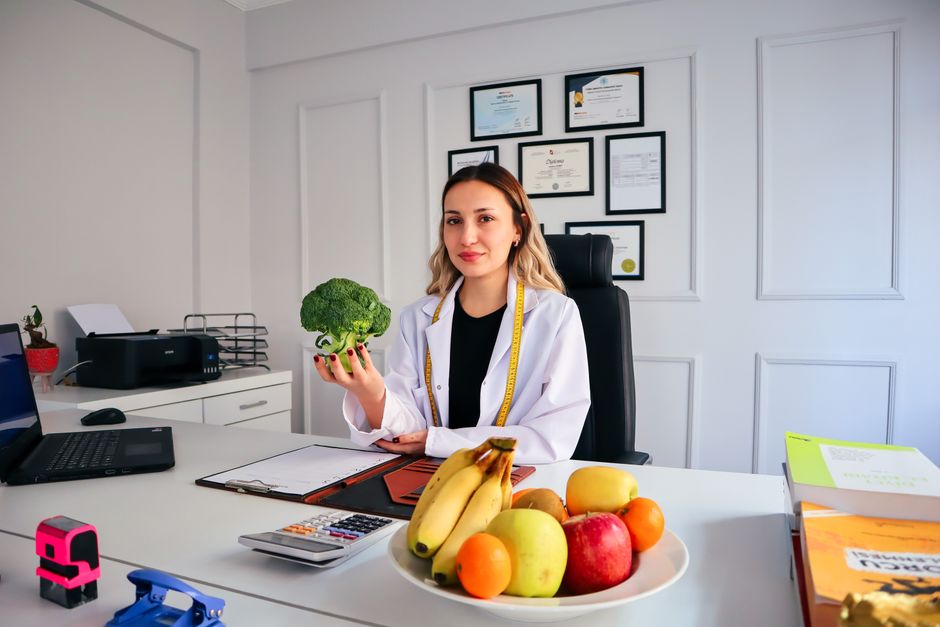
Raw broccoli gets a bad reputation. It can taste bitter, feel tough, and leave you wondering why anyone eats it without cooking it first. The truth is that raw broccoli is perfectly safe to eat and offers a satisfying crunch that cooked broccoli loses. You can enjoy it by choosing the right parts, preparing it correctly, and pairing it with flavors that balance its natural bitterness. The key is knowing a few simple techniques that change the entire experience.
Why Does Raw Broccoli Taste Bitter?
The bitterness comes from natural plant compounds called glucosinolates. When you chew raw broccoli, an enzyme called myrosinase mixes with these compounds and creates new substances that taste sharp and slightly bitter to many people.
Your genetics play a role here. Some people carry a specific gene that makes them extremely sensitive to bitter flavors, especially a compound called PROP. If you are one of these people, broccoli will always taste stronger to you than it does to someone else. This is not a flaw in the broccoli. It is how your taste buds are wired.
Another factor is the broccoli itself. Older broccoli that has been sitting in the fridge for a week develops more bitterness. Fresher broccoli tastes milder and sweeter. Choosing firm, bright green heads with tightly closed florets makes a real difference before you even start preparing them.
How To Eat Broccoli Raw And Actually Enjoy It
The single most effective technique is to cut the broccoli into small, uniform pieces. Large chunks of raw broccoli are hard to chew and force you to taste every bit of bitterness at once. Small florets distribute the flavor across more bites and make the texture far more pleasant.
Peeling the stalk changes everything. The outer skin of the broccoli stem is fibrous, tough, and more bitter than the inner core. Use a vegetable peeler to strip away the outer layer, then slice the pale green interior into thin coins or matchsticks. The peeled stem is surprisingly sweet, crisp, and similar in texture to jicama.
Soaking the cut florets in ice water for 10 minutes also helps. Cold water firms up the plant cells, making the broccoli crunchier. Some people find that this brief soak also dulls the bitter edge. Drain well and pat dry before serving so your dressing sticks properly.
Does Marinating Raw Broccoli Make It Taste Better?
Yes, and this is one of the most effective methods. Acid breaks down some of the fibrous structure in raw vegetables, which softens them slightly without cooking them. Lemon juice, lime juice, or vinegar all work well.
A simple marinade of olive oil, lemon juice, salt, and a pinch of honey or maple syrup balances the bitterness with fat, acid, and sweetness. Let the broccoli sit in this mixture for at least 15 minutes at room temperature. The salt draws out a little moisture, the acid tenderizes the edges, and the sweetness masks the sharp notes.
This is not the same as pickling. A short marinade simply seasons the surface and slightly changes the texture. The broccoli stays raw and retains its crunch, but it tastes noticeably milder and more pleasant.





Which Dips And Dressings Work Best With Raw Broccoli?
Fat is your best friend when eating raw broccoli. The bitter compounds in broccoli dissolve in fat, which means a creamy dip or an oil-based dressing directly reduces the bitter taste you perceive.
- Ranch dressing — the classic choice. The buttermilk and herbs mask bitterness effectively.
- Hummus — tahini adds richness and the garlic provides a strong flavor contrast.
- Peanut or almond butter sauce — a blend of nut butter, soy sauce, rice vinegar, and a little honey creates a savory-sweet coating.
- Greek yogurt dip — mix plain yogurt with lemon zest, dill, and a pinch of salt for a lighter option.
- Balsamic vinaigrette — the sweetness of balsamic vinegar balances bitterness well.
Salt is another important tool. A light sprinkle of flaky sea salt right before eating enhances the broccoli’s natural sweetness and suppresses bitterness. Do not oversalt — a small pinch is enough.
Is Raw Broccoli More Nutritious Than Cooked Broccoli?
Raw broccoli contains more vitamin C than cooked broccoli. Heat destroys vitamin C, so eating it raw preserves the full amount. A single cup of raw broccoli provides a significant portion of your daily vitamin C needs.
Raw broccoli also contains active myrosinase, the enzyme that helps form sulforaphane. Sulforaphane is a compound studied for its potential antioxidant and anti-inflammatory properties. Cooking inactivates this enzyme, which means cooked broccoli produces less sulforaphane in your body.
However, cooking has its own benefits. Steaming or sautéing broccoli makes some nutrients, like certain carotenoids, more available for absorption. Cooking also softens fiber, which some people tolerate better. The evidence does not show that raw broccoli is clearly superior to cooked broccoli. Both forms are healthy, and eating a mix of both gives you the widest range of benefits.
One note for people with thyroid conditions: raw broccoli contains goitrogens, compounds that can interfere with thyroid function when eaten in very large amounts. Cooking reduces these compounds. For most people eating normal portions, this is not a concern. If you have an existing thyroid condition, talk to your doctor about how much raw cruciferous vegetable intake is appropriate for you.
How To Make Raw Broccoli Part Of Your Regular Routine
Start with the broccoli salad approach. Thinly slice raw broccoli florets and peeled stems, then toss them with dried cranberries, sunflower seeds, red onion, and a creamy dressing. The sweetness from the fruit and the richness from the dressing transform the broccoli into something you will genuinely look forward to eating.
Add raw broccoli to grain bowls. A warm bowl of quinoa or brown rice with roasted sweet potatoes, chickpeas, and a handful of finely chopped raw broccoli on top works well. The warm grains slightly soften the broccoli without cooking it, and the other strong flavors carry the dish.
Shred raw broccoli into slaws. Use a box grater or food processor to shred the florets and peeled stems, then toss with a simple vinaigrette. Shredded broccoli absorbs dressing better than florets and is easier to eat by the forkful.
Keep a container of cut broccoli in your fridge. Pre-cut florets and peeled stem sticks that are ready to grab make it far more likely you will eat them. Pair them with a dip you love and treat them like any other snack food.
What About Frozen Or Pre-Cut Broccoli?
Frozen broccoli is almost always blanched before freezing. That means it is partially cooked and will not have the same crisp texture as fresh raw broccoli. It is fine for cooking, but it is not a good choice for eating raw.
Pre-cut broccoli from the produce section is convenient but can be less fresh. The cut surfaces dry out faster and the broccoli may have been sitting for days. If you buy pre-cut, check the sell-by date and look for pieces that still look moist and firm. Better yet, buy whole heads and cut them yourself. A whole head of broccoli costs less and stays fresher longer.
Store raw broccoli in the refrigerator in a loosely closed plastic bag. Do not wash it before storing — moisture promotes mold and spoilage. Wash it right before you eat it.
Frequently Asked Questions
Frequently Asked Questions
Can you eat broccoli stems raw?
Yes, the stems are safe to eat raw. Peel the tough outer skin first, then slice or shred the inner core for the best texture and flavor.
Does soaking raw broccoli in water remove the bitterness?
Soaking in ice water for about 10 minutes can crisp the texture and slightly dull the bitter taste for some people. It does not remove all bitterness, but it helps.
Is eating raw broccoli every day safe?
Yes, for most people, eating raw broccoli daily in normal portions is safe and healthy. If you have a thyroid condition, talk to your doctor about appropriate amounts.
Which is healthier: raw or steamed broccoli?
Both are healthy. Raw broccoli has more vitamin C and active enzymes, while steamed broccoli makes some nutrients easier to absorb. Eating both forms gives you the widest benefit.
