
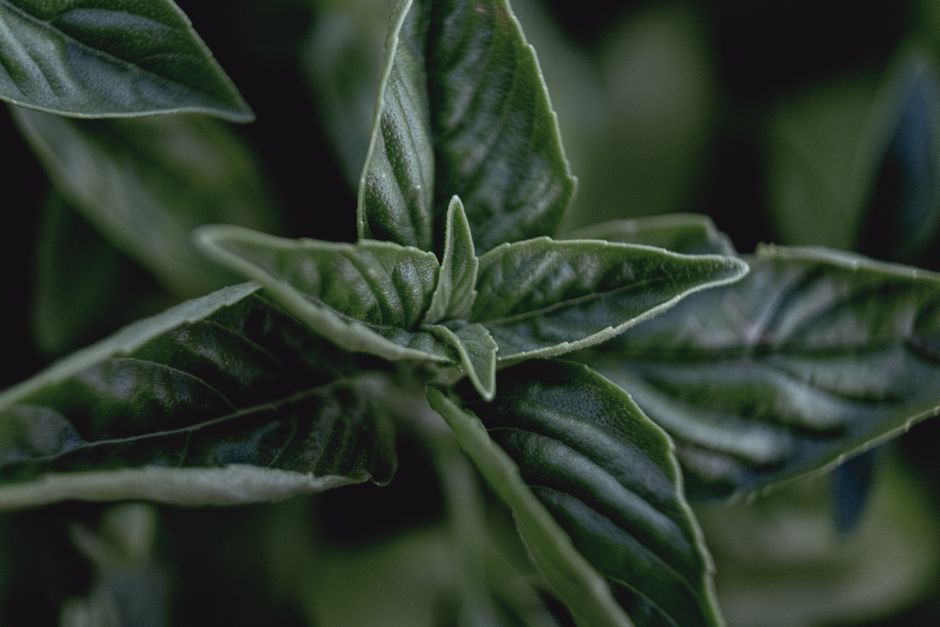
Ashitaba leaves can be eaten raw, cooked, or powdered, and each method works differently. Raw leaves are traditionally chopped into salads or blended into smoothies in Japan, where the plant is grown. Cooking the leaves softens their strong, slightly bitter flavor and makes them easier to eat in larger amounts. Powdered ashitaba is the most concentrated form, usually stirred into water, tea, or food. Which method you choose depends on taste, convenience, and what you actually want from the plant.
One thing to be clear about up front: ashitaba is a food, not a proven medicine. It has a long history of use in Japanese cuisine and traditional practice, but the human clinical evidence for most of its touted benefits is thin. That does not make it worthless. It just means the right way to eat it is as food, with realistic expectations.
What Is Ashitaba And Where Does It Come From?
Ashitaba is a green leafy plant in the celery and carrot family, known scientifically as Angelica keiskei. It grows mainly on Hachijō Island, a volcanic island south of Tokyo, where it has been eaten as a vegetable for generations. The name translates roughly to “tomorrow’s leaf,” a reference to how quickly the plant regrows after harvesting.
The plant produces a distinctive yellow sap when its stems are cut. That sap contains compounds called chalcones, which are the main reason ashitaba gets so much attention. Chalcones are a class of plant chemicals that have been studied in the laboratory for various biological activities. Lab findings are not the same as proven effects in people, and that gap matters here.
In Japan, ashitaba is treated as an everyday vegetable. The leaves, stems, and even the roots show up in cooking. Outside Japan, it is most often sold as a dried powder or a supplement, which changes how people use it and how much they consume.
How To Eat Ashitaba Leaves Raw Cooked Or Powdered?
All three methods are used, and none is clearly superior. The choice comes down to flavor, how much you plan to eat, and whether you want the whole leaf or a concentrated powder.
Eating The Leaves Raw
Raw ashitaba has a strong, bitter, slightly herbal taste with a hint of celery. In Japan, young tender leaves are often chopped finely and added to salads, mixed into rice, or blended into smoothies and juices. The bitterness is the main hurdle for most people.
If you eat it raw, choose young, tender leaves. Older leaves are tougher and more bitter. Wash them well, since leafy greens can carry soil and bacteria. Chop them small so the flavor distributes rather than hitting you in one bite. Blending raw leaves into a smoothie with fruit is a common way to mask the taste.
Raw is the least concentrated way to eat ashitaba. You are eating the whole leaf with its water content, fiber, and natural vitamins. That is generally how a vegetable is meant to be eaten.
Cooking The Leaves
Cooking mellows the bitterness and softens the texture. Ashitaba can be sautéed, blanched, stir-fried, or added to soups and tempura, which are all traditional preparations. Heat does reduce some vitamins, particularly vitamin C, but it also makes the leaves easier to eat in quantity and more palatable for people who dislike the raw flavor.
There is no strong evidence that cooking destroys the chalcones or makes the plant useless. Some plant compounds survive cooking better than others, and the honest position is that the exact effect of cooking on ashitaba’s specific compounds is not well studied in humans. Treat cooked ashitaba as a vegetable, not as a dose of anything.
Using The Powder
Powdered ashitaba is dried and ground leaf, sometimes including stem. It is the most concentrated form by weight, which is both its appeal and its risk. A small scoop delivers far more plant material than a handful of leaves would.
People mix the powder into water, tea, smoothies, or food. Follow the serving size on the product label rather than guessing. Because powders vary widely in how they are made and how concentrated they are, there is no single standard dose. No clinical guidelines establish a recommended amount of ashitaba powder for general use, so the label on a specific product is the only reference you have.
How Do The Three Methods Compare?
The methods differ mainly in concentration, taste, and how much plant material you actually consume. Here is a plain comparison.
| Method | Taste | Concentration | Typical Use |
|---|---|---|---|
| Raw leaves | Strong, bitter, herbal | Low (whole leaf, mostly water) | Salads, smoothies, chopped over rice |
| Cooked leaves | Milder, softer | Low to moderate | Sautéed, blanched, soups, tempura |
| Powder | Concentrated, bitter | High (dried and ground) | Mixed into water, tea, smoothies |
The key point in that table is concentration. A teaspoon of powder can represent far more leaf than you would eat in a salad. That is why powder deserves more caution than a vegetable serving.
Does Ashitaba Actually Do Anything?
The honest answer is that the human evidence is limited. Ashitaba contains chalcones and other plant compounds that have shown activity in laboratory and animal studies. That is a starting point for research, not proof of benefit in people.
Some small human studies and traditional use suggest ashitaba may affect markers related to metabolism and antioxidant activity. The studies are generally small, and results vary. No large, well-controlled human trials have firmly established that eating ashitaba produces meaningful health outcomes in healthy people. Anyone claiming it is “clinically proven” to do something specific is going beyond the evidence.
This is a good place to separate two ideas that get blended together. A plant can be nutritious and worth eating as a vegetable while still lacking proof that it treats or prevents disease. Ashitaba fits that description. It is a leafy green with fiber and plant compounds. That is a modest, real benefit. It is not a substitute for medical treatment.
Is Ashitaba Safe, And Who Should Be Careful?
Eaten as a food in normal amounts, ashitaba has a long history of use in Japan. That history is reassuring but not the same as formal safety testing. The concentrated powder and supplements are where caution increases, because you can take in much more than you would from food.
Some things to keep in mind:
- Ashitaba is in the same plant family as celery, carrots, and fennel. People with allergies to those plants should be cautious, since related plants can trigger similar reactions.
- Leafy greens and powders can carry bacteria or contaminants if not handled or manufactured properly. Buy from reputable sources and follow storage instructions.
- Because concentrated ashitaba may affect blood clotting or interact with medications in theory, anyone taking blood thinners or with a bleeding disorder should talk to a clinician before using powders or supplements. This is a precaution based on the plant’s known compounds, not a documented widespread problem.
- Pregnant women, breastfeeding women, and children have no established dosing guidelines for ashitaba powder or supplements. No clinical guidelines currently exist for these groups. Treat it as a food at most, and check with a clinician before using concentrated products.
If you take prescription medication, the safest approach is to mention any supplement, including ashitaba powder, to your pharmacist or doctor. That is general good practice, not a sign that ashitaba is especially dangerous.
How Should You Store And Prepare It?
Fresh ashitaba leaves are perishable. Keep them cool and use them within a few days, the way you would treat any tender leafy green. Wash before eating. Wilted or slimy leaves should be discarded.
Powder should be kept dry and sealed, away from heat and moisture, and used by its expiration date. Moisture clumps powder and can encourage spoilage or mold. Use a dry spoon, and do not store the powder in a steamy kitchen cabinet.
If you are new to ashitaba, start with a small amount of the leaf or a low serving of powder. The bitterness is real, and some people find the concentrated powder hard on the stomach at first. There is no benefit to taking more than you are comfortable with, and more is not proven to be better.
Frequently Asked Questions
Can you eat ashitaba leaves raw?
Yes, raw ashitaba leaves are traditionally chopped into salads or blended into smoothies in Japan. They taste bitter and herbal, so young tender leaves and small quantities are easier to handle.
Is ashitaba powder better than fresh leaves?
Powder is more concentrated, but that does not make it better. Fresh leaves are a vegetable food, while powder delivers much more plant material per serving, so it deserves more caution and label-based dosing.
How much ashitaba should you take per day?
No clinical guidelines establish a recommended daily amount of ashitaba powder, so follow the serving size on the specific product label. For fresh leaves, treat it as a vegetable serving rather than a measured dose.
Does cooking ashitaba destroy its benefits?
Cooking reduces some vitamins such as vitamin C, but it makes the leaves milder and easier to eat. The exact effect of cooking on ashitaba’s specific compounds is not well studied in humans.
