
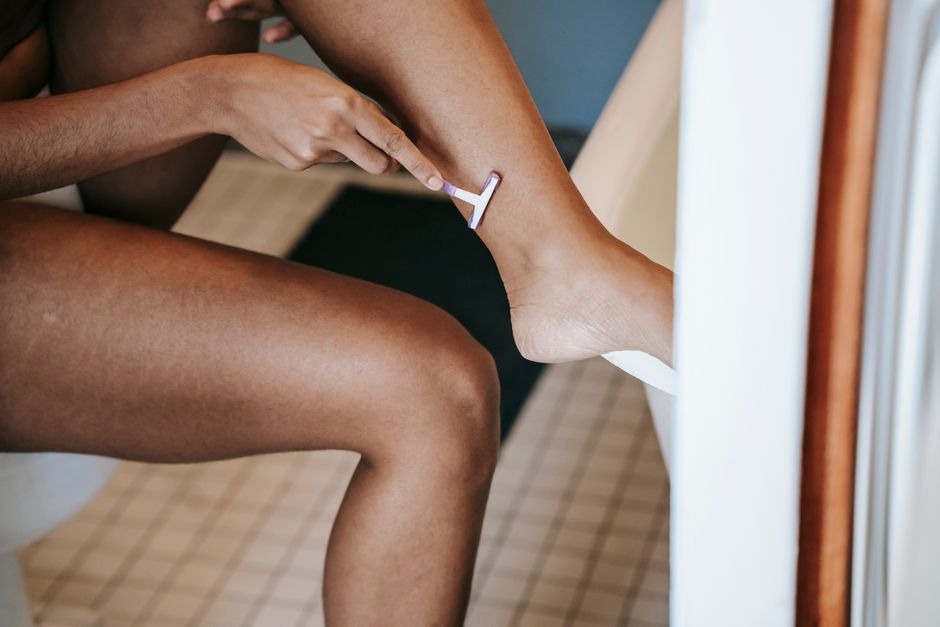
Razor bumps are small, irritated bumps that appear after shaving, usually on the face, neck, underarms, or bikini line. They happen when hair is cut too short or curls back into the skin, triggering inflammation. The fastest way to ease them is to stop shaving the area for a few days, apply a cool compress, and use a gentle moisturizer while the skin calms down.
What Are Razor Bumps, Exactly?
Razor bumps are the common name for a condition doctors call pseudofolliculitis barbae. The bumps are not acne, and they are not an infection at the start. They are an inflammatory response to hair that has been cut below the surface of the skin.
When you shave, a sharp blade slices hair at an angle. The cut end can be sharp enough to pierce the skin as it grows back. In people with tightly curled hair, the hair often curves back toward the skin instead of growing straight out, and the tip can re-enter the skin nearby. The body treats this as a foreign object and responds with redness, swelling, and a small bump.
This is why razor bumps are most common in people with curly or coarse hair, and why they show up most often on the beard area and neck. They can happen anywhere you shave, though. Underarm and bikini-line skin is thin and folds on itself, which makes irritation more likely there too.
Razor bumps are different from razor burn. Razor burn is surface irritation from friction or a dull blade. It looks like a red, stinging patch. Razor bumps are individual raised bumps that follow the hair follicles. Most people get some of both, which is why the two terms get used interchangeably even though the causes overlap but are not identical.
How To Ease Razor Bumps Fast
Stop shaving the area for a few days. This is the single most effective step, because it removes the ongoing trauma and lets the skin settle. Most mild cases improve noticeably within a few days to a week once shaving stops.
While the skin heals:
- Apply a cool, damp cloth for a few minutes at a time to reduce redness and swelling.
- Use a gentle, fragrance-free moisturizer to keep the skin from drying and tightening.
- Avoid scrubbing, exfoliating beads, or harsh astringents on the area.
- Do not squeeze or pick at the bumps. Picking can push bacteria in and turn a minor bump into a small infection.
- Skip tight collars, straps, or clothing that rubs the area.
Some clinicians recommend a mild over-the-counter hydrocortisone cream for short-term use to calm inflammation. This is common practice rather than a strongly proven treatment for razor bumps specifically, so keep it brief and follow the product label. It is not meant for long-term or daily use on the face without medical advice.
Warm compresses can help if a bump has become a firm, tender lump. That can signal an ingrown hair that has formed a small collection of fluid or pus under the skin. Warm compresses may help it drain naturally. Do not lance or cut it yourself.
When Should You See a Doctor for Razor Bumps?
See a doctor if the bumps are spreading, getting larger, or becoming painful and hot. Those can be signs of a bacterial infection that needs treatment. Also seek care if you notice pus, spreading redness, or fever.
Some people develop darkening of the skin where bumps repeatedly form. This is called post-inflammatory hyperpigmentation, and it is more common in darker skin tones. It is not dangerous, but it can be persistent and is easier to prevent than to reverse. A doctor or dermatologist can discuss options.
Another reason to get help: if you have tried the basic steps and still get razor bumps every time you shave, you may benefit from a different hair-removal method or, in some cases, prescription treatments. Some clinicians prescribe topical antibiotics or other medications for stubborn cases. These are medical decisions, not over-the-counter fixes.
People with a condition called hidradenitis suppurativa, which causes painful lumps in skin folds, can have flares triggered by shaving. If you get recurring deep, painful lumps under the arms or in the groin, that is worth a medical evaluation rather than self-treatment.
How Do You Prevent Razor Bumps When Shaving?
Technique matters more than any product. The goal is to cut hair without pulling it or slicing it below the skin surface.
Start with warm water. Showering or holding a warm cloth on the area for a couple of minutes softens the hair and skin, which makes the cut cleaner and reduces tugging. Use a shaving cream or gel rather than soap alone. The cream creates a layer that lets the blade glide.
Use a sharp, clean blade. A dull razor drags and catches hair instead of cutting it cleanly, which increases irritation. Rinse the blade after each stroke. Replace blades regularly, though how often depends on how coarse your hair is and how often you shave.
Shave in the direction of hair growth, not against it. Shaving against the grain gives a closer shave, but it also cuts hair shorter and increases the chance the regrowing end will curl into the skin. If you are prone to razor bumps, with-the-grain shaving is the more important habit to keep.
Use light pressure. Let the blade do the work. Do not press down or go over the same spot repeatedly.
Rinse with cool water afterward and apply a gentle moisturizer. Skip alcohol-based aftershaves, which dry and irritate the skin.
Does Shaving Against the Grain Cause Razor Bumps?
Shaving against the grain is a major contributor. It cuts hair at or below the skin surface, which sets up the ingrown-hair problem that causes razor bumps.
The trade-off is real. Many people prefer against-the-grain shaving because it feels smoother. If you rarely get bumps, that may be fine. If you get them often, switching to with-the-grain shaving is one of the simplest changes you can make.
One thing worth knowing: hair does not need to be cut below the skin to get a close shave. A sharp blade used with light pressure and good lubrication can give a close result while keeping the cut end above the surface. That small difference is what reduces the chance of the hair re-entering the skin.
Do Aftershave Products and Exfoliants Help?
Some do, some do not, and the evidence is limited for most specific products. Be skeptical of anything marketed as a razor bump cure.
Chemical exfoliants containing salicylic acid or glycolic acid are sometimes recommended to help clear dead skin and free trapped hairs. Some people find them helpful. They can also sting freshly shaved skin, so timing matters. There is no strong evidence that any specific over-the-counter exfoliant reliably prevents razor bumps.
Products that combine a moisturizer with a mild exfoliant are often better tolerated than strong acids alone. If you try one, patch test on a small area first.
Avoid harsh scrubs with rough particles right after shaving. They can worsen irritation and push bacteria into small breaks in the skin.
No product has been shown in large human trials to reliably prevent razor bumps. The most reliable approach remains the basics: soften the hair, use a sharp blade, shave with the grain, and give irritated skin a break.
Are There Alternatives to Shaving?
Yes, and for people who get razor bumps often, a different hair-removal method may work better than any shaving technique.
Trimming with an electric trimmer set to leave a small amount of hair is a common approach. It avoids cutting hair at the skin surface, which greatly reduces the chance of ingrown hairs. Many dermatologists suggest this for people with persistent razor bumps.
Depilatory creams dissolve hair at the surface. They can work for some people, but they contain strong chemicals and can irritate sensitive skin. Patch test first, and do not use them on broken or inflamed skin.
Laser hair removal reduces hair growth over time and is often recommended for stubborn razor bumps. It works best on dark hair and lighter skin, though it can be used on other combinations with the right equipment and settings. It requires multiple sessions and is a medical or cosmetic procedure, not a home fix. Results vary.
Waxing and epilating pull hair out at the root. They can cause irritation and ingrown hairs too, so they are not automatically better for razor bumps.
Frequently Asked Questions
How long do razor bumps take to go away?
Most mild razor bumps improve within a few days to a week once you stop shaving the area. Bumps that are deep, painful, or infected can take longer and may need medical treatment.
Can I pop razor bumps?
No. Popping or squeezing can push bacteria into the skin and turn a minor bump into an infection, and it increases the chance of scarring and dark spots.
What is the fastest way to get rid of razor bumps?
Stop shaving the area and apply a cool compress, then keep the skin moisturized while it heals. This removes the ongoing irritation and is the most reliable step for mild cases.
Are razor bumps the same as ingrown hairs?
They are closely related. Razor bumps are the inflamed reaction that happens when a cut hair curls back into the skin, which is the same process behind many ingrown hairs.
