
Drying lemon peel in the oven is simple: wash the lemons, peel them in wide strips, spread them on a baking sheet, and bake at 200°F (93°C) for 2 to 3 hours. The key to the best flavor is using only the yellow zest—avoid the white pith—and drying at a low temperature so the natural oils don’t burn. Let the peels cool completely before storing them in an airtight jar.
Why Dry Lemon Peel Instead of Using Fresh?
Fresh lemon zest gives bright, sharp flavor. Dried lemon peel offers a deeper, more concentrated citrus taste with less moisture. That makes it better for spice blends, teas, baked goods, and long-term storage. Dried peel also keeps for months without losing much flavor if stored correctly.
The drying process removes water but keeps the aromatic oils in the peel. These oils contain limonene and other compounds that give lemons their scent. Low heat preserves those compounds. High heat destroys them and leaves a flat, cooked taste.
How To Dry Lemon Peel In The Oven For Best Flavor
This is the method that consistently produces the most flavorful dried peel. Start with organic lemons if possible. Non-organic lemons often have a wax coating and pesticide residues on the skin. Wash them thoroughly with warm water and a scrub brush even if they are organic.
Use a vegetable peeler or a sharp paring knife to remove thin strips of the yellow zest. Try not to take any of the white pith underneath. The pith is bitter and will make your dried peel taste unpleasant. If you see white on the back of the strip, scrape it off with a knife.
Spread the strips in a single layer on a baking sheet lined with parchment paper. Do not overlap them. Overlapping traps moisture and leads to uneven drying.
Preheat your oven to 200°F (93°C). Some ovens run hot. If yours is one of them, set it to 175°F (80°C) instead. Place the baking sheet on the middle rack. Leave the oven door slightly ajar (propped with a wooden spoon) so moisture can escape. Bake for 2 to 3 hours.
Check at the 2-hour mark. The peel is ready when it is brittle and snaps when bent. If it bends instead of snaps, it needs more time. Do not let it brown. Brown means the oils have burned and the flavor will be dull.
Cool the peels completely on the baking sheet. They will crisp further as they cool. Then store them in an airtight glass jar away from light and heat.
What Temperature Works Best for Drying Lemon Peel?
200°F (93°C) is the ideal temperature. It is low enough to protect the volatile oils and high enough to dry the peel within a few hours. Higher temperatures, like 250°F (121°C) or above, will darken the peel and produce a cooked or scorched flavor. This is not the same as the bright citrus note you want.
Lower temperatures, like 150°F (65°C), will also work but will take significantly longer—often 4 to 6 hours. The extra time does not improve flavor. It just risks more enzyme activity that can dull the taste. Stick with 200°F for the best balance of speed and quality.
Some ovens have a convection setting. If you use convection, reduce the temperature by 25°F. Convection circulates hot air and dries faster, but it can also dry the peel too quickly and cause uneven results if not watched closely. Standard bake mode is more forgiving.





How to Prepare Lemons for Drying
Start with firm, heavy lemons. Heavier lemons have more juice and thicker skin, which dries well. Avoid lemons that feel soft or have wrinkled skin. Those are past their prime and will have less flavor.
Wash the lemons with warm water and a bit of dish soap if they are not organic. Rinse thoroughly. Dry them with a clean towel.
If you plan to use the peel for baking or as a spice, consider blanching the lemon strips in boiling water for 30 seconds before drying. This step is optional. Blanching deactivates enzymes that can cause the peel to darken over time. It also softens the peel slightly and makes the flavor milder. Many home cooks skip it and get good results. If you want the purest lemon taste without any cooked note, do not blanch.
Cut the lemon strips into uniform sizes. Thick pieces take longer to dry. Thin, even strips dry more consistently. Aim for strips about 1 inch long and ¼ inch wide.
Common Mistakes When Drying Lemon Peel in the Oven
- Using too much pith. The white layer under the zest is extremely bitter. Even a small amount ruins the flavor. Peel carefully and trim any white bits.
- Drying at too high a temperature. Above 220°F the oils start to break down. The result is a dull, baked taste rather than bright citrus.
- Overlapping the strips. Strips that touch each other trap moisture. This leads to uneven drying and can cause some pieces to stay soft while others get crisp. Some may even mold later.
- Checking too early. Peel that is removed from the oven while still slightly bendable will not crisp as it cools. It will remain chewy and may spoil faster. Wait until the strips snap cleanly.
- Storing while still warm. Warm peel releases moisture into the jar. That condensation leads to mold. Always cool completely before storing.
How to Store Dried Lemon Peel for Maximum Flavor
Dried lemon peel keeps best in a completely airtight container. A glass jar with a rubber seal works well. Plastic containers can absorb odors over time.
Keep the jar in a cool, dark cabinet. Light and heat accelerate flavor loss. Do not store it above the stove or near the oven. A pantry or cupboard away from heat sources is ideal.
Whole strips retain flavor longer than ground peel. Grinding exposes more surface area to air and the flavor fades faster. Grind only what you need right before using it.
Properly dried and stored lemon peel stays good for about 6 to 12 months. After that the flavor gradually weakens. If you see any signs of moisture inside the jar or smell a musty odor, discard the batch.
Best Uses for Dried Lemon Peel
Dried lemon peel is not a direct substitute for fresh zest. Fresh zest adds moisture and bright top notes. Dried peel adds depth and a more concentrated lemon flavor. It works best in dishes that cook or steep, giving time for the flavor to rehydrate and release.
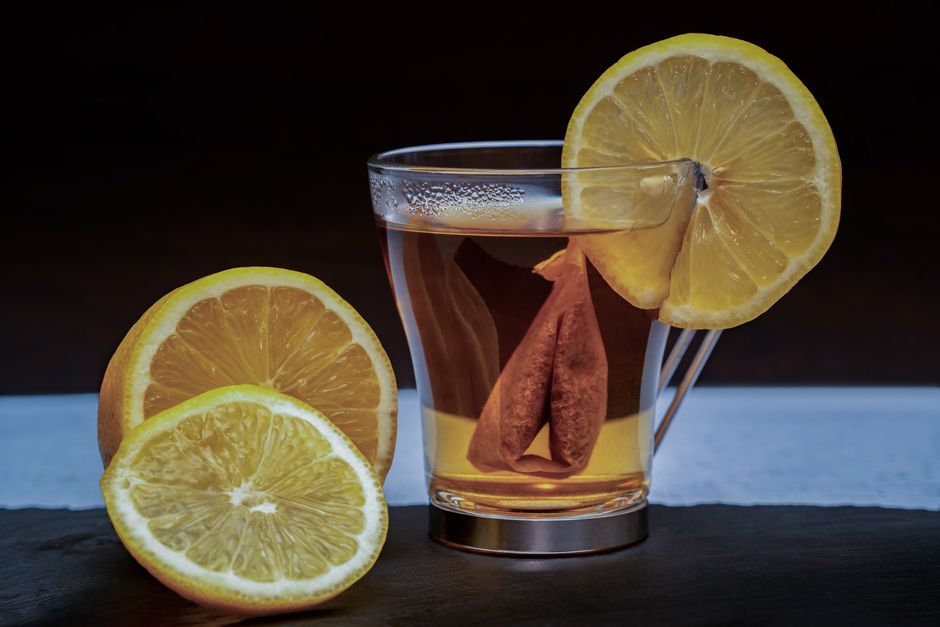
- Tea. Add a strip to black or green tea while it steeps. The heat releases the oils into the water.
- Spice blends. Grind the dried peel into a powder and mix with black pepper, salt, garlic powder, or herbs for a citrusy rub.
- Baked goods. Use ground dried peel in cookies, cakes, and scone recipes. Add it to the dry ingredients.
- Marinades and sauces. Drop a strip into simmering sauces or stews. Remove it before serving.
- Candied peel. You can rehydrate dried peel in simple syrup to make a quick version of candied lemon peel for baking.
Ground dried peel is also a common ingredient in many commercially prepared spice blends. Making your own gives you a fresher, more potent product without additives.
Oven Drying vs. Dehydrator vs. Air Drying
Oven drying is the most accessible method for most people. It requires no special equipment and takes a few hours. The main risk is overheating if you walk away.
A food dehydrator runs at a consistent low temperature, usually around 135°F to 145°F. This preserves flavor very well. It takes longer—typically 4 to 8 hours—but you can set it and forget it. A dehydrator is the best option if you dry large batches regularly.
Air drying is the oldest method. Hang lemon peels on a string in a dry, dark, and well-ventilated area. This can take 1 to 2 weeks. The flavor is excellent because no heat is involved. But air drying requires the right climate. Humidity above 60% increases the risk of mold before the peel dries. Air drying works best in dry, cool climates.
Frequently Asked Questions
Can I dry lemon peel in the oven overnight?
No, drying overnight at a very low temperature might work but it is not recommended because the oven could cycle on and off unpredictably and burn the peel. Stick to a monitored 2 to 3 hour bake at 200°F.
Do I need to blanch lemon peel before drying?
Blanching is optional. It prevents darkening over time but also slightly mutes the fresh lemon flavor. Most home cooks skip it and get good results.
How do I know when dried lemon peel is done?
The peel should be brittle and snap cleanly when bent. If it bends without breaking it needs more time. Let it cool fully before storing to ensure it is completely dry.
Can I reuse dried lemon peel after steeping in tea?
No, most of the flavor is released during the first steep. The remaining peel will taste bland and woody. Discard it after use.
