

Psyllium husk is a soluble fiber supplement that you drink by mixing the powder or whole husk into a full glass of liquid — water, juice, or a smoothie — and drinking it right away before it thickens. The usual approach is one serving with at least 8 ounces of liquid, once or twice a day, starting with a smaller amount to let your gut adjust. The single most important rule: never take psyllium dry, and never mix it into a glass and let it sit. It gels fast, and that gel is exactly what you want inside your digestive tract, not in your throat.
How To Drink Psyllium Husk
Psyllium is the husk of the Plantago ovata seed, and it works by absorbing water and forming a gel. That gel is what adds bulk to stool and softens it. The mechanics matter for how you drink it.
Pour your measured serving into a glass. Add at least 8 ounces of liquid. Stir briskly for a few seconds and drink it immediately. If you wait even a minute, the mixture thickens into something closer to pudding than a beverage, and it becomes harder to swallow safely.
Some people prefer the texture mixed into a larger volume of liquid, like 12 to 16 ounces. That is fine and can make it easier to get down. What you should not do is chase it with only a sip of water. The fiber needs the fluid to work and to move through safely.
After drinking, it helps to rinse the glass right away. Psyllium gel sets like cement on glassware if you leave it.
What liquid should you use?
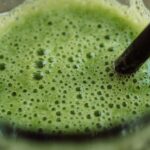
Water is the standard choice and the one most clinicians point to. Juice works too, though it adds sugar. Milk, plant milks, and smoothies are common and acceptable. The liquid itself is not the critical variable — the volume is. You need enough of it.
One practical note: psyllium can slow the absorption of some medications if taken at the same time. Separating your psyllium from medications by a few hours is a common clinical practice, though the strength of that recommendation varies by drug. If you take prescription medication, ask your pharmacist whether timing matters for your specific drugs.
How Much Psyllium Husk Should You Take?
Product labels vary, so follow the label on your container. A common adult serving is about one rounded teaspoon or one tablespoon of powder, depending on the product, mixed with at least 8 ounces of liquid.
Start lower than you think you need. Many people begin with half a serving once daily for the first week. This is not because the full serving is unsafe — it is because your gut bacteria will ferment the fiber, and a sudden large dose can cause bloating, gas, and cramping. Building up over one to two weeks is gentler.
If you are tolerating it well, you can move to the full labeled serving, once or twice daily. More is not automatically better. There is no established benefit to taking far more than the label suggests, and the side effects scale up with the dose.
For children, pregnant women, and breastfeeding women, no universal clinical guidelines exist for psyllium dosing. Do not guess. Talk to a pediatrician or clinician before giving psyllium to a child or using it during pregnancy or breastfeeding.
Why You Must Never Take Psyllium Dry
This is the one warning that matters most. Swallowing dry psyllium powder or dry husk can cause it to expand in your throat or esophagus before it reaches your stomach. There are documented cases of choking and of esophageal blockage from dry psyllium.
The husk can absorb many times its own weight in water. That property is the whole point of the supplement, and it is also the whole risk. When it gels in the wrong place at the wrong time, it can block the airway or the food pipe.
If you have ever had trouble swallowing, a narrowed esophagus, or a history of esophageal strictures, talk to your doctor before using psyllium at all. The same goes if you have had prior bowel surgery or an obstruction.



When Is The Best Time To Take Psyllium?
There is no single best time that the evidence clearly favors. What matters more is consistency and fluid intake.
Many people take it in the morning, which makes it easy to pair with a full glass of water and to remember. Others take it before meals to help with appetite or blood sugar response, or at night to support regularity the next morning. Any of these can work.
If your goal is cholesterol or blood sugar support, taking it with meals is a reasonable approach, since that is where it can interact with what you eat. If your goal is regularity, timing is less important than taking it every day.
One habit worth keeping: drink plenty of water throughout the day, not just with the dose. Psyllium pulls water into the gut, and if you are dehydrated, it can make constipation worse rather than better.
What Psyllium Does And What The Evidence Shows
Psyllium is one of the better-studied fiber supplements, and its uses are fairly specific.
For constipation, psyllium is a bulk-forming laxative. It adds water and volume to stool, which helps it pass. This is well established and is why it is a standard recommendation.
For cholesterol, soluble fibers including psyllium can modestly lower LDL cholesterol. The effect is real but modest, and it works best alongside diet changes, not as a replacement for them. It is not a substitute for cholesterol medication if you need one.
For blood sugar, psyllium taken with meals can blunt the rise in blood sugar after eating to a modest degree. This is not a treatment for diabetes and does not replace medication or monitoring.
For weight, the picture is weaker. Fiber can increase fullness, but psyllium is not a weight-loss product, and no strong evidence shows it produces meaningful weight loss on its own.
Side Effects And Who Should Avoid It
The most common side effects are bloating, gas, and cramping, especially in the first days. These usually ease as your gut adapts. Taking it with more water and starting at a lower dose reduces them.
Do not use psyllium if you have a bowel obstruction or are at risk of one, or if you have severe narrowing of the esophagus or gut. Do not use it if you cannot drink enough fluid.
Rare but serious reactions can include allergic reactions, particularly in people with existing allergies to related plants or who handle the powder regularly. If you develop wheezing, rash, or throat swelling, stop and seek medical care.
If you are on any medication, especially thyroid medication, diabetes medication, or drugs with a narrow therapeutic window, talk to your pharmacist about timing. Psyllium can affect how some drugs are absorbed.
Loose Powder, Whole Husk, Or Capsules?
The active fiber is the same across forms, but how you take it differs.
- Loose powder: Mixes easily, but you must drink it fast before it gels.
- Whole husk: Coarser texture, same idea, still needs plenty of liquid and fast drinking.
- Capsules: Easier to take, but you must still drink a full glass of water with them. Capsules do not remove the need for fluid.
Capsules are convenient but easy to take with too little water, which is the same risk in a different package. Whatever the form, the fluid rule does not change.
Frequently Asked Questions
How much water do you need with psyllium husk?
At least 8 ounces of liquid with each serving, and more if you can manage it. Drink additional water throughout the day, not just with the dose.
Can you drink psyllium husk at night?
Yes, taking it in the evening is common and can support morning regularity. Just make sure you drink a full glass of water with it and stay hydrated.
What happens if you take psyllium husk without enough water?
It can thicken in your throat or esophagus and cause choking or blockage, and it may worsen constipation instead of helping it. Always mix it with enough liquid and drink it immediately.
Can you mix psyllium husk with juice or a smoothie?
Yes, any liquid works as long as you use enough of it and drink the mixture right away. Water remains the simplest choice because it adds no sugar.
