
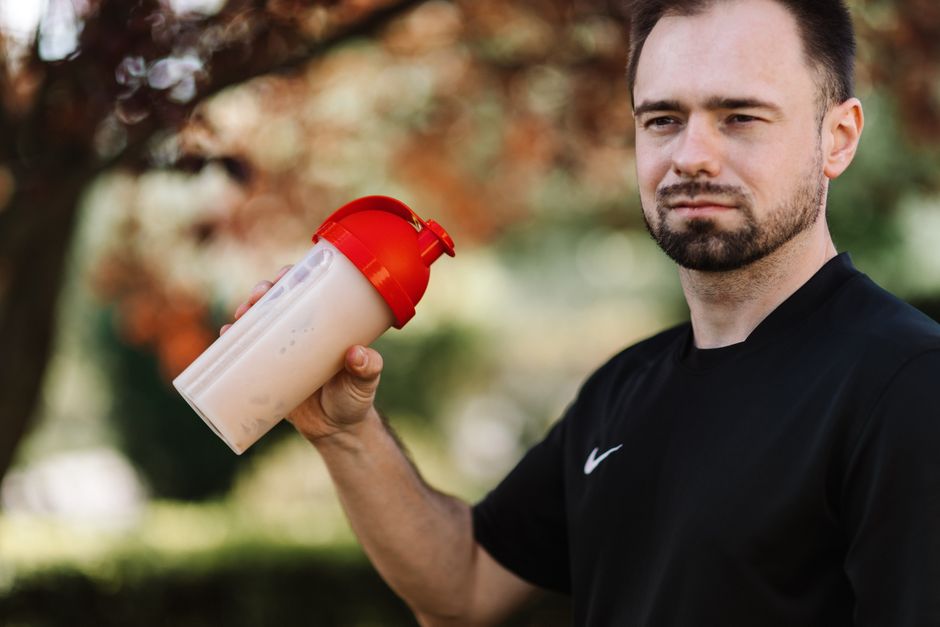
Protein powder is a tool, not a magic ingredient. It can help with weight loss when it replaces calories you would have eaten anyway or helps you stay full enough to eat less later. It works against you when it is added on top of your normal meals as an extra. That single distinction matters more than which brand you buy or when you drink it.
Experts generally recommend choosing a shake that fits your daily calorie target, using it to replace a meal or snack rather than add to it, and pairing it with whole foods and resistance training so you keep muscle while losing fat. Most healthy adults can use protein powder safely, but it is a supplement, not a required part of any diet.
Does protein powder actually help with weight loss?
Protein helps with weight loss mainly through satiety. It is the most filling of the three macronutrients, gram for gram, and it takes more energy to digest than fat or carbohydrate. Research consistently shows that higher-protein diets increase feelings of fullness and can reduce the number of calories people eat at their next meal.
What protein powder does not do is burn fat. No supplement does that. The weight loss comes from the calorie deficit the shake helps you create or maintain, not from the powder itself.
There is a second reason protein matters during weight loss. When you eat fewer calories, your body can break down muscle for energy. Adequate protein intake, combined with resistance training, helps preserve lean mass. That matters because muscle supports your resting metabolic rate and how you function day to day.
Where the evidence is weaker is in the specific claim that protein powder beats protein from food. Some studies suggest whole-food protein sources may be slightly more satiating, but the difference is not large. If a shake is what you will actually use consistently, it is a reasonable choice.
How to drink protein powder for weight loss: what experts recommend
The core recommendation is simple: use the shake as a substitute, not a supplement. If you drink a protein shake in addition to your regular meals, you are adding calories, and weight loss becomes harder. If you drink it instead of a higher-calorie meal or snack, it can help.
Here is what that looks like in practice:
- Replace, don’t add. Use a shake for breakfast or an afternoon snack you would otherwise fill with something higher in calories.
- Watch the total. A shake with milk, banana, peanut butter, and honey can easily exceed the calories of the meal it replaced. Keep additions simple.
- Choose a protein you tolerate. Whey and casein are dairy-based. Plant blends (pea, rice, soy) work well for people who avoid dairy or have lactose intolerance.
- Check the label for added sugar. Many flavored powders are sweetened heavily. Unflavored or lightly sweetened powders give you more control.
- Pair it with resistance training. Protein alone does not preserve muscle. Lifting weights or doing bodyweight resistance work is what signals your body to keep muscle.
Some clinicians recommend spreading protein across meals rather than consuming it all at once, based on the idea that muscle protein synthesis responds better to evenly distributed intake. The research on exact timing and per-meal amounts is still evolving, so treat this as reasonable guidance rather than a hard rule.
How much protein powder should you use per day?
There is no official daily recommendation specifically for protein powder. General protein intake guidelines are based on total daily protein from all sources, not supplements.
A commonly cited target for adults trying to lose weight while preserving muscle is roughly 1.2 to 1.6 grams of protein per kilogram of body weight per day. For a 180-pound (about 82 kg) person, that is roughly 98 to 131 grams of protein daily from all foods and supplements combined. This range appears in sports nutrition and clinical guidance, but individual needs vary with age, activity level, and health status.
Most people do not need more than one or two shakes a day to reach that target. A typical scoop provides around 20 to 25 grams of protein, depending on the product.
People with kidney disease should talk to their doctor before increasing protein intake, because higher protein loads can stress compromised kidneys. This is a genuine medical caution, not a general warning for healthy people.
When should you drink a protein shake?
Timing matters far less than total intake. The old idea of a narrow “anabolic window” right after exercise has been revised. Research indicates the window for muscle recovery is much wider than once believed, and total daily protein matters more than precise timing.
That said, timing can help with adherence. A few practical approaches:
- As breakfast. A shake is fast, and a protein-forward breakfast may help curb mid-morning snacking.
- As a post-workout drink. Convenient and practical, even if the timing advantage is modest.
- As an afternoon snack. Useful for the 3 p.m. slump when vending machines are tempting.
- Not right before bed as an extra meal. Unless it is replacing something, a late-night shake adds calories you may not need.
One clarification worth knowing: drinking a shake before a workout does not “burn” more fat. It provides amino acids for muscle repair. Fat loss still comes down to your overall calorie balance.
Which type of protein powder is best for weight loss?
Whey and casein are the most studied proteins, and both support muscle protein synthesis effectively. Plant-based blends can work well too, especially when they combine sources to cover the full range of essential amino acids.
For weight loss specifically, the differences between protein types are small compared with the difference between using a shake to replace calories versus adding it on top. The table below summarizes practical considerations.
| Type | Notes |
|---|---|
| Whey concentrate | Contains lactose; may cause digestive upset in people with lactose intolerance |
| Whey isolate | Lower lactose; often higher protein per scoop |
| Casein | Digests more slowly; some people find it more filling |
| Pea and rice blend | Dairy-free; combining sources covers essential amino acids |
| Soy protein | Complete protein; well studied |
Check for third-party testing seals if you are concerned about contamination or label accuracy. Independent testing programs verify that the protein content matches the label and that heavy metals are within safe limits. This is a real concern with supplements, which are regulated differently from drugs in the US.
What are the common mistakes people make?
The most common mistake is treating a protein shake as a free food. It is not. A shake with added fruit, nut butter, and sweeteners can carry as many calories as a small meal. If it is not replacing anything, it is adding.
Another mistake is relying on shakes instead of food. Protein powder lacks the fiber, micronutrients, and other compounds found in whole foods like eggs, fish, beans, and dairy. Using one shake a day is fine for most people. Replacing most meals with shakes is not a strategy with strong long-term evidence behind it, and it can make it harder to build sustainable eating habits.
A third mistake is ignoring strength training. Protein without resistance exercise does less to preserve muscle during weight loss. If your goal is to lose fat while keeping muscle, both matter.
Finally, some people assume that because a product says “weight loss” on the label, it is designed to help. Protein powder is a food supplement. The weight loss effect comes from how you use it within your overall diet.
Is protein powder safe for everyone?
Protein powder is generally safe for healthy adults when used as directed. The more important question is whether it is appropriate for you specifically.
People with kidney disease should consult a doctor before increasing protein intake. People with dairy allergies should avoid whey and casein. People taking certain medications or managing liver conditions should check with their clinician.
Pregnant and breastfeeding women should talk to their healthcare provider before using protein supplements. No clinical guidelines currently exist for protein powder use specifically during pregnancy or breastfeeding, so individual guidance from a clinician is the right approach.
Children and adolescents should not use protein powders for weight loss without medical supervision. No clinical guidelines support protein powder for weight loss in children.
For most other adults, the main risks are digestive discomfort from certain ingredients, added sugars or artificial sweeteners that do not agree with you, and the calorie creep from turning a shake into a dessert. Read labels and start with a simple product.
Frequently Asked Questions
Can I drink protein powder without exercise and still lose weight?
Yes, if the shake helps you eat fewer calories overall, but you may lose more muscle without resistance training. Pairing protein with strength work helps preserve lean mass during weight loss.
How many protein shakes a day is too many?
Most people do not need more than one or two shakes daily to meet protein needs. Relying on shakes for most meals can crowd out fiber and micronutrients from whole foods.
Does protein powder make you gain weight?
Protein powder can contribute to weight gain if it adds calories beyond what your body needs. Used as a replacement for higher-calorie foods, it can support weight loss instead.
Is it better to drink a protein shake before or after a workout?
Total daily protein intake matters more than timing, and research suggests the post-workout window is wider than once thought. Choose the timing that helps you stay consistent.
