
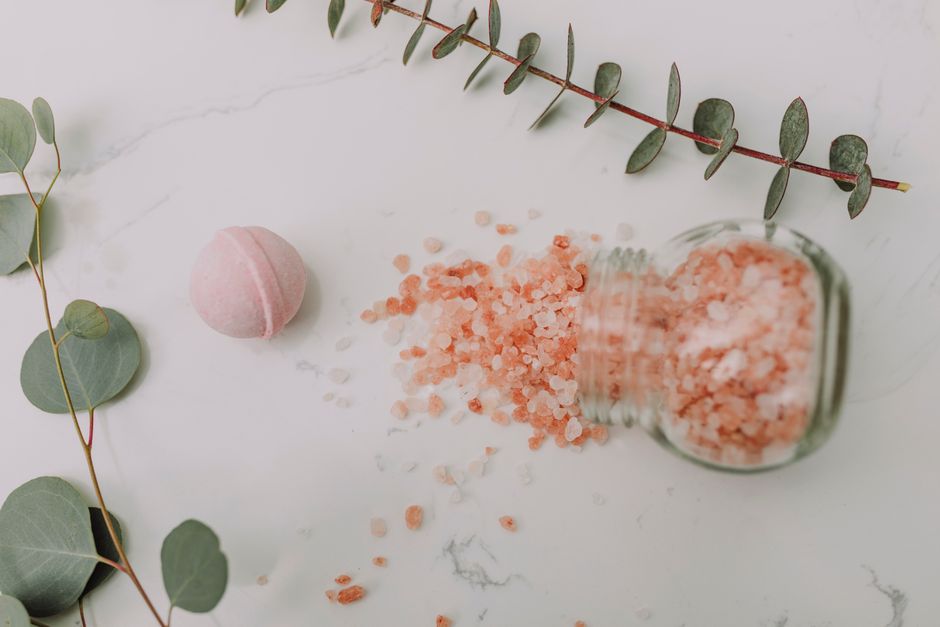
Drinking pink salt water does not cause weight loss. That is the honest answer, and it matters more than any tip, because the entire premise rests on a misunderstanding of what salt does in the human body. Pink salt — Himalayan pink salt, to name the popular version — is sodium chloride with trace minerals that give it a pink color. Those trace minerals are present in amounts too small to have any meaningful effect. Adding it to your water does not speed metabolism, burn fat, or flush calories out of your system.
What salt water can do is help you rehydrate if you are depleted in sodium, which is a real situation for some people under some conditions. That is a hydration topic, not a weight loss topic. The two get blurred together constantly online, and the blur is where people get misled. Here is what the evidence actually supports, what it does not, and how to think about salt and water honestly.
How To Drink Pink Salt For Weight Loss: What the Claim Actually Says
The claim usually goes like this: your body is dehydrated, your cells are clogged, and pink salt water restores electrolytes so your metabolism runs faster and you lose weight. Each part of that deserves a straight look.
Dehydration is real and common. Mild dehydration can affect how you feel and how your body performs. But correcting dehydration does not increase the number of calories you burn in any way that produces meaningful fat loss. Restoring normal hydration returns you to baseline. It does not push you above it.
The electrolyte framing is where the logic gets stretched. Sodium, potassium, magnesium, and chloride are genuinely important for nerve function, muscle contraction, and fluid balance. Pink salt does contain small amounts of magnesium, potassium, and calcium alongside the sodium. But the quantities are minor. You would get far more of those minerals from food. A banana, a potato, beans, leafy greens, and dairy all deliver potassium and magnesium in amounts that dwarf what a pinch of pink salt provides.
There is also a persistent idea that pink salt is “healthier” than regular table salt. Nutritionally, the difference is negligible. Both are roughly 98 percent sodium chloride. Table salt is often iodized, which matters because iodine is a nutrient many people do not get enough of. Pink salt is not iodized. So on that specific point, ordinary iodized table salt has an advantage, not a disadvantage.
Does Drinking Salt Water Burn Fat or Boost Metabolism?
No established mechanism links drinking salt water to fat burning. Fat loss happens when you take in fewer calories than you expend over time, or when your body draws on stored fat for energy during a sustained deficit. Sodium does not change that equation.
Water itself has a small, real effect on energy expenditure. Drinking water can slightly increase calorie burn for a short period, an effect sometimes called water-induced thermogenesis. Some studies have looked at this. The size of the effect is small and the research is not uniform in its findings. It is not a weight loss strategy on its own, and adding salt to the water does not amplify it.
What salt water can do is change the number on the scale in a way that feels like progress but is not fat loss. Sodium causes your body to hold onto water. If you have been eating very low sodium and then add salt water, you may retain fluid and your weight may go up, not down. The reverse is also true. Cutting sodium sharply can drop several pounds of water weight in a few days. That is water leaving your body, not fat. It comes back the moment you eat normally again.
This is the single most common way people fool themselves with salt and hydration routines. They see the scale move and assume it reflects fat. It almost never does over short periods.
When Salt Water Genuinely Helps (and When It Does Not)
There are real situations where replacing sodium and fluid together is the right call. These are hydration situations, not weight loss situations.
- Prolonged sweating from intense exercise, especially in heat, where you lose both water and sodium
- Illness with vomiting or diarrhea, where fluid and electrolytes are lost quickly
- Certain medical conditions where a clinician has specifically recommended sodium and fluid replacement
Outside those situations, most people eating a typical diet already get more sodium than they need. The concern for the general population runs in the opposite direction. Federal dietary guidance has long advised limiting sodium, with the general recommendation to keep intake under 2,300 milligrams per day for most adults. Average intake in the United States is well above that. Adding salt water on top of an already high-sodium diet moves you further from the target, not toward it.
For people with high blood pressure, heart failure, kidney disease, or a history of stroke, extra sodium is a genuine concern and salt water routines should not be started without a clinician’s input. This is not a caution to soften. It is the standard clinical position.
What About the “Electrolyte Balance” Argument?
Electrolyte balance matters. The body tightly regulates the concentration of sodium and potassium in and around your cells, and it does this automatically in healthy people. You do not need to micromanage it with salt water.
The one nutrient in this conversation that most people actually fall short on is potassium, not sodium. Potassium is found in fruits, vegetables, beans, and potatoes. Getting enough of it supports healthy blood pressure. The typical American diet is low in potassium and high in sodium — the opposite of what most people would benefit from.
If your goal is genuinely better hydration and mineral status, food and plain water cover it for the vast majority of people. There is no reliable evidence that pink salt water improves electrolyte status in someone eating a normal diet.
How Much Sodium Is Too Much?
The established reference point is 2,300 milligrams of sodium per day as an upper limit for most adults, per federal dietary guidelines. That equals about one teaspoon of salt. Many people exceed this without realizing it, because most sodium comes from processed and restaurant food rather than the shaker.
A single teaspoon of pink salt dissolved in water would put you at or above that daily limit in one drink. That is worth sitting with. A “pinch” is smaller, but the routine still adds sodium on top of whatever you are already eating.
If you have been told by a clinician to limit sodium, or you take medication for blood pressure, the math here is not in your favor. If you are a healthy person who sweats heavily during long exercise in the heat, a small amount of sodium in water can be reasonable. The context decides everything.
What Actually Works for Weight Loss
The evidence on weight loss is not mysterious, even though the marketing around it is. Sustainable fat loss comes from a calorie deficit you can maintain, adequate protein to preserve muscle, regular physical activity, and enough sleep. No drink, salt-based or otherwise, replaces those fundamentals.
Water does help, but for a boring reason. Drinking water before or with meals can help you feel full and may reduce how much you eat. That is a modest, real effect. It has nothing to do with salt.
If you like the taste of mineral water or you find a pinch of salt makes plain water easier to drink, there is no harm in that for most healthy people. Just do not expect it to do anything for fat loss. The benefit, if any, is that you drink more water. That is the whole story.
The Bottom Line on Pink Salt Water
Pink salt water is not a weight loss tool. It is salt and water. It can help with hydration in specific situations involving heavy sweating or fluid loss, and it can be a problem for people who need to limit sodium. The trace minerals in pink salt are too small in quantity to matter nutritionally, and the idea that it speeds metabolism or burns fat is not supported by evidence.
If you want to lose weight, the levers that work are the unglamorous ones: eat a bit less, move more, sleep enough, and be patient. If you want to hydrate well, plain water and a diet rich in fruits and vegetables will do more for your electrolyte status than any pink salt routine.
Frequently Asked Questions
Does drinking pink salt water help you lose weight?
No. There is no evidence that pink salt water causes fat loss, and any rapid change on the scale from sodium is water weight, not fat.
Is pink salt healthier than regular table salt?
Nutritionally they are nearly identical, both about 98 percent sodium chloride. Table salt is often iodized, which pink salt is not, giving regular iodized salt a nutritional edge.
How much sodium should I have per day?
Federal dietary guidance sets 2,300 milligrams per day as the upper limit for most adults, which equals about one teaspoon of salt. Many people already exceed this from processed foods.
When is salt water actually helpful?
It can help replace sodium and fluid lost through heavy sweating, vomiting, or diarrhea. For most people eating a normal diet, it adds sodium they do not need.
