
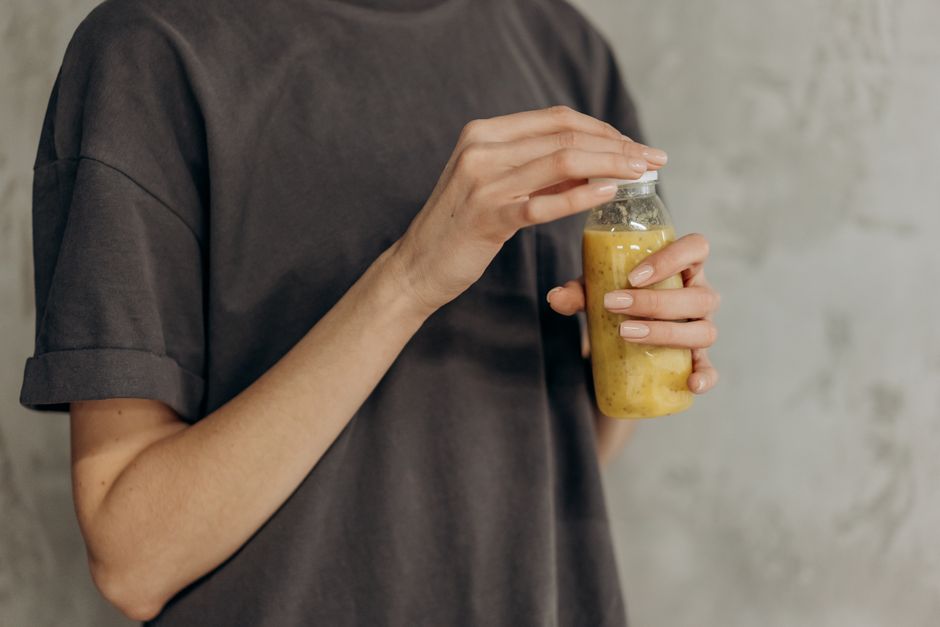
Drinking a small amount of olive oil before bed is a simple habit, but it is not a magic weight-loss trick. The evidence shows that olive oil supports heart health and helps with satiety, but consuming it at night does not directly burn fat. The most honest answer is that olive oil before bed may help you feel full and reduce late-night snacking, but weight loss still comes down to your overall daily calorie intake and activity level.
Does Drinking Olive Oil Before Bed Actually Help You Lose Weight?
The short answer is no, not by itself. Olive oil is a fat, and fat contains more calories per gram than protein or carbohydrates. A single tablespoon of olive oil has about 119 calories. Drinking it before bed adds calories to your day. If those calories push you past your daily energy needs, you will not lose weight.
That said, some research suggests that monounsaturated fats — the main type of fat in olive oil — can help with appetite control. When you eat fat, it slows down how quickly your stomach empties. This can make you feel fuller for longer. If a tablespoon of olive oil before bed stops you from raiding the pantry an hour later, it may indirectly support weight loss.
The key word is indirectly. Olive oil does not boost your metabolism while you sleep. It does not target belly fat. No study has shown that drinking olive oil at night produces weight loss on its own.
What Is the Right Amount of Olive Oil to Drink Before Bed?
Most clinical studies on olive oil use amounts between one and two tablespoons per day as part of a Mediterranean-style diet. For a before-bed habit, one teaspoon to one tablespoon is a reasonable range. Start with one teaspoon if you are new to this. Some people experience stomach discomfort or loose stools when they first consume oil on an empty stomach.
There is no official guideline that says you should drink olive oil at night. The evidence supports using olive oil as a daily cooking fat or salad dressing, not as a bedtime supplement. If you choose to drink it, keep the amount small and count those calories in your daily total.
Do not replace a meal with olive oil. That is not a safe or effective weight-loss strategy. Olive oil has no protein, no fiber, and very few vitamins. It cannot substitute for real food.
Which Type of Olive Oil Should You Choose?
Extra virgin olive oil is the only type worth considering for this purpose. It is made from the first cold pressing of olives and retains the highest levels of polyphenols — plant compounds with antioxidant and anti-inflammatory properties.
Regular or “light” olive oil undergoes more processing. It has fewer polyphenols and a milder flavor. It is still a healthy fat, but it does not offer the same benefits as extra virgin.
When you buy extra virgin olive oil, look for a dark glass bottle. Light degrades the oil over time. Check the harvest date on the label if possible. Fresher oil has more active polyphenols. Store it in a cool, dark cabinet — not next to the stove.
One caution: not everything labeled “extra virgin” meets the standard. Some commercial products are diluted with cheaper oils. Buying from a reputable brand or a source you trust reduces this risk.





Can Olive Oil Before Bed Improve Sleep or Digestion?
Some people report that a small amount of olive oil before bed settles their stomach. There is limited research on this specific claim. What is known is that fatty foods can slow digestion, which might help some people with acid reflux feel better — or worse, depending on the person.
For sleep, the evidence is indirect. The Mediterranean diet, which is rich in olive oil, has been associated with better sleep quality in some observational studies. This does not mean that a spoonful of olive oil at night will help you sleep. It likely reflects the overall pattern of eating, not a single food at a single time of day.
If you have GERD or frequent heartburn, be cautious. High-fat foods can relax the lower esophageal sphincter, which may allow stomach acid to flow back up. For some people, olive oil before bed makes reflux worse. If you notice this, stop the habit.
What Does the Research Actually Say About Olive Oil and Weight?
Research consistently shows that diets rich in olive oil — particularly the Mediterranean diet — are linked to lower body weight and less belly fat over time. The PREDIMED study, a large Spanish trial, found that participants assigned to a Mediterranean diet with extra virgin olive oil had a lower risk of weight gain compared to a low-fat diet group.
But these studies involve olive oil as part of a full dietary pattern. They do not test drinking olive oil before bed. The benefit comes from replacing less healthy fats — like butter, margarine, and processed oils — with olive oil, not from adding it on top of your current diet.
Some animal studies have looked at specific compounds in olive oil, like oleic acid and oleuropein, and their effects on fat metabolism. These findings are interesting but far from conclusive for humans. No large human trial has shown that olive oil consumed at night promotes fat loss.
How to Drink Olive Oil Before Bed Without Ruining Your Diet
If you want to try this habit, do it in a way that works with your overall calorie goal. Here is a practical approach:
- Measure your olive oil. Do not pour directly from the bottle. One teaspoon is about 5 grams. One tablespoon is about 15 grams.
- Count the calories. One teaspoon is roughly 40 calories. One tablespoon is roughly 119 calories.
- Consider mixing it with something. A teaspoon of olive oil in a cup of herbal tea is easier to swallow than straight oil. Some people add it to warm lemon water.
- Use it to replace a less healthy snack. If your habit is eating chips or cookies at night, a teaspoon of olive oil with a few olives or a small piece of cheese is a better choice.
- Pay attention to your body. If it causes nausea, reflux, or digestive upset, stop.
Do not expect results within a week. Weight loss from any dietary change takes time. If you are drinking olive oil but still eating more calories than you burn, the scale will not move.
Are There Any Risks to Drinking Olive Oil Before Bed?
For most healthy adults, a small amount of olive oil is safe. The main risk is adding unnecessary calories to your day. Another risk is digestive discomfort. Some people experience nausea, bloating, or diarrhea when consuming oil on an empty stomach.
If you have gallbladder disease or a history of pancreatitis, talk to your doctor before adding significant amounts of fat to your routine. Your body needs bile to digest fat, and conditions affecting the gallbladder or pancreas can make high-fat foods difficult to process.
Olive oil is not a medication. It does not have a therapeutic dose. It is a food. The FDA allows a qualified health claim for olive oil and heart health, but that claim is based on replacing saturated fats with monounsaturated fats — not on drinking it before bed.
What Works Better Than Olive Oil for Weight Loss at Night?
If your goal is to lose weight, the evidence is much stronger for a few other habits. A high-protein evening snack — like Greek yogurt, cottage cheese, or a boiled egg — supports muscle maintenance and satiety better than oil. Protein also has a higher thermic effect, meaning your body burns more calories digesting it.
A short evening walk after dinner helps regulate blood sugar and supports digestion. Some studies suggest that walking after a meal can reduce post-meal blood sugar spikes, which may help with long-term weight control.
Going to bed at a consistent time matters too. Short sleep is linked to increased hunger hormones and higher calorie intake the next day. If you have to choose between a spoonful of olive oil and an extra hour of sleep, choose the sleep.
Does Olive Oil Before Bed Help with Belly Fat Specifically?
No evidence supports the idea that olive oil targets belly fat. Spot reduction — losing fat from one specific area of the body — is not how fat loss works. When you lose weight, your body decides where fat comes off based on genetics, hormones, and sex. You cannot influence that by eating a particular food.
Some research on the Mediterranean diet shows a relationship between olive oil consumption and less abdominal obesity. But this is likely because the overall diet is lower in refined carbohydrates and processed foods. The olive oil is one part of a larger pattern, not the cause of belly fat loss on its own.
Frequently Asked Questions
Can I drink olive oil before bed on an empty stomach?
Yes, but start with one teaspoon to see how your body responds. Some people feel nauseous or get loose stools when they consume oil on an empty stomach.
Will olive oil before bed break my fast if I am intermittent fasting?
Yes. Olive oil contains calories, so it breaks a fast. If you are doing strict intermittent fasting, consume it only during your eating window.
How many calories are in a tablespoon of olive oil?
One tablespoon of olive oil has about 119 calories. One teaspoon has about 40 calories.
Is it better to drink olive oil or eat it with food?
Eating it with food is generally better for digestion and nutrient absorption. Drinking it straight offers no proven advantage over using it in a meal.
