

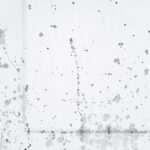
Mold is a symptom, not the problem. If you kill every visible patch but leave the water source that fed it, the mold returns — usually within weeks, sometimes sooner. Doing remediation yourself is realistic for small areas, roughly under 10 square feet of visible growth, on hard surfaces like tile, glass, metal, or painted wood. Anything larger, or any growth inside wall cavities, HVAC systems, or on porous materials like drywall and carpet, is a job for a professional. The steps below cover the DIY range honestly, including where you should stop.
How To Do Mold Remediation Yourself Step By Step
The core sequence is simple: fix the moisture, protect yourself, contain the area, remove the mold, clean what remains, dry everything thoroughly, and verify it stayed dry. Skipping the moisture fix makes every other step pointless.
Here is the order that matters.
- Find and stop the water source. A leak, condensation, high humidity, or a past flood. Until this is fixed, remediation is temporary.
- Assess the size. Under about 10 square feet of visible mold on a hard surface is reasonable to handle yourself. Larger areas need a professional.
- Protect yourself. N95 respirator, goggles, gloves, and clothing you can wash or discard.
- Contain the area. Plastic sheeting and tape to keep spores from spreading to other rooms.
- Remove the mold. Scrub hard surfaces. Discard porous materials — they cannot be cleaned.
- Dry completely. Within 24 to 48 hours of the moisture event is the target. Fans and dehumidifiers, not just open windows.
- Verify. Check for musty odors, discoloration, and moisture readings over the following days and weeks.
The Environmental Protection Agency publishes guidance for homeowners on mold cleanup, and it draws a similar line around the 10-square-foot threshold. That number is a practical cutoff, not a scientific boundary. It reflects when the risk of spreading spores and the difficulty of containment start to outweigh what a homeowner can safely manage.
When Should You Call a Professional Instead?
Call a professional when the mold covers more than roughly 10 square feet, when it is inside walls, ceilings, or under flooring, or when it followed a sewage leak or long-standing water intrusion. Those situations involve hidden growth and sometimes contaminated water that a homeowner cannot safely handle.
There are specific red flags worth naming:
- Mold in the HVAC system or ductwork
- Growth on structural wood or inside wall cavities
- Any mold after a sewage backup or category 3 water event
- Anyone in the home with a compromised immune system, severe asthma, or known mold allergy
- A musty smell with no visible source
That last one is easy to dismiss. A persistent musty odor with no visible mold usually means hidden growth, and hidden growth needs investigation before it needs cleaning.
What Safety Gear Do You Actually Need?
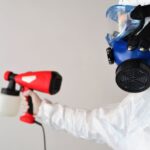
At minimum, an N95 respirator, eye protection, and gloves. These are not optional. Disturbing mold releases spores into the air, and inhaling them is the main exposure route.
The N95 rating means it filters at least 95 percent of airborne particles when properly fitted. That is a meaningful reduction, though it is not a guarantee of zero exposure. Fit matters as much as the rating. A loose mask lets air bypass the filter.
For larger jobs that sit near the professional threshold, some people step up to a P100 respirator. That is a reasonable precaution, though there is no formal guideline that draws a line between the two for home remediation. Use judgment.
Beyond the respirator:
- Sealed goggles or safety glasses — spores irritate eyes
- Nitrile or rubber gloves
- Clothing you can wash in hot water afterward or throw away
- Rubber boots if the area is wet
Do not eat, drink, or smoke in the work area. Wash your hands and face when you take a break, and shower after you finish.



How Do You Contain the Area and Remove the Mold?
Containment keeps spores from drifting into clean rooms. Seal off the work area with plastic sheeting and tape, and if possible, set up a fan to blow air out a window rather than into the rest of the house. That negative-pressure setup is standard in professional remediation, and a simplified version is worth doing at home.
For removal, the method depends on the surface.
Hard, non-porous surfaces — tile, glass, metal, sealed countertops — can be scrubbed with a detergent solution and water. A stiff brush or scrub pad works. The goal is to physically remove the mold, not just bleach the color away.
Porous materials — drywall, ceiling tiles, carpet, insulation, upholstered furniture — generally cannot be cleaned. Mold grows into the material, and surface cleaning leaves the roots behind. These items usually need to be removed and discarded.
A common question is whether bleach is the answer. Bleach can kill mold on hard non-porous surfaces, but it is not a magic solution. It does not penetrate porous materials, and it can be hazardous in enclosed spaces. The EPA does not recommend bleach as a routine mold cleanup method. Detergent and water, plus physical scrubbing, is the more standard approach.
Do not sand moldy surfaces. Sanding aerosolizes spores and makes the problem worse.
How Do You Dry Everything and Prevent It From Coming Back?
Drying is the step most people rush, and it is the one that decides whether the mold returns. Mold needs moisture to grow. Remove the moisture and you remove the conditions.
The target is to dry wet materials within 24 to 48 hours of a water event. That window comes from established restoration practice — the longer materials stay wet, the more likely mold establishes itself.
Use fans and a dehumidifier together. Open windows help only if outdoor humidity is low. In a humid climate, opening windows can add moisture rather than remove it.
For prevention going forward:
- Fix leaks promptly, even small ones
- Keep indoor humidity below about 60 percent, ideally between 30 and 50 percent
- Use exhaust fans in bathrooms and kitchens
- Vent clothes dryers and other appliances outdoors
- Check for condensation on windows and cold pipes
Those humidity figures come from general indoor air guidance, and they are a reasonable target rather than a hard rule. A hygrometer — an inexpensive device that measures humidity — takes the guesswork out of it.
Does DIY Remediation Actually Work?
For small areas on hard surfaces with a fixed moisture source, DIY remediation can work. The evidence for this is largely practical and observational rather than from controlled trials. There is no large body of research comparing DIY and professional outcomes directly.
What is well established is the mechanism. Mold requires moisture. Remove the moisture and the food source, and mold cannot sustain growth. That part is not in dispute.
What is also established is that disturbing mold without containment spreads spores. This is why the size threshold and containment steps exist. A small patch handled carelessly can contaminate a larger area than the original growth.
Where the evidence gets thinner is in health outcomes. Mold exposure is associated with respiratory symptoms, especially in people with asthma or allergies, but the research on how much exposure causes what effect is not settled. This is one reason the guidance leans toward removal and moisture control rather than toward any specific cleaning product claim.
Be skeptical of products marketed as mold “cures” or “preventives.” No product removes the need to fix the water source. If a label promises to stop mold permanently without addressing moisture, that claim does not hold up.
Frequently Asked Questions
Can I remove mold myself?
Yes, for small areas of visible mold — roughly under 10 square feet — on hard, non-porous surfaces, once you have fixed the moisture source. Larger areas, hidden growth, or mold on porous materials are best handled by a professional.
Does bleach kill mold permanently?
Bleach can kill mold on hard non-porous surfaces, but it does not penetrate porous materials and does not prevent mold from returning if moisture remains. The EPA does not recommend bleach as a routine mold cleanup method.
What kills mold and keeps it from coming back?
Controlling moisture is what keeps mold from returning — no cleaning product substitutes for that. Fix leaks, keep indoor humidity between about 30 and 50 percent, and dry wet materials within 24 to 48 hours.
Is it safe to sleep in a room with mold?
There is no single safe-or-unsafe answer, and the research on health effects from mold exposure is not fully settled. People with asthma, allergies, or weakened immune systems face higher risk, and the general guidance is to remove the mold and fix the moisture rather than to live with it.
