
Aromatherapy is the practice of using essential oils extracted from plants to support physical or emotional well-being. To do it, you inhale the scent of the oils, apply them to your skin in a diluted form, or use them in a bath. The most common and safest way to start is with a simple diffuser that disperses a fine mist of the oil into the air.
What Do You Need To Start Aromatherapy?
You need three basic things: a source of essential oil, a way to disperse it, and a carrier oil if you plan to apply it to your skin. Essential oils are highly concentrated plant extracts. They are potent, so they are rarely used undiluted.
For inhalation, a diffuser is the most straightforward tool. You add water and a few drops of oil to the unit, and it releases the scent into the room. Alternatively, you can place a drop or two on a tissue or cotton ball and inhale directly. This method is simpler and requires no equipment.
For skin application, you must mix the essential oil with a carrier oil. Common carrier oils include jojoba, sweet almond, coconut, or fractionated coconut oil. These dilute the essential oil so it does not irritate your skin.
How Do You Choose A Quality Essential Oil?
Quality matters because the market is not tightly regulated. Some products labeled as essential oils are synthetic fragrances or diluted with cheaper oils. These will not provide the same aromatic profile and may contain additives that are not intended for inhalation or skin contact.
Look for a label that states the botanical name of the plant. For example, lavender should list Lavandula angustifolia. This confirms you are getting a specific species rather than a generic blend. The label should also indicate that the oil is 100% pure essential oil with no added fragrance or carrier oil.
Dark glass bottles are a good sign. Essential oils degrade in light, so amber or cobalt blue bottles protect the oil’s chemical structure. If the oil comes in a clear plastic bottle, it is likely lower quality.
How To Use A Diffuser Safely
Using a diffuser is simple, but there are rules. Add water to the fill line, then add three to five drops of essential oil. Start with fewer drops. You can always add more, but you cannot remove an overpowering scent.
Run the diffuser in short intervals. Many experts recommend using it for 15 to 30 minutes at a time, then taking a break. Continuous use over many hours can irritate the airways, especially for people with asthma or sensitivity to strong smells.
Place the diffuser in a well-ventilated area. Do not place it directly next to your face or in a small, closed room. Keep it out of reach of children and pets. Cats, in particular, are sensitive to many essential oils and should not be in a room with a running diffuser.





How To Apply Essential Oils To Your Skin
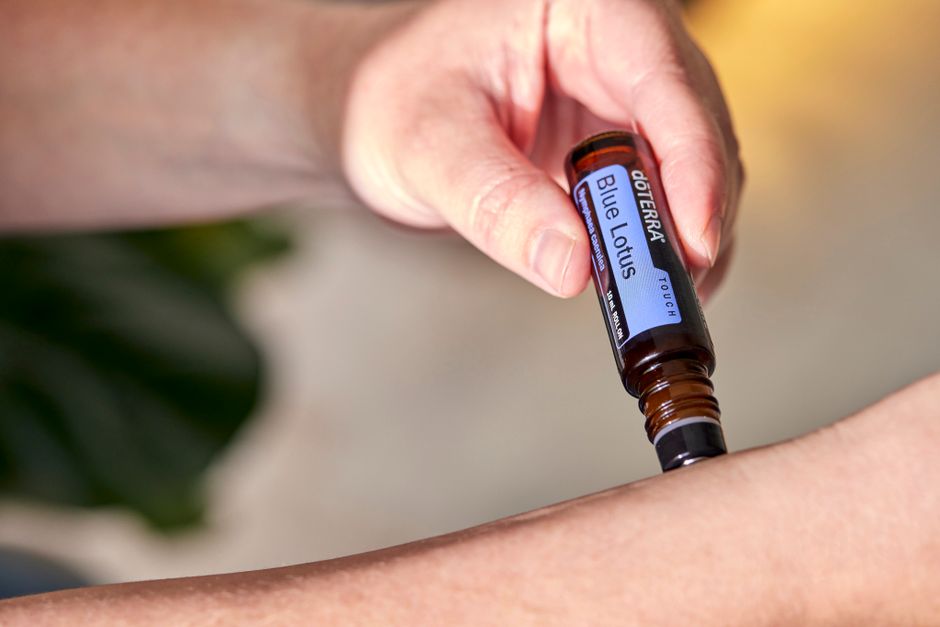
Skin application requires dilution. The general guideline for adults is a 2% dilution, which means about 12 drops of essential oil per ounce (30 mL) of carrier oil. For sensitive skin, children, or the elderly, a lower dilution of 0.5% to 1% is safer.
Do a patch test before applying a new oil to a larger area. Apply a small amount of the diluted mixture to the inside of your forearm. Wait 24 hours. If you see redness, itching, or swelling, do not use that oil on your skin.
Common application points include the wrists, temples, the back of the neck, and the soles of the feet. These areas have good blood flow, which helps the oil absorb. Avoid the eyes, inner ears, and any broken or irritated skin.
How To Use Essential Oils In A Bath
Adding essential oil directly to bath water is not recommended. Oils do not dissolve in water. Undiluted drops will float on the surface and can cause skin irritation or sensitization.
Instead, mix your essential oil with a dispersant first. A tablespoon of a carrier oil, full-fat milk, or a handful of Epsom salts will help the oil spread through the water. Add five to eight drops of essential oil to the dispersant, then add that mixture to the running bath.
Soak for no more than 15 to 20 minutes. Longer exposure can dry the skin or increase the chance of irritation. Rinse off with plain water after the bath if your skin feels oily or sticky.
Which Essential Oils Are Commonly Used And For What?
Lavender is the most studied essential oil for relaxation and sleep support. Some research has found it may improve sleep quality in people with mild insomnia. It is also one of the gentler oils, making it a reasonable starting point.
Peppermint oil is often used for alertness and headache relief. Studies have shown that topical application of diluted peppermint oil can help with tension headaches. It has a cooling sensation that many people find refreshing.
Eucalyptus oil is commonly used for respiratory congestion. Inhaling eucalyptus steam or diffused oil may help open airways. However, it is stronger than lavender or peppermint, so use fewer drops.
Tea tree oil is used for its antibacterial properties, primarily in skincare. It is not typically used for relaxation. It has a strong medicinal smell and is more likely to cause skin irritation than other oils.
Citrus oils like lemon and sweet orange are used for mood elevation and cleaning. They are phototoxic, meaning they can cause skin burns if you go into sunlight shortly after applying them to your skin. Do not apply citrus oils to skin that will be exposed to sun.
What Are The Risks And Side Effects?
Essential oils are not harmless just because they are natural. They are concentrated chemicals that can cause allergic reactions, skin burns, and respiratory irritation.
Never ingest essential oils. Swallowing them can cause serious harm, including damage to the esophagus and liver. Some oils are toxic even in small amounts. If you want to use essential oils internally, that is a decision that should only be made with a qualified healthcare provider, and there is little evidence to support internal use for most conditions.
Some people experience headaches or nausea from strong scents. If this happens, stop using the oil and ventilate the room. Sensitivity varies widely between individuals.
Certain groups need extra caution. Pregnant women should consult their obstetrician before using essential oils, as some oils may stimulate uterine contractions. People with asthma should use extreme caution with diffusers, as strong scents can trigger attacks. Infants and young children should not be exposed to essential oil diffusers in enclosed spaces.
Does Aromatherapy Actually Work?
The evidence for aromatherapy is mixed. For relaxation, stress reduction, and sleep support, some clinical trials show modest benefits. Lavender, in particular, has been studied for anxiety and sleep with generally positive results.
For other claims, the evidence is weaker. There is no strong clinical evidence that aromatherapy can cure infections, treat chronic diseases, or replace standard medical treatments. Some marketing claims go far beyond what research supports.
The mechanism is not fully understood. The leading theory is that scent molecules bind to receptors in the nose, which send signals to the brain’s limbic system. This area regulates emotions and memory. This explains why smells can trigger strong emotional responses, but it does not prove that every oil has a specific medicinal effect.
Some research suggests that the act of pausing to inhale a pleasant scent may itself reduce stress, regardless of the oil used. This means part of the benefit may come from the ritual, not the chemistry.
Frequently Asked Questions
How many drops of essential oil should I use in a diffuser?
Start with three to five drops per 100 mL of water. Increase the amount only if the scent is too faint for you.
Can I put essential oils directly on my skin?
No, you should always dilute essential oils in a carrier oil before applying them to your skin. Undiluted oils can cause irritation, burns, or allergic reactions.
How long should I run a diffuser?
Run it for 15 to 30 minutes at a time, then turn it off. Continuous use for hours can irritate your airways and overwhelm your sense of smell.
Are essential oils safe for pets?
Many essential oils are toxic to cats and dogs, especially when diffused in enclosed spaces. Keep pets out of the room while you use a diffuser.
