
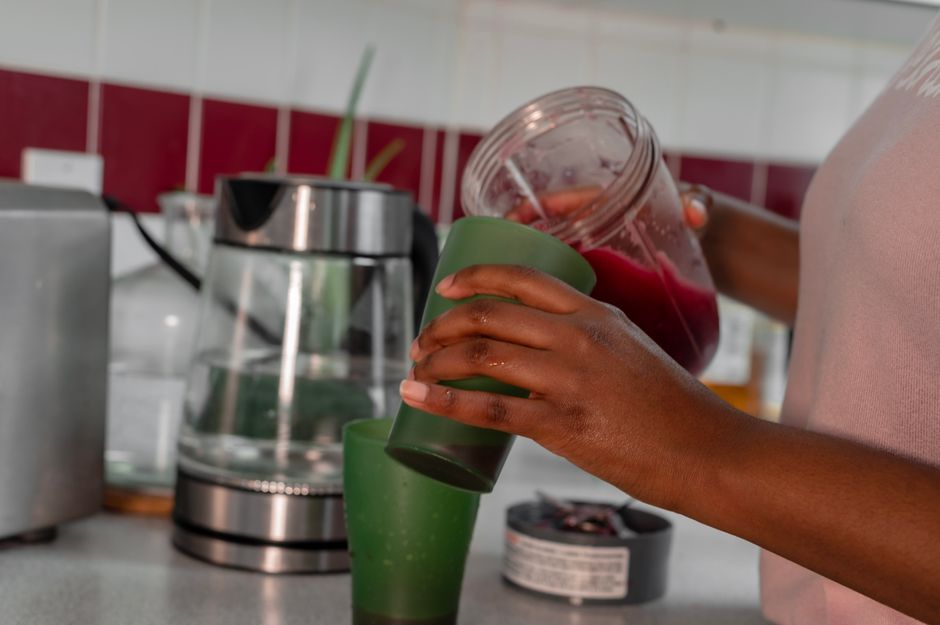
A liquid diet replaces all solid food with liquids. It is usually a short-term medical tool, not a long-term eating plan. There are two main types: clear liquid diets and full liquid diets. What you can eat and what you should expect depend on which type you follow and why you are using it.
How To Do A Liquid Diet What To Eat And Expect
To do a liquid diet safely, you need to know which type your doctor recommends. A clear liquid diet includes only transparent liquids that leave little residue in your digestive tract. A full liquid diet includes all clear liquids plus thicker liquids like milk, smoothies, and strained soups. The main rule is that everything must be liquid at room temperature or melt into liquid. You do not chew any food. If you are following a medically prescribed liquid diet, your doctor or dietitian will give you a specific list of allowed foods and the expected duration.
What Is a Liquid Diet?
A liquid diet is a way of eating where you consume only liquids and foods that turn into liquid at body temperature. Doctors prescribe liquid diets for specific medical reasons. The two main categories are clear liquid diets and full liquid diets. Clear liquid diets are used for short periods before medical tests or after surgery. Full liquid diets are used when you need more nutrition but still cannot handle solid food, such as after certain surgeries or during digestive flare-ups.
Clear liquid diets provide fluid and electrolytes but very few calories and almost no protein. Full liquid diets can be nutritionally adequate if planned properly. Neither diet is meant to be followed for long without medical supervision.
What Can You Eat on a Clear Liquid Diet?
A clear liquid diet includes only liquids you can see through. Common foods and drinks include:
- Water (plain or flavored without pulp)
- Clear broths (chicken, beef, or vegetable)
- Clear fruit juices without pulp (apple, white grape, cranberry)
- Gelatin (like Jell-O, but not red if you are preparing for a colonoscopy)
- Popsicles (without fruit chunks or dairy)
- Plain tea and black coffee (no milk or creamer)
- Sports drinks and clear electrolyte solutions
- Honey and sugar (can be added to drinks)
You cannot have anything with solid particles, dairy, cream, or pulp. This diet provides minimal nutrition. Most people cannot stay on it longer than a day or two without developing hunger, fatigue, and weakness.



What Can You Eat on a Full Liquid Diet?
A full liquid diet includes all clear liquids plus thicker liquids that may be opaque. It provides more calories and protein. Allowed foods include:
- Clear liquids from the list above
- Milk, buttermilk, and lactose-free milk
- Yogurt (plain or strained, no fruit chunks)
- Cream soups (strained, no solid vegetable or meat pieces)
- Smoothies made from allowed fruits (pureed and strained)
- Protein shakes and nutrition drinks (like Ensure or Boost)
- Melted ice cream or frozen yogurt (no chunks)
- Pudding, custard, and plain gelatin
- Mashed potatoes or pureed vegetables thinned to liquid
- Strained porridge or cream of wheat (thin consistency)
A full liquid diet can meet most nutritional needs if it includes a variety of protein, fat, and carbohydrate sources. Many people use liquid nutrition supplements to ensure adequate vitamins and minerals.
What to Expect on a Liquid Diet
Expect to feel hungry, especially during the first two days. Your stomach is used to processing solid food. Hunger usually lessens after your body adjusts. You may feel tired and weak because liquid diets, especially clear ones, provide fewer calories than your body is used to.
Bowel movements often change. On clear liquids, you may have fewer bowel movements. On full liquids you may have looser stools. If you are preparing for a medical procedure, the diet is designed to clear your colon. After surgery or a digestive flare, the liquid diet gives your gut a rest.
Possible side effects include headache, dizziness, irritability, and difficulty concentrating. These are common with calorie restriction and usually improve within a few days. Dehydration can occur if you do not drink enough. Follow your doctor’s instructions about fluid intake.
If you are on a liquid diet for more than a few days, you may start to lose muscle mass. Protein intake on clear liquid diets is very low. Full liquid diets should include protein sources like milk, yogurt, or protein supplements to reduce muscle loss.
Who Should Use a Liquid Diet
Liquid diets are not for general health or casual weight loss. They are medical tools used in these situations:
- Before certain medical tests or procedures, such as a colonoscopy or some types of surgery
- After gastrointestinal surgery or other operations where solid food could harm healing
- During severe digestive disease flare-ups, such as Crohn’s disease, ulcerative colitis, or diverticulitis
- After a stroke or dental surgery when chewing or swallowing is difficult
- For short-term bowel rest in pancreatitis or other acute conditions
Some people try liquid diets for weight loss. This is not generally recommended without medical supervision. Significant calorie restriction can lead to nutrient deficiencies and can slow your metabolism. Weight lost quickly often returns when you resume solid food.
Is a Liquid Diet Safe for Weight Loss?
Liquid diets are not designed for weight loss. If you drastically cut calories by switching to liquids, you will lose weight. But much of that weight is water and muscle, not fat. The weight loss is rarely sustainable.
No large human studies confirm that liquid diets are safe or effective for long-term weight management. Some medically supervised very low-calorie diets use liquid meal replacements, but these include protein, vitamins, and minerals, and are monitored by healthcare providers. Over-the-counter juice cleanses and “detox” liquid diets are not supported by evidence. They can cause electrolyte imbalances, fatigue, and rebound weight gain.
If you want to lose weight, a balanced diet with whole foods and a modest calorie deficit is safer and more effective than a liquid diet. Talk to your doctor before starting any restrictive eating plan.
How to Transition Off a Liquid Diet
Returning to solid food should be gradual. Your digestive system needs time to adjust. Start with soft, easy-to-digest foods. Common transition foods include: applesauce, cooked cereals, yogurt, scrambled eggs, mashed potatoes, and well-cooked vegetables.
Introduce one new food at a time. Wait a day to see how your body handles it. Avoid high-fiber foods, fatty foods, and spicy foods at first. Follow your doctor’s specific instructions. If you had surgery or a medical procedure, your care team will tell you when and how to advance your diet.
If you experience nausea, vomiting, bloating, or pain when adding solid foods, go back to the full liquid diet and contact your doctor. Some people need to stay on a full liquid diet longer than planned.
Frequently Asked Questions
How long can you stay on a liquid diet?
Clear liquid diets should last no more than one to three days. Full liquid diets can be used up to two weeks with medical supervision. Longer use requires nutritional supplements to prevent deficiencies.
Can you lose weight on a liquid diet?
You can lose weight in the short term, but most of the loss is water and muscle. The weight often returns when you resume solid food. Liquid diets are not recommended for weight loss without medical supervision.
What can you eat on a clear liquid diet?
You can eat clear broths, clear fruit juices without pulp, gelatin, popsicles, plain tea, black coffee, and water. No dairy, solid pieces, or pulp is allowed.
Is a liquid diet safe?
It is safe for short-term medical use under a doctor’s direction. Prolonged use without supervision can lead to nutrient deficiencies, muscle loss, and other complications. Always follow medical guidance.
