
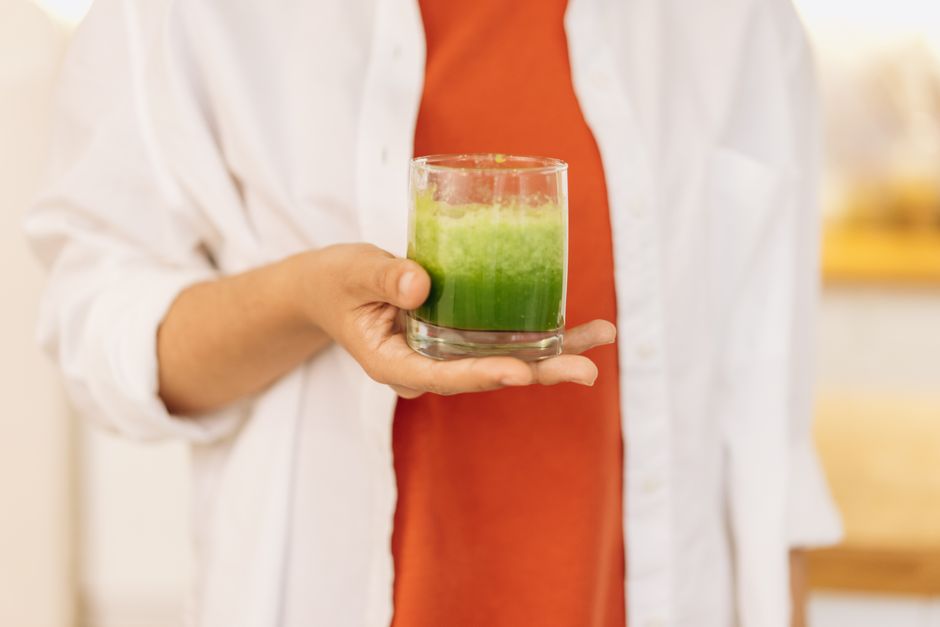
Your kidneys filter about 200 quarts of blood every single day. They remove waste, balance fluids, and regulate blood pressure without any help from you. A kidney detox is not something you perform — it is something your body already does continuously. No juice cleanse, tea, or supplement has been shown to improve kidney function in healthy people, and some marketed “detox” products can actually harm the kidneys.
What Does a Kidney Detox Actually Claim to Do?
Most kidney detox products promise to “flush out toxins,” dissolve kidney stones, or “reset” kidney function. These claims sound plausible because the kidneys do remove waste. But the products being sold rarely have anything to do with how that process works.
Common detox offerings include herbal teas, cranberry pills, dandelion extracts, apple cider vinegar drinks, and multi-day juice fasts. Some are harmless. Some are not. The word “detox” itself has no medical meaning. It is a marketing term, not a clinical one.
Your kidneys are already filtering your blood right now. They do not need to be cleansed, flushed, or reset. What they need is for you to not interfere with them.
How Do Your Kidneys Remove Waste on Their Own?
Each kidney contains roughly a million tiny filtering units called nephrons. Blood enters these filters under pressure. Small molecules — urea, creatinine, excess salts, and water — pass through. Larger molecules like proteins and blood cells stay in the bloodstream.
What filters out becomes urine. From there, your kidneys fine-tune what gets reabsorbed. If you are dehydrated, they hold onto water. If you have too much sodium, they release it. This balancing act happens automatically, governed by hormones and tiny sensors inside the kidney tissue.
This system runs 24 hours a day. It does not take breaks. It does not need a restart. And it does not get “clogged” the way a drain does — a comparison detox marketers rely on but that does not reflect kidney anatomy.
One thing worth knowing: your kidneys have significant reserve capacity. You can lose a large portion of kidney function before blood tests show a problem. That is why kidney disease is often called silent. It is also why “feeling fine” is not proof your kidneys are healthy.
Why “Flushing Toxins” Is Not a Real Medical Process
The word “toxin” gets used loosely in detox marketing. In medicine, toxins are specific substances — certain drugs, heavy metals, bacterial compounds. Your kidneys do clear some of these. But drinking more water or taking an herbal supplement does not speed that process beyond what your kidneys already do.
Water helps your kidneys work well. That part is true. Staying hydrated means your urine is more diluted, which makes it harder for minerals to clump together and form stones. But drinking excessive water does not “flush” anything extra. It just makes you urinate more.
In rare cases, drinking extreme amounts of water quickly can dilute your blood sodium to dangerous levels. This condition, called hyponatremia, can be serious. More water is not always better.
No clinical evidence currently confirms that any commercial detox product improves kidney filtration, removes accumulated “toxins,” or prevents kidney disease in healthy adults.




Can Detox Products Harm Your Kidneys?
Yes. Some can. This is not a theoretical concern.
Certain herbal ingredients have been linked to kidney injury. These include aristolochic acid (found in some traditional herbal remedies), high-dose vitamin C in susceptible people, and various unregulated supplements that contain undisclosed ingredients or contaminants. Because dietary supplements are not reviewed for safety before they are sold in the US, what is on the label may not match what is in the bottle.
People with existing kidney disease, diabetes, high blood pressure, or heart failure face higher risk. So do older adults, whose kidneys have less reserve. If you take prescription medications, some detox products can interact with them or change how your body processes them.
If you are considering any supplement marketed for kidney health, talk to your doctor first. That is not a throwaway line. It is the single most useful step you can take.
What Actually Supports Kidney Health?
The habits that protect your kidneys are unglamorous and well established. None of them involve a cleanse.
- Control blood pressure. High blood pressure is a leading cause of kidney damage. Keeping it in a healthy range protects the small blood vessels inside your kidneys.
- Manage blood sugar. Diabetes is the most common cause of kidney failure in the US. Blood sugar control matters enormously.
- Stay hydrated, but normally. Drink when you are thirsty and aim for pale yellow urine. There is no single correct number of glasses that applies to everyone.
- Limit NSAIDs. Regular use of ibuprofen, naproxen, and similar pain relievers can reduce kidney function over time, especially in higher doses.
- Eat less processed food. Processed foods are high in sodium and phosphorus additives, both of which put extra load on the kidneys.
- Do not smoke. Smoking reduces blood flow to the kidneys and speeds kidney decline.
- Get tested if you are at risk. A simple blood test (creatinine, used to estimate filtration rate) and a urine test (for protein) can detect kidney problems early.
Diet matters too. Research consistently shows that patterns like the DASH diet — rich in fruits, vegetables, whole grains, and low-fat dairy — support both blood pressure and kidney health. That is a dietary pattern, not a detox.
Who Actually Needs Medical Help for Their Kidneys?
Some people do need medical treatment for kidney problems. But that treatment looks nothing like a detox.
If your kidneys are failing, a doctor may prescribe medications to control blood pressure, blood sugar, or protein loss in urine. In advanced kidney disease, treatments like dialysis or transplant may be needed. These are medical interventions based on decades of research. They are not alternatives to a cleanse, and a cleanse is not an alternative to them.
Signs that warrant a doctor’s visit include swelling in your legs or ankles, foamy urine, blood in urine, persistent fatigue, or a noticeable drop in how often you urinate. These symptoms can have many causes, and only testing can tell you what is going on.
If you have a kidney stone, your doctor may recommend drinking more water or adjusting your diet based on the stone’s composition. That is targeted medical advice, not a general detox.
Where Did the Kidney Detox Idea Come From?
The idea that organs accumulate “toxins” that must be periodically cleared has roots in alternative medicine traditions going back more than a century. It predates modern understanding of kidney physiology.
What changed is the marketing. Detox products are now a multi-billion-dollar industry. Social media amplifies testimonials that cannot be verified. A person who feels better after a juice cleanse may be experiencing the effects of hydration, reduced alcohol, or simply the placebo effect — not toxin removal.
That does not mean the person is lying. It means the explanation they were given may not be correct.
What Should You Do Instead of a Kidney Detox?
If you want to support your kidneys, focus on the basics. Manage your blood pressure and blood sugar. Drink water normally. Eat real food more often than processed food. Go easy on pain relievers. Do not smoke. Get your kidney function checked if you have risk factors like diabetes, high blood pressure, heart disease, or a family history of kidney failure.
If a product promises to detox your kidneys, ask what evidence supports that claim. In most cases, there is none. The most honest thing a kidney detox can do is separate you from your money — and in some cases, cause harm.
Frequently Asked Questions
Do I need a kidney detox?
No. Healthy kidneys filter waste continuously without any external help, and no clinical evidence shows that detox products improve kidney function. If you have kidney disease, you need medical care, not a cleanse.
Can drinking more water detox my kidneys?
Staying hydrated helps your kidneys work well and reduces the risk of kidney stones, but extra water does not “flush toxins” beyond what your kidneys already remove. Drinking extreme amounts quickly can dangerously dilute blood sodium.
Are kidney detox teas or supplements safe?
Not necessarily. Some herbal ingredients and unregulated supplements have been linked to kidney injury, and supplements are not reviewed for safety before sale in the US. Talk to your doctor before taking any product marketed for kidney health.
How can I tell if my kidneys are healthy?
Blood and urine tests are the only reliable way to check kidney function, since early kidney disease usually causes no symptoms. Ask your doctor about testing if you have diabetes, high blood pressure, or a family history of kidney problems.
