
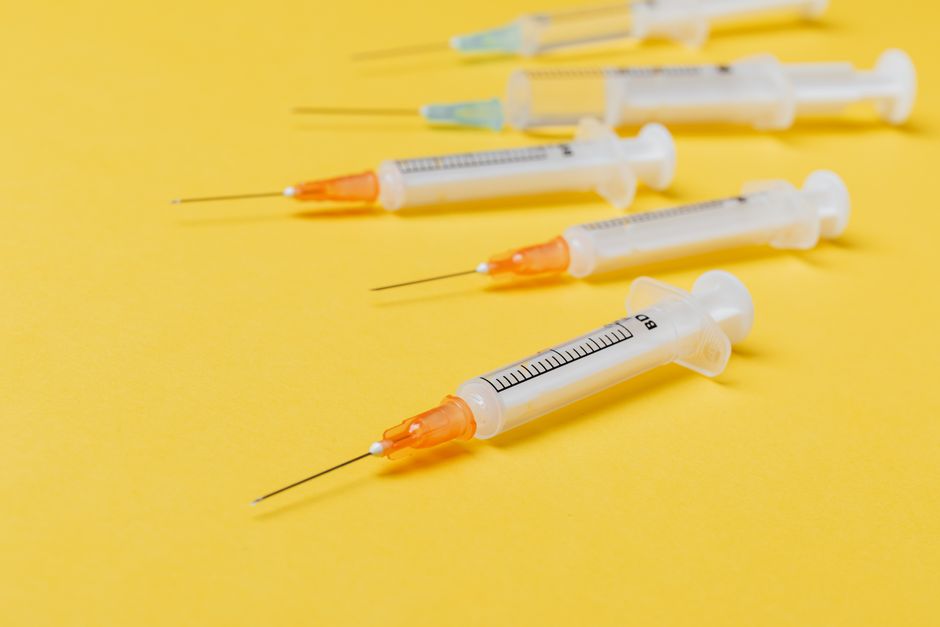
Sharps containers hold used needles, lancets, and other items that can cut skin and carry blood. Disposing of them safely means using a rigid, puncture-resistant container with a secure lid, keeping it out of household trash and recycling, and taking it to a drop-off site, mail-back program, or household hazardous waste facility. Never recap a used needle by hand, never press down on an overfilled container, and never place loose sharps in a trash bag where they can injure sanitation workers.
The rules vary by state and county, so the exact drop-off options near you will depend on where you live. The core safety principles do not vary. This guide covers what counts as a sharp, how to fill and seal a container, where it can legally go, and what to do if someone gets stuck.
What Counts as a Sharp and Why Disposal Matters
A sharp is any device or object that can puncture or cut skin and may carry blood or other body fluids. That includes needles, syringes with attached needles, lancets, pen needles for insulin, and auto-injector devices. It also covers broken glass from a home blood-testing kit and any sharp item contaminated with blood.
The risk is not theoretical. A used needle can carry bloodborne viruses, including hepatitis B, hepatitis C, and HIV. The danger extends beyond the person who used it. Waste handlers, recycling workers, and family members can be injured by sharps that end up loose in the trash.
This is why loose needles in a garbage bag are a genuine hazard rather than just a housekeeping annoyance. Recycling facilities sort material by hand and by machine. A needle that reaches a sorting line can injure a worker who never expected to encounter one.
How To Dispose Of Sharps Containers Safely at Home
Start with an approved sharps container. These are sold at pharmacies and online, and they are made of rigid plastic with a lid that locks or snaps shut. If you cannot get one, the U.S. Food and Drug Administration advises using a sturdy household container made of heavy-duty plastic, such as a laundry detergent bottle, with a screw-on lid. Label it clearly as sharps waste.
What not to use matters just as much. Do not use a glass jar, a thin plastic bottle, a coffee can with a loose lid, or a paper or plastic bag. These can break or open under pressure.
Follow these steps to fill and handle the container:
- Place the container upright and out of reach of children and pets.
- Drop used sharps in point-first. Do not push them down or force them.
- Do not recap needles by hand. If recapping is unavoidable, use a one-handed scoop method or a recapping device.
- Do not bend, break, or snap needles before disposal.
- Stop using the container when it is about three-quarters full, before it reaches the top.
- Seal the lid tightly. Use tape around the lid if the container does not lock.
The three-quarters rule is not arbitrary. An overfilled container is where most needlestick injuries at home happen, because the next sharp does not fit and the hand pushes harder than it should.
Where Can You Take Full Sharps Containers?
Options vary by location, but most communities offer at least one of the following. Check with your local health department or sanitation service to confirm what is accepted near you.
- Drop-off collection sites. Many pharmacies, hospitals, clinics, and public health offices accept full sharps containers. Some are free and some charge a fee.
- Mail-back programs. You buy a prepaid, approved shipping container, fill it, seal it, and mail it to a disposal facility. These are widely used in rural areas where drop-off sites are far away.
- Household hazardous waste facilities. Many accept sharps on designated collection days.
- Syringe exchange programs. Where these exist, they often accept used sharps.
- Special collection events. Some municipalities run periodic collection days for medical waste.
Not every pharmacy takes them back, even large chains. It is worth calling ahead rather than showing up with a full container.
Can You Put Sharps in the Regular Trash?
In most states, no. Loose sharps in household trash are prohibited in many jurisdictions, and where home disposal is allowed, it usually requires a sealed, rigid, clearly labeled container rather than loose items. The rules differ from state to state, and some states allow home disposal in a properly sealed container while others require drop-off.
Even where trash disposal of a sealed container is permitted, it is not the safest option. The container can break open in a garbage truck or at a landfill. A drop-off or mail-back program keeps sharps out of the general waste stream entirely.
Never place sharps in recycling. A single needle can shut down a sorting line and injure a worker.
How To Handle a Needlestick Injury
If you or someone else is stuck by a used sharp, wash the wound gently with soap and running water. Do not scrub hard, and do not try to squeeze or suck out blood. Dry the area and cover it with a bandage.
Then seek medical care promptly. The urgency depends on the source. A stick from your own needle carries a different risk than one from a needle of unknown origin. A clinician can assess the exposure and decide whether post-exposure treatment is needed. For hepatitis B, there is a vaccine and, in some cases, post-exposure prophylaxis. For HIV, post-exposure medication exists and works best when started as soon as possible after exposure. Hepatitis C has no vaccine, but effective treatment exists once infection is confirmed.
Report the injury to your employer if it happened at work. Health care employers are required to have exposure control plans, and the details of that process are best handled through occupational health.
Common Mistakes That Cause Injuries
Most home sharps injuries come from a small number of avoidable habits. Recapping by hand is a leading cause. So is overfilling a container and then pressing down on the contents to make room. Leaving a container where a child or pet can reach it is another.
Another frequent error is using a container that looks sturdy but is not. A thin water bottle can be punctured by a needle. A glass jar can shatter. A container without a locking lid can spill if it tips over.
Storing full containers indefinitely is also a problem. Once a container is sealed, take it to a disposal point rather than letting it pile up in a closet or garage.
What About Traveling or Being Away From Home?
If you use injectable medication or test blood sugar, plan for disposal when you are away. A small, portable sharps container is available for travel. If you do not have one, a rigid plastic bottle with a screw-on lid can serve temporarily, and it should be sealed and carried home for proper disposal.
Do not leave used sharps in a hotel room trash can or a public restroom bin. Carry them with you until you can dispose of them correctly.
Special Situations: Children, Pets, and Shared Homes
If you live with children or pets, keep the container in a locked cabinet or on a high shelf. A curious child can open a container that is not locked, and a pet can knock one over. Choose a container with a locking lid, and store it out of reach between uses.
If someone in the home uses injectable medication, it helps to have a single, consistent place where the container lives so it is never left on a counter or nightstand.
Frequently Asked Questions
Can I throw my sharps container in the regular garbage?
In most places, no, and rules vary by state and county. Even where a sealed container is allowed in household trash, drop-off or mail-back disposal is safer because it keeps sharps out of the general waste stream.
What can I use if I don’t have a sharps container?
The FDA advises using a sturdy, heavy-duty plastic container with a screw-on lid, such as a laundry detergent bottle, labeled clearly as sharps waste. Do not use glass, thin plastic, or bags.
How full should a sharps container be before I seal it?
Stop using it when it is about three-quarters full, before sharps reach the top. Overfilling is a common cause of needlestick injuries at home.
What should I do if I get stuck by a used needle?
Wash the wound gently with soap and water, do not squeeze or suck it, and cover it with a bandage. Seek medical care promptly so a clinician can assess the exposure and decide whether treatment is needed.
