
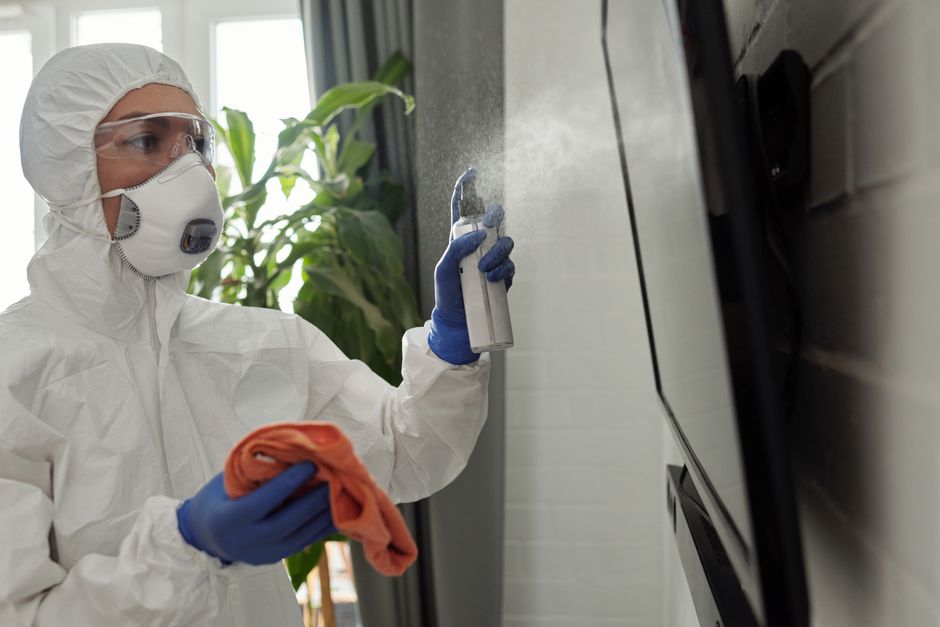
To disinfect your car’s air conditioning and kill mold, start by locating the exterior air intake vents at the base of the windshield. With the engine running and the fan on high and recirculation off, spray a disinfectant specifically rated for AC use — such as a Lysol spray or a dedicated automotive AC cleaner — into the intake for 30–60 seconds. Then switch the system to recirculation mode, spray into the same intake for another 30 seconds, and finally spray into each interior dashboard vent. Let the system run for 10 minutes with the windows open. This kills surface mold and eliminates odors. For deeper mold inside the evaporator, a foam cleaner injected through the drain tube is more effective. Repeat every year or whenever a musty smell returns.
Why Does Mold Grow in Car Air Conditioning?
Mold needs moisture, warmth, and a food source. Your car’s AC system provides all three. When the air conditioner runs, the evaporator core gets cold and collects condensation — like a glass of ice water on a humid day. This water sits in a dark, enclosed space. Dust and pollen that blow into the system act as food for mold spores. Over time, a slimy biofilm of mold and bacteria forms. You notice it first as a musty, sour smell when you turn on the AC. For some people, breathing in mold spores from the vents can cause sneezing, coughing, or irritated eyes. The problem is common in humid climates and in cars that sit unused for days.
How To Disinfect Car Air Conditioning And Kill Mold
Here is the step‑by‑step method that most professional detailers use. This works for surface mold in the ducts and vents. If the mold is deep inside the evaporator, you may need a foam cleaner — described below.
Step 1: Gather supplies. Use a disinfectant spray that lists “kills mold” on the label. Lysol Disinfectant Spray is a common choice. Some auto parts stores sell aerosol cans specifically designed for AC cleaning. Do not use bleach — it damages interior plastic and leaves toxic fumes.
Step 2: Locate the fresh‑air intake. In most cars this is under the plastic grill at the base of the windshield, on the passenger side. Check your owner’s manual if you cannot find it.
Step 3: Set the AC controls. Start the engine. Turn the AC off. Set the fan to high. Make sure the recirculation button is off — you want outside air drawn in. Open all windows.
Step 4: Spray into the intake. Hold the can upright and spray into the intake for about 30 seconds. Some products call for the whole can — follow the can directions.
Step 5: Switch to recirculation mode. Press the recirculation button. Spray into the intake for another 30 seconds. This forces the disinfectant through the entire system, including the evaporator.
Step 6: Spray the dashboard vents. One at a time, aim the spray into each vent for 5–10 seconds. Use the extension straw if your can has one.
Step 7: Let it work. Keep the fan on high for 10 minutes with the windows open. Then turn the system off and let the car air out for another 10 minutes.
If the smell returns within a few weeks, mold is likely growing on the evaporator itself. For that, buy a dedicated evaporator foam cleaner (sold at auto parts stores). Locate the AC drain tube under the car, inject the foam into it, and let it expand and clean the evaporator coils. Some cars require removing a panel to access the drain. A mechanic or dealer can do this for around $100–$200.
What Kills Mold in Car AC Vents?
The most effective and safe options are commercial disinfectants designed for HVAC systems. Products containing quaternary ammonium compounds or hydrogen peroxide are widely used. Lysol spray contains alkyl dimethyl benzyl ammonium chloride — a quat — and is effective against mold on non‑porous surfaces. Some auto‑specific brands like Kool‑It or ACDelco sell AC cleaners that are pre‑measured for automotive systems.
White vinegar is a popular home remedy. It kills some mold species but not all, and its smell is strong. Vinegar may also damage some plastic or metal parts over time. It is not the recommended choice when your goal is to fully disinfect.
Rubbing alcohol (isopropyl) can kill mold on contact, but it evaporates quickly and may not penetrate the biofilm. It is also flammable. Do not use it in large amounts inside the car or near the engine. Commercial disinfectants are safer and more reliable.





Can You Use Bleach in Car AC?
No. Bleach is corrosive. It can eat through aluminum, rubber seals, and plastic parts inside your AC system. The fumes are toxic and will linger in the cabin. Bleach also does not kill mold on porous surfaces — there are none inside your AC ducts, but the residual moisture can cause damage. Never use bleach in a car’s ventilation system. Stick with cleaners labeled safe for automotive use.
How Often Should You Clean Your Car AC?
Most manufacturers do not specify a cleaning interval. However, a good rule is to clean the system once a year, preferably before the humid summer season. If you notice a musty smell, do not wait — clean it right away. An annual cleaning also helps prevent the mold from building up into a thick biofilm that is harder to remove. Replacing the cabin air filter at least once a year is equally important. A dirty filter traps moisture and dust, feeding mold growth.
Preventing Mold Growth in Car AC
Mold needs moisture to thrive. The best prevention is to reduce moisture inside the system. About two minutes before you park, turn off the AC compressor (turn the temperature to warm or press the AC button off) but leave the fan running. This forces dry outside air through the still‑cold evaporator, evaporating the condensation. You will see water dripping under the car — that is normal. After the system dries, condensation cannot pool.
Other prevention tips:
- Replace the cabin air filter every 12 months or sooner if you drive in dusty conditions.
- Keep the interior clean. Vacuum carpets and seats regularly to reduce dust and spores.
- If you live in a very humid climate, consider using a dehumidifier pack in the car when it is parked.
- If the car sits for a week or more, start it and run the AC on high for 10 minutes once a week to keep air moving.
These simple habits dramatically reduce the chance of mold returning.
Frequently Asked Questions
How much does it cost to clean mold out of a car AC system?
A DIY cleaning with a can of spray costs about $10–$20. Professional cleaning at a detail shop or dealer runs $100–$300 depending on how deep the cleaning is and whether the evaporator needs to be removed.
Is mold in car AC dangerous to your health?
Yes, breathing mold spores can cause allergic reactions, asthma attacks, and sinus infections in sensitive people. Long‑term exposure may lead to more serious respiratory issues. Clean the system promptly if you smell mold.
Can I use rubbing alcohol to clean car AC vents?
Rubbing alcohol can kill mold on contact, but it evaporates too quickly to penetrate deep into the ducts or the evaporator. It is also flammable and not recommended for this purpose. A dedicated AC disinfectant works better and is safer.
What are the signs that my car AC has mold?
The most common sign is a musty, sour smell when you first turn on the AC. You may also see visible mold around the vents or feel irritated eyes and a stuffy nose after driving with the AC on.
