
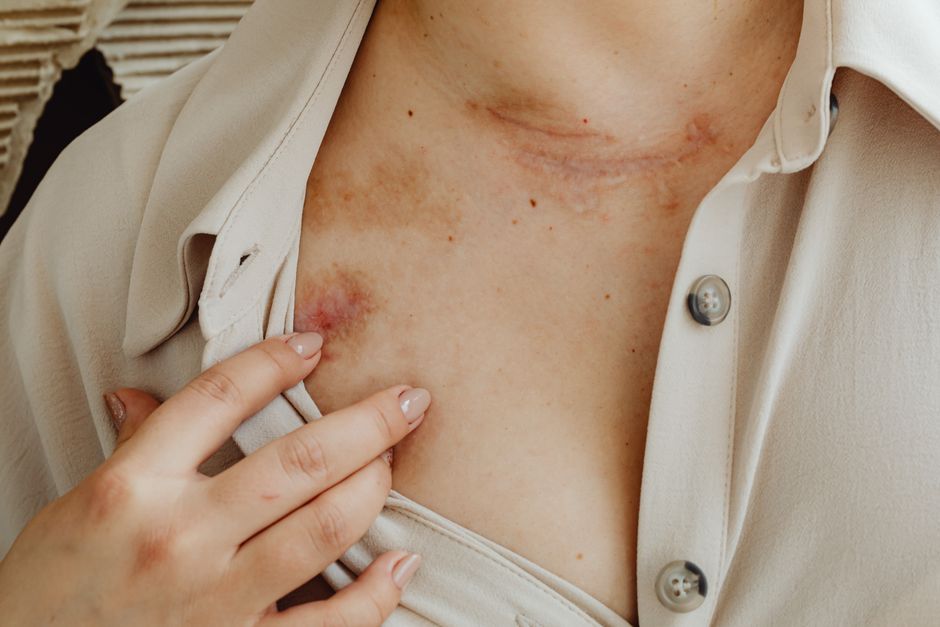
Old scars can be a persistent reminder of past injuries, surgeries, or skin conditions. While no treatment can erase a scar completely, you can significantly reduce its appearance, even years after the wound has healed. The most effective approach combines consistent use of proven topical treatments with dermatological procedures that remodel scar tissue. Here is what actually works for diminishing old scars.
Why Do Old Scars Look Different From Normal Skin?
Scars form when an injury reaches the dermis, the deeper layer of your skin. Instead of regenerating normal skin tissue, your body produces collagen fibers in a disorganized pattern to close the wound quickly. This is why scars look different from the surrounding skin—they have a different texture, color, and structure.
Old scars are often less red than new ones because the blood vessel network that formed during healing has faded. However, they can remain raised, depressed, or discolored for years. The type of scar you have determines which treatments will work best. Flat, discolored scars respond to different treatments than raised or pitted scars.
How To Diminish Old Scars With Topical Treatments
Topical treatments are the first line of defense for old scars. They are affordable, available without a prescription, and safe for most skin types. The key is consistency—these products take months to show results.
Silicone gels and sheets are the most evidence-backed topical option. They create a protective barrier over the scar that hydrates the skin and helps collagen reorganize into a flatter pattern. Research consistently shows that silicone treatments improve scar color, texture, and height. For old scars, silicone gel applied daily for at least three months can produce visible improvement.
Onion extract gels are another common option found in products like Mederma. Some studies suggest they improve scar redness and texture, though the evidence is less consistent than for silicone. They work best on newer scars but can still soften older scar tissue with prolonged use.
Vitamin E oil is a popular home remedy, but the evidence does not support its effectiveness. Some research even suggests it can cause contact dermatitis in some people. If you want to try it, apply it to a small area first and stop if irritation develops.
Do Prescription Creams Work On Old Scars?
Prescription treatments can be more potent than over-the-counter options, but their effectiveness depends on the scar type.
Corticosteroid injections are the standard treatment for raised scars, including keloids and hypertrophic scars. A dermatologist injects the steroid directly into the scar tissue, which reduces inflammation and flattens the scar over time. This treatment often requires multiple sessions spaced several weeks apart. It works on old scars because it targets the excess collagen that makes them raised.
Prescription retinoids such as tretinoin may help with depressed scars and discoloration. They increase cell turnover, which can improve skin texture and fade dark marks. However, they take six to twelve months to show meaningful results on old scars, and they can cause dryness and irritation.
No prescription cream will completely remove an old scar. These treatments improve appearance but do not restore the skin to its original state.





Procedures That Remodel Old Scar Tissue
When topical treatments are not enough, dermatological procedures offer more dramatic results. These treatments physically alter the scar tissue to make it less visible.
Laser therapy is one of the most effective options for old scars. Vascular lasers target the red or purple color in scars by collapsing the blood vessels within them. Fractional lasers create microscopic injuries in the scar tissue, prompting the body to produce fresh collagen that replaces the disorganized scar collagen. Multiple sessions are typically needed, and results improve gradually over several months.
Microneedling uses fine needles to puncture the skin and stimulate collagen production. It is particularly effective for depressed or atrophic scars, such as those left by acne. The procedure is minimally invasive and requires a series of treatments for optimal results.
Chemical peels remove the top layers of skin, which can improve the color and texture of superficial scars. Deeper peels are more effective but require longer recovery times. Peels work best on flat scars with pigmentation issues rather than raised or deeply pitted scars.
Subcision is a technique specifically for depressed scars. A dermatologist inserts a needle under the scar to break the fibrous bands that tether the skin down. This releases the scar and allows it to lift. It is often combined with other treatments for best results.
Surgical revision is an option for very prominent scars. A surgeon removes the old scar and re-closes the wound with precise technique, often creating a thinner, less noticeable scar. This is not a removal—it is a trade of one scar for a better one.
What To Expect From Professional Scar Treatment
Professional treatments take time. Most people need multiple sessions, and improvement is gradual. A single laser session will not erase an old scar. Expect to see progressive changes over four to six months as collagen remodels.
Cost varies widely depending on the procedure, the size of the scar, and your location. Laser therapy can range from a few hundred to over a thousand dollars per session. Microneedling is generally less expensive. Insurance rarely covers cosmetic scar treatment unless the scar causes functional problems or significant psychological distress.
Results are not permanent in the sense that the scar disappears. Treated scars typically become flatter, softer, and closer to your natural skin tone. Some scars may require maintenance treatments over time to sustain results.
Natural Remedies For Old Scars: What The Evidence Shows
Many natural remedies are promoted for scar reduction, but the evidence is thin. Some have modest support; most do not.
Aloe vera is anti-inflammatory and may help with skin hydration, which can improve the appearance of scars. However, no large human trials have confirmed that it diminishes old scars specifically.
Honey has wound-healing properties and is useful for fresh wounds, but its effect on established scar tissue is unknown. Some research suggests it may improve scar appearance, but the studies are small and not conclusive.
Coconut oil and shea butter are excellent moisturizers. Keeping scar tissue hydrated can make it softer and less noticeable. But they do not remodel collagen or fade pigmentation.
Lemon juice is sometimes recommended to lighten dark scars. This is not supported by evidence, and it can irritate the skin or cause sun sensitivity. Avoid putting undiluted lemon juice on scars.
Massage is a practical and free approach. Massaging scar tissue for several minutes daily can break down adhesions and soften the scar. It works best when combined with a moisturizer or silicone gel.
How Long Does It Take To See Results?
Patience is essential when treating old scars. Skin cell turnover takes about 28 days, but remodeling scar tissue takes much longer.
Topical treatments typically require three to six months of consistent daily use before visible improvement. Silicone products may show changes in texture within weeks, but color improvement takes longer.
Procedures like laser therapy and microneedling often show results after the first session, but the full effect appears after three to six months when new collagen has formed. Most dermatologists recommend a series of three to five sessions spaced four to six weeks apart.
Old scars are more stubborn than new ones. The collagen in an old scar is dense and mature, making it harder to remodel. This does not mean treatment is pointless—it means you should expect slower, more gradual improvement.
When To See A Dermatologist
You should see a dermatologist if a scar is painful, itchy, or restricts movement. These symptoms can indicate a keloid or a scar that is contracting and may require medical treatment.
You should also seek professional advice if over-the-counter treatments have not produced results after six months of consistent use. A dermatologist can assess your scar type and recommend procedures that are more likely to work. They can also rule out rare conditions, such as skin cancer, that can sometimes mimic scar tissue.
If you have a history of keloids, tell your dermatologist before starting any treatment. Some procedures, including surgery, can trigger new keloid formation in people who are prone to them.
Preventing New Scars While Treating Old Ones
While working on old scars, protect your skin from new damage. Sun exposure darkens scar tissue and makes it more noticeable. Apply broad-spectrum sunscreen with SPF 30 or higher to scarred areas every day, even when it is cloudy.
UV radiation stimulates melanocytes in scar tissue, which can cause permanent hyperpigmentation. A scar that was healing well can become darker and more prominent after just a few sun exposures. Sunscreen is the single most important preventive measure for scar appearance.
Keep the skin moisturized. Well-hydrated skin heals better and scars look less prominent. If you have a fresh wound, keep it covered and moist until it closes completely. Do not pick at scabs—this interrupts the healing process and often leads to worse scarring.
Sunscreen And Scar Discoloration
Sun protection is not optional for scar care. It is essential. Scar tissue lacks the protective pigment and structure of normal skin, making it highly vulnerable to UV damage.
Dark scars, known as post-inflammatory hyperpigmentation, can fade significantly with consistent sun protection and time. Light scars can also improve. But sunscreen only prevents further darkening—it does not lighten a scar that is already dark.
For stubborn discoloration, dermatologists may recommend topical lightening agents like hydroquinone or kojic acid. These require a prescription or professional guidance and are not appropriate for everyone. They work by inhibiting melanin production in the scar tissue.
Frequently Asked Questions
Can old scars be completely removed?
No treatment can completely remove an old scar. Treatments can make scars flatter, softer, and less noticeable, but some trace of the scar will remain.
What is the most effective treatment for old scars?
Laser therapy and silicone treatments have the strongest evidence for improving old scar appearance. The best choice depends on your scar type, so a dermatologist should evaluate it first.
How long does it take for old scars to fade?
With consistent treatment, most people see noticeable improvement within three to six months. Mature scars respond more slowly than newer ones, so full results may take up to a year.
Are over-the-counter scar creams worth trying?
Silicone-based products are worth trying because they have clinical evidence behind them. Most other over-the-counter creams have limited or mixed evidence for treating old scars.
