
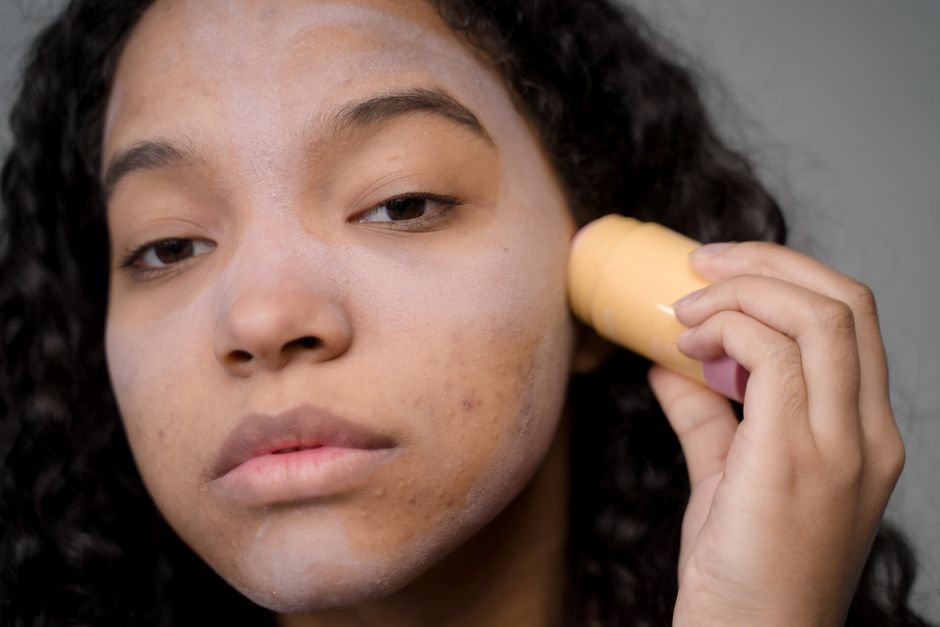
Age spots are flat brown, black, or gray patches that appear on sun-exposed skin, most often on the face, hands, shoulders, and arms. They are not a sign of skin damage in the dangerous sense—they are a visible result of years of ultraviolet exposure. The medical name is solar lentigines. They are harmless. But if you want to diminish their appearance, the honest answer is that a combination of strict sun protection, targeted topical ingredients, and professional treatments delivers the most reliable results. No single home remedy erases them overnight. Consistency over months is what actually works.
What Causes Age Spots in the First Place?
Age spots are a direct result of sun exposure over time. When ultraviolet light hits your skin, it triggers melanocytes—the cells that produce pigment—to create more melanin. That is your skin trying to protect itself. Over years, that pigment can clump together in certain areas, forming a flat, darkened patch.
This is why age spots rarely appear on skin that is always covered. They show up on the face, the backs of hands, the shoulders, and the forearms. The name “age spots” is a bit misleading. They are not an inevitable part of aging. They are an accumulation of sun damage. Someone who spent decades in the sun without protection will develop them earlier and more prominently than someone who did not.
Genetics play a role too. Some people simply produce more melanin in response to sun exposure. But the primary driver is cumulative UV exposure. Tanning beds count as well. They deliver concentrated UV radiation that can trigger the same pigment response.
Does Sunscreen Actually Prevent New Age Spots?
Yes. Sunscreen is the single most effective thing you can do to stop new age spots from forming. It also prevents existing spots from getting darker. Without sun protection, any treatment you use will be fighting against ongoing UV exposure.
Use a broad-spectrum sunscreen with an SPF of 30 or higher. Broad-spectrum means it protects against both UVA and UVB rays. UVA rays penetrate deeper into the skin and are heavily involved in pigment changes. UVB rays cause sunburn. You need protection from both.
Apply it every morning, even on cloudy days. UV rays pass through clouds. Reapply every two hours if you are outdoors. If you are indoors all day, one morning application is generally sufficient, though dermatologists recommend reapplying if you sit near a window for long periods. UVA rays can pass through glass.
Physical blockers like zinc oxide and titanium dioxide sit on the skin and reflect UV light. Chemical sunscreens absorb UV rays and convert them to heat. Both types work well when applied properly. The best sunscreen is the one you will actually use every day.
Which Topical Ingredients Have Real Evidence?
Several over-the-counter ingredients have demonstrated effectiveness in lightening age spots. None of them work quickly. Expect to use them consistently for 8 to 12 weeks before seeing noticeable change.
Hydroquinone is considered the gold standard for skin lightening. It works by inhibiting the enzyme that produces melanin. It is available over the counter in concentrations up to 2 percent in the United States. Stronger formulations require a prescription. It is effective, but it must be used carefully. Long-term use without breaks can cause ochronosis, a condition where the skin darkens permanently. Most dermatologists recommend using it in cycles, such as three months on and one month off.
Retinoids like retinol and tretinoin accelerate cell turnover. They help shed pigmented skin cells faster, which can gradually fade spots. Retinol is available over the counter. Tretinoin requires a prescription and is more potent. Both can cause dryness, redness, and peeling when you start using them. This is normal and usually settles down after a few weeks.
Vitamin C in the form of L-ascorbic acid is an antioxidant that also inhibits melanin production. It is less potent than hydroquinone but is a reasonable option for people with sensitive skin or those who prefer a gentler approach. It also offers some protection against future UV damage, though it is not a substitute for sunscreen.
Azelaic acid is another option. It is available in both over-the-counter and prescription strengths. It works by slowing melanin production and has anti-inflammatory properties. It is generally well tolerated, making it a good choice for people with sensitive skin.
Kojic acid and alpha arbutin are plant-derived ingredients that also interfere with melanin production. Some studies suggest they are effective, but the evidence base is not as strong as for hydroquinone or retinoids. They can be useful for people who cannot tolerate stronger ingredients.





Do Professional Treatments Work Better Than Creams?
Professional treatments generally produce faster and more dramatic results than topical creams alone. They are also more expensive and carry more risk. They should be performed by a board-certified dermatologist or licensed practitioner with experience in these procedures.
Laser therapy targets pigment with specific wavelengths of light. The energy breaks up the melanin clumps, and the body clears them over time. Q-switched lasers and intense pulsed light (IPL) are the most common options. Results can be excellent, but multiple sessions are often needed. Some people experience temporary darkening of the spots before they fade.
Cryotherapy involves freezing the spot with liquid nitrogen. The pigmented cells are destroyed and the skin heals with a lighter tone. It is quick and effective for individual spots. The downside is that it can leave a light scar or a temporary dark mark in some people, particularly those with darker skin tones.
Chemical peels use acids to remove the outer layer of skin. Glycolic acid and trichloroacetic acid are commonly used. They can improve the appearance of age spots, but the results are generally less dramatic than lasers. Multiple peels are usually needed.
Microneedling with or without topical agents is sometimes used, but the evidence for its effectiveness on age spots specifically is limited. It is more commonly used for texture and scarring.
No professional treatment is permanent. If you go back to unprotected sun exposure, new spots will form. Maintenance with sunscreen and a topical regimen is essential to preserve results.
What About Natural Remedies People Swear By?
Lemon juice, apple cider vinegar, aloe vera, and onion extract are frequently mentioned as natural remedies for age spots. The evidence for all of them is weak. No clinical trials have confirmed that any of these reliably lighten age spots.
Lemon juice is actually a concern. It is highly acidic and can cause chemical burns on skin, especially when followed by sun exposure. This can lead to hyperpigmentation, which is the opposite of what you want. Do not apply lemon juice to your skin.
Apple cider vinegar is also acidic and can cause irritation. Some people report lightening of spots with consistent use, but this is anecdotal. The risk of irritation and uneven results outweighs the potential benefit.
Aloe vera is soothing and may have mild anti-inflammatory properties, but there is no evidence it lightens established age spots. Onion extract has been studied for scar reduction, not for pigment lightening.
The honest position is that natural remedies are not supported by solid evidence. If you want to try them, do a patch test on a small area first and watch for irritation. But do not expect the results you would get from a clinically studied ingredient.
How To Diminish Age Spots What Actually Works?
An honest, evidence-based plan combines prevention with treatment. Start with daily broad-spectrum sunscreen. This is non-negotiable. Then choose a topical treatment. Hydroquinone 2 percent with a retinoid is a strong over-the-counter combination. If that does not produce results in three months, a prescription-strength treatment or a professional procedure is the next step.
Be patient. Pigment fades slowly. You will not see dramatic change in a week. You might see subtle lightening in four to six weeks with consistent use. Meaningful improvement typically takes two to three months.
If a spot changes shape, becomes raised, bleeds, or itches, see a dermatologist. Age spots are harmless, but some skin cancers can look similar in the early stages. A professional evaluation is the only way to be certain.
How Long Does It Take To See Results?
Results depend on the treatment. Topical creams take the longest. Expect 8 to 12 weeks of daily use before you notice meaningful lightening. Laser treatments can show improvement after one session, but most people need two to four sessions spaced several weeks apart. Cryotherapy often works in one session for individual spots.
Dark spots on the hands tend to fade more slowly than spots on the face. This is because the hands are constantly exposed and the skin there is thicker. Consistent sun protection is even more important for hand spots.
Frequently Asked Questions
Can age spots be removed permanently?
No treatment permanently removes age spots. Professional treatments and topical creams can fade them significantly, but new spots will form if you remain exposed to UV light without protection.
Is hydroquinone safe to use at home?
Yes, over-the-counter hydroquinone at 2 percent is considered safe when used as directed. It should be used in cycles rather than continuously, and you should stop if you notice unusual darkening of the skin.
Do age spots mean I have skin cancer?
No. Age spots are benign and do not become cancerous. However, some skin cancers can resemble age spots, so any spot that changes in size, shape, or color should be checked by a dermatologist.
