
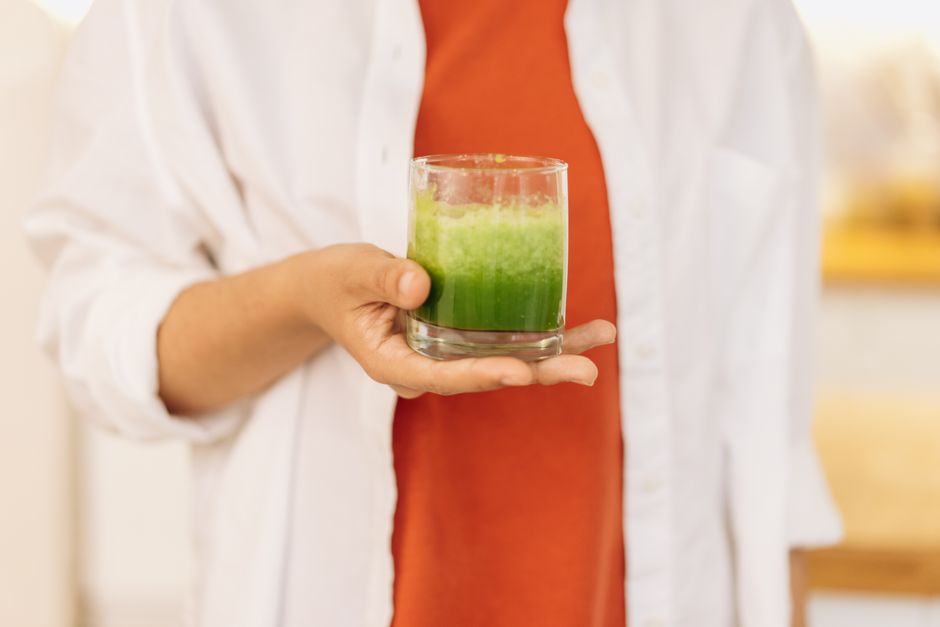
Your gut lining replaces itself every few days. Your gut bacteria respond to what you eat within hours. That means the idea of a “detox” is mostly about giving your digestive system the right conditions to do what it already does. You do not need a juice cleanse, a laxative tea, or a week of fasting to reset your gut. You need consistent daily habits that support digestion, feed beneficial bacteria, and remove things that irritate the lining.
The fastest way to improve gut health is to change what you eat. Fiber is the fuel for beneficial bacteria. When those bacteria ferment fiber, they produce short-chain fatty acids like butyrate, which feed the cells lining your colon. More fiber means more fuel. Less fiber means the bacteria start eating the mucus layer that protects your gut lining. That is not a theory. That is established physiology.
What Does It Mean To Detox Your Gut?
Your body already has a detoxification system. The liver processes toxins. The kidneys filter them out. The intestines remove waste. No cleanse product enhances this system in any meaningful way.
What a “gut detox” actually means in practical terms is reducing the load on your digestive system while giving it the nutrients it needs to repair. This includes reducing foods that cause inflammation, adding foods that feed beneficial bacteria, and allowing your digestive tract time to process food properly.
The colon does not need to be “cleaned out.” It is not a stagnant pipe. It is a living organ with a diverse ecosystem of bacteria, fungi, and other microbes. The goal is not emptiness. The goal is balance.
How To Detox Your Gut Naturally Without A Cleanse
The most evidence-based approach involves four pillars: fiber, hydration, fermented foods, and removing irritants. Each one addresses a different part of gut function.
Fiber is the foundation. Adults should aim for roughly 25 to 35 grams of fiber per day from food. Most Americans get about half that. Soluble fiber from oats, beans, and apples feeds bacteria directly. Insoluble fiber from vegetables and whole grains adds bulk and speeds transit time.
Water matters more than people think. Fiber without water can cause constipation. The fiber needs fluid to swell and move through the digestive tract. Aim for adequate hydration throughout the day rather than chugging large amounts at once.
Fermented foods introduce beneficial microbes. Yogurt with live cultures, kefir, sauerkraut, kimchi, and kombucha contain live bacteria that can temporarily colonize the gut. Research published in the journal Cell found that fermented foods increased microbiome diversity in humans, while high-fiber foods alone did not show the same effect in that specific study.
Removing irritants is the subtraction part of the detox. Ultra-processed foods, artificial sweeteners, and excess alcohol all disrupt the gut lining and alter bacterial populations. Cutting these for a few weeks gives your gut a chance to recover.
Which Foods Help Your Gut Repair Itself?
Some foods do more than just feed bacteria. They actively support the gut lining and reduce inflammation.
Bone broth and collagen contain amino acids like glycine and proline that are building blocks for the gut lining. The evidence for bone broth specifically is limited, but the amino acids it provides are well-established as components of connective tissue. Some clinicians recommend it during gut recovery protocols, though large clinical trials are lacking.
Ginger and turmeric have anti-inflammatory properties. Ginger stimulates digestive motility, which means it helps food move through the stomach and intestines. Turmeric contains curcumin, which has been studied for its anti-inflammatory effects. Both are safe in culinary amounts for most people.
Cooked vegetables are easier to digest than raw ones. Cooking breaks down cell walls, making nutrients more accessible. For people with an irritated gut, cooked carrots, zucchini, and squash are gentler options than raw salads.
Prebiotic foods deserve special attention. Garlic, onions, leeks, asparagus, and bananas contain specific types of fiber that feed beneficial bacteria. These are not exotic foods. They are common ingredients that most people already have in their kitchen.



What To Avoid During A Gut Reset
Some foods actively work against gut health. Removing them for a period of time is the most direct way to reduce gut irritation.
Ultra-processed foods contain emulsifiers, artificial colors, and preservatives that some research has linked to changes in the gut microbiome. The evidence is strongest for certain emulsifiers like carboxymethylcellulose and polysorbate 80, which have been shown in animal studies to alter the mucus layer of the gut.
Artificial sweeteners such as sucralose, aspartame, and saccharin are not absorbed well by the body. They pass through the digestive tract and interact with gut bacteria. Some studies suggest certain sweeteners can alter glucose metabolism through changes in the microbiome, though results are mixed in humans.
Excess alcohol damages the gut lining directly and disrupts the balance of bacteria. The effect is dose-dependent. Moderate drinking may have minimal impact, but heavy drinking is clearly associated with increased intestinal permeability, sometimes called “leaky gut.”
Dairy and gluten are not universally problematic. They only need to be removed if you have a diagnosed intolerance or sensitivity. Removing them without evidence of a problem does not detox your gut. It just restricts your diet.
What About Probiotic Supplements?
Probiotic supplements are not necessary for most people. The evidence for specific strains and conditions is growing, but the marketing has run far ahead of the science.
If you eat fermented foods regularly, you are already getting live bacteria. If you want to try a supplement, look for one with a specific strain that has been studied for the condition you are targeting. Different strains do different things. Lactobacillus rhamnosus GG has evidence for preventing antibiotic-associated diarrhea. Bifidobacterium lactis has been studied for constipation. No single strain does everything.
There is also a legitimate concern about taking probiotics while your gut is already disrupted. Some research suggests that during recovery from antibiotic use, probiotics may delay the return of your native microbiome. The evidence is not conclusive, but it is enough to question the assumption that more bacteria is always better.
How Long Does A Gut Reset Take?
Realistic expectations matter here. Some changes happen quickly. Others take weeks.
Gas and bloating often improve within days once you stop eating foods that trigger them. This is not a detox effect. It is simply removing the irritant.
Bowel regularity may adjust within a week or two. Fiber takes time to work. If you suddenly double your fiber intake, you will likely experience gas and bloating before things improve. Increase fiber gradually over a week or two to minimize discomfort.
Microbiome composition changes can be detected within days of a dietary change. But those changes are not necessarily stable. Your gut bacteria return to their previous state when you return to your previous diet. Sustained change requires sustained dietary change.
Gut lining repair takes longer. The cells of the intestinal lining turn over every 3 to 5 days. But full recovery from chronic inflammation or irritation may take several weeks to months. There is no cleanse that speeds this up.
Daily Habits That Support Gut Health Long-Term
Detoxing once and returning to old habits does nothing. The evidence is clear that gut health reflects your ongoing diet and lifestyle, not occasional interventions.
Eat a diverse range of plant foods. Studies consistently show that people who eat 30 or more different plant foods per week have more diverse gut microbiomes than those who eat fewer. Diversity is a marker of gut health because different bacteria thrive on different fibers.
Chew your food thoroughly. Digestion begins in the mouth. Saliva contains enzymes that break down carbohydrates. Chewing also signals your stomach to produce acid and your pancreas to prepare digestive enzymes. Eating quickly and swallowing large pieces forces your digestive system to work harder.
Move your body regularly. Physical activity increases blood flow to the digestive tract and stimulates intestinal contractions. Studies have found that exercise is associated with greater gut microbiome diversity, though the mechanism is not fully understood.
Manage stress. The gut-brain axis is real. Stress activates the sympathetic nervous system, which slows digestion and alters gut motility. Chronic stress is associated with changes in gut bacteria and increased intestinal permeability. This is well-established physiology, not speculation.
Sleep matters. Your gut bacteria follow a circadian rhythm. Disrupted sleep patterns are associated with less diverse microbiomes and increased inflammation. Aim for consistent sleep timing, even on weekends.
Signs Your Gut Is Actually Improving
How do you know if any of this is working? Look for measurable changes rather than vague feelings of “wellness.”
- Bowel movements become more regular. A healthy pattern ranges from three times per day to three times per week. What matters is consistency and ease.
- Stool consistency improves. The Bristol Stool Scale describes type 3 and type 4 as ideal. Type 1 and 2 indicate constipation. Type 6 and 7 indicate diarrhea.
- Bloating decreases. Persistent bloating after meals is not normal. It often indicates fermentation of undigested carbohydrates or food sensitivities.
- You tolerate more foods. If foods that previously caused discomfort no longer do, that is a sign the gut lining is recovering.
If symptoms do not improve after several weeks of consistent changes, see a doctor. Persistent digestive symptoms can indicate conditions like irritable bowel syndrome, celiac disease, or inflammatory bowel disease. These require proper diagnosis, not another cleanse.
When To See A Doctor Instead
Some symptoms should not be managed at home. Blood in the stool, unintentional weight loss, severe abdominal pain, and persistent diarrhea or constipation lasting more than a few weeks all warrant medical evaluation.
Sudden changes in bowel habits after age 50 also deserve attention. Colon cancer screening is recommended starting at age 45 for average-risk adults. Digestive symptoms are one of the most common reasons people see their doctor, and most turn out to be benign. But the only way to know is to be evaluated.
The honest answer to “How to detox your gut naturally without a cleanse” is that you already have the tools. Eat more fiber. Eat fermented foods. Cut ultra-processed food. Drink water. Sleep. Move. Give it time. Your gut knows how to heal itself. It just needs you to stop interfering.
Frequently Asked Questions
How long does it take to detox your gut?
Some changes like reduced bloating can happen within days of removing trigger foods. Microbiome shifts occur within days of dietary change, but stable, lasting improvement typically requires several weeks of consistent habits.
Do I need a colon cleanse to remove toxins?
No. Your liver, kidneys, and intestines already remove waste and toxins from your body. Colon cleanses are not supported by medical evidence and can cause dehydration, electrolyte imbalances, and disruption of your natural gut bacteria.
What is the fastest way to improve gut health?
The fastest evidence-based approach is to add fiber-rich foods and fermented foods while removing ultra-processed foods and excess alcohol. You may notice improvements in digestion within a few days, but lasting change requires consistency over weeks.
Can drinking lemon water detox your gut?
Lemon water is hydrating and contains vitamin C, but it has no special detoxifying effect on the gut. The benefits come from the water itself and from replacing sugary or caffeinated beverages, not from the lemon.
