
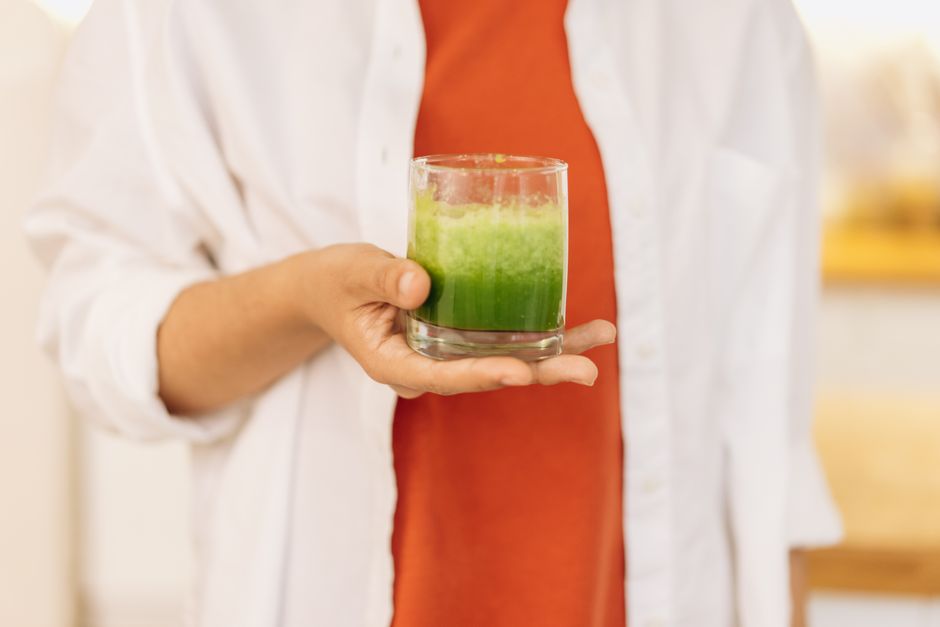
Your liver already detoxes itself. It is the body’s main chemical processing plant, breaking down drugs, alcohol, hormones, and waste products around the clock. No tea, juice cleanse, or supplement has been shown to make a healthy liver do this job better. The real work of liver care is avoiding what damages it and getting tested when something might be wrong.
That gap between what the liver actually does and what detox products promise is where most confusion starts. This article separates what research supports from what is marketing.
What Does The Liver Actually Do To Detoxify The Body?
The liver clears waste through a two-phase chemical process, and both phases are well understood.
In phase one, a group of enzymes called cytochrome P450 converts fat-soluble substances into more water-soluble forms. This step can temporarily make some compounds more reactive. Phase two then attaches molecules to those intermediate products so they can be dissolved in water and removed. The final products leave through bile, which goes to the gut, or through the blood, which carries them to the kidneys.
This system runs constantly without any help from you. The liver also makes bile for digestion, stores glucose, builds proteins, and manages cholesterol. Detoxification is one job among many.
A detail that rarely gets mentioned in detox marketing: the liver is built to handle this load. A healthy liver has large reserve capacity. You do not run out of detox capacity the way a filter clogs, and you cannot flush the system by drinking more liquid.
Do Liver Detox Teas, Juices, And Cleanses Work?
No clinical trial has shown that a detox tea, juice cleanse, or supplement improves liver detoxification in healthy people. The evidence for these products is essentially absent.
Some products contain ingredients with real biological activity, which is not the same as proven benefit. Milk thistle is the most studied herbal option for liver health. Research has looked at it for several liver conditions, and results have been mixed. It is not established as a way to improve detoxification in a healthy liver.
Other concerns are more practical:
- Herbal and dietary supplements are a recognized cause of drug-induced liver injury in the United States, according to clinical reviews of the condition. The risk is small but real, and it rises with certain ingredients and with combining products.
- Cleanses that restrict food can cause fatigue, headaches, and digestive upset. Some involve laxatives, which carry their own risks.
- Products marketed as detox aids are not required to prove they work before sale.
There is a logic problem in the marketing itself. If a product truly sped up phase one of liver metabolism without matching it to phase two, it could leave reactive intermediate compounds in the body longer. That is why “speeding up detox” is not automatically a good thing. The body keeps these phases balanced.
How To Detox The Liver Naturally: Fact Vs Fiction
The evidence-based version of “natural liver detox” looks nothing like a cleanse. It is a set of habits that reduce the liver’s workload and protect it from known harms.
Here is how common claims hold up:
| Claim | What The Evidence Shows |
|---|---|
| Lemon water cleanses the liver | No evidence. Water is hydrating, which is fine, but lemon does not detoxify the liver. |
| Milk thistle protects the liver | Mixed results in research. Not established for healthy people or general detox. |
| Juice cleanses flush toxins | No evidence. Some juices are high in sugar, which can add metabolic load. |
| Dandelion or burdock root detoxifies | No clinical evidence in humans for detoxification. |
| Limiting alcohol protects the liver | Strong evidence. Alcohol is a direct liver toxin, and less is better. |
| Losing excess weight helps the liver | Strong evidence for fatty liver disease. Weight loss reduces liver fat. |
| Coffee is bad for the liver | Largely fiction. Some studies suggest coffee is associated with lower risk of liver disease progression, though it is not a treatment. |
Notice the pattern. The claims with strong support are about removing harm. The claims with no support are about adding a product.
What Actually Harms The Liver?
Alcohol is the best-documented liver toxin. Heavy drinking over time causes fat buildup, inflammation, and scarring. The amount that causes harm varies by person, and there is no universally safe level for everyone.
Excess body fat is the other major driver. Fat can accumulate in the liver, a condition called metabolic dysfunction-associated steatotic liver disease, or MASLD. It is now one of the most common liver conditions in the United States. Many people with it have no symptoms.
Other known harms include:
- Some medications taken at high doses, especially acetaminophen beyond recommended limits. Acetaminophen overdose is a leading cause of acute liver failure in the US.
- Certain herbal and dietary supplements.
- Chronic viral hepatitis B and C.
- Untreated or poorly controlled metabolic conditions such as diabetes and high cholesterol.
If you take any medication regularly, follow the label and your clinician’s instructions. Do not combine products containing acetaminophen without checking total daily amounts. Established guidance exists for this, and it matters.
What Habits Support Liver Health?
The habits with the strongest evidence are unglamorous and well established.
Limit or avoid alcohol. This is the single most direct way to reduce liver workload. If you drink, less is better.
Maintain a healthy weight. Losing excess weight reduces liver fat, and research consistently shows this improves fatty liver disease. Even modest weight loss can help.
Eat a balanced diet. A pattern high in vegetables, fruit, whole grains, and lean protein, and low in added sugar and heavily processed foods, supports metabolic health, which the liver depends on. There is no single food that detoxifies the liver.
Get vaccinated. Hepatitis B vaccination prevents a major cause of liver disease. This is established public health guidance.
Be careful with supplements. Tell your clinician about everything you take, including herbs. Supplements are not automatically safer than medications.
Manage conditions like diabetes and high blood pressure. These affect liver health over time. Following your care plan matters.
None of these are quick fixes. They work by reducing the load on a system that is already doing its job.
When Should You Get Your Liver Checked?
Liver disease often causes no symptoms until damage is advanced. That is why testing matters more than symptoms.
Talk to a clinician about liver testing if you have risk factors such as heavy alcohol use, obesity, diabetes, hepatitis B or C, or a family history of liver disease. Standard blood tests can check liver enzymes and function. Imaging can look for fat or scarring.
Seek care promptly for symptoms like yellowing of the skin or eyes, dark urine, persistent abdominal pain, or unexplained fatigue. These can have many causes, and a clinician can sort out which one applies. Do not try to treat them with a cleanse.
There is no home test or supplement that replaces a medical evaluation. If you are worried about your liver, the useful step is a conversation with a clinician, not a purchase.
Frequently Asked Questions
Can you actually detox your liver naturally?
Your liver detoxifies itself without help, and no product has been shown to improve this in healthy people. The evidence-based approach is reducing harm through less alcohol, healthy weight, and avoiding unnecessary supplements.
Does lemon water or apple cider vinegar cleanse the liver?
No clinical evidence supports either for liver detoxification. Both are fine to drink, but neither has been shown to remove toxins or improve liver function.
Is milk thistle good for your liver?
Research on milk thistle is mixed, and it is not established as a way to improve liver detoxification in healthy people. Talk to a clinician before using it, especially if you take other medications.
How long does a liver detox take?
There is no standard detox timeline because detox products are not proven to work. Your liver clears waste continuously, and meaningful liver improvements from habits like weight loss take weeks to months.
