
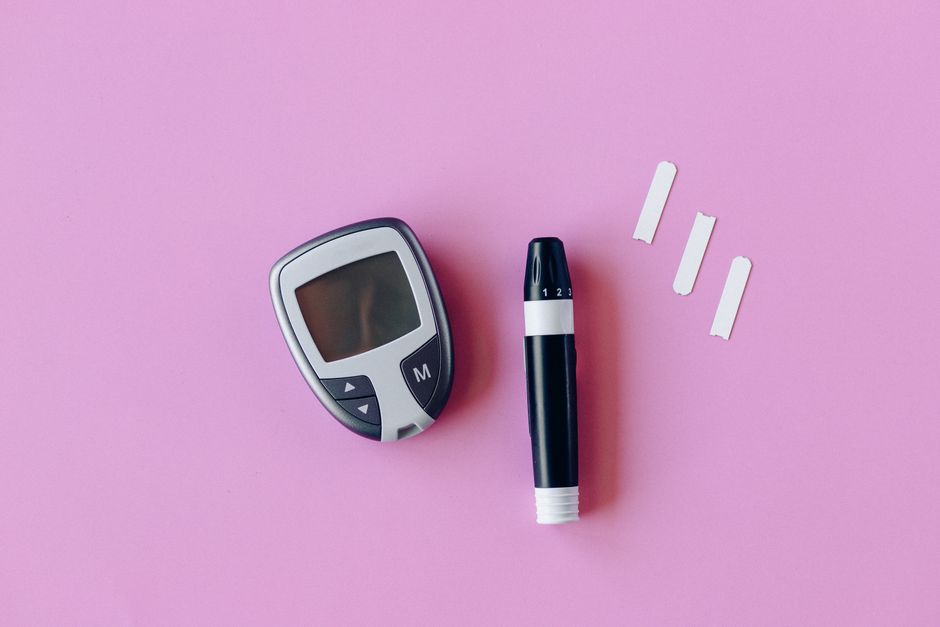
Atrial fibrillation is the most common serious heart rhythm disorder, and it is also one of the most frequently missed. You can check your own pulse at home in about 30 seconds, and consumer devices like smartwatches can flag an irregular rhythm, but neither confirms a diagnosis. Only a clinician using an ECG or a prescribed heart monitor can do that. The practical path is simple: notice a possible sign, check it with a home tool if you have one, and get a clinical test to confirm or rule it out.
What Is Atrial Fibrillation and Why Does It Matter?
Atrial fibrillation, usually called afib, is a chaotic electrical rhythm in the upper chambers of the heart. Instead of contracting in a coordinated way, the atria quiver. The result is an irregular and often fast heartbeat.
The main reason afib matters is stroke. When the atria do not squeeze properly, blood can pool and form clots, particularly in a small pouch called the left atrial appendage. If a clot travels to the brain, it causes a stroke. Research consistently links afib to a substantially higher stroke risk, and clinical guidelines treat this as a central reason to identify and manage the condition.
Afib is not always dramatic. Some people feel a racing, fluttering, or pounding heart. Others feel tired, short of breath, or lightheaded. A meaningful number of people have no symptoms at all. That silent form is part of why detection matters — you cannot feel what you do not notice, but the stroke risk does not disappear.
How To Detect Afib At Home Options And Clinical Tests
Home tools can raise a suspicion. Clinical tests confirm it. Keeping those two roles separate is the single most useful thing to understand about afib detection.
Home options include checking your own pulse, using a home blood pressure monitor that flags irregular rhythms, and wearing a consumer smartwatch or wearable with an ECG or rhythm-notification feature. Clinical options include a standard 12-lead ECG in a clinic, a Holter monitor worn for a day or more, event monitors worn for weeks, and implantable loop recorders placed under the skin for long-term monitoring.
The reason clinical testing exists is that afib can come and go. A person can feel fine during a short office visit and still have episodes at other times. A single normal ECG does not rule afib out if the rhythm is intermittent. That is why clinicians sometimes order longer monitoring rather than relying on one snapshot.
How Can You Check for Afib at Home?
Feeling your pulse is the oldest home check and costs nothing. It can reveal an irregular rhythm, though it cannot tell you what is causing it.
To check your pulse, place two fingers on the inside of your wrist below the thumb, or on the side of your neck. Press lightly. Count the beats for 30 seconds and notice whether the spacing between beats feels even or uneven. A consistently irregular rhythm is worth mentioning to a clinician. So is a pulse that feels unusually fast or slow.
Home blood pressure monitors that display an irregular heartbeat indicator are widely sold. Some studies suggest these indicators can flag possible afib, but they are screening hints, not diagnoses. The same is true of the pulse check.
Consumer wearables have changed this landscape. Some smartwatches offer an ECG feature cleared by regulators for detecting signs of afib, and others use optical sensors to send rhythm notifications. Evidence indicates these tools can identify possible afib in some people. The important limits are these: they are not diagnostic, they can produce false alarms, and they are generally not validated for people who already have a known arrhythmia or a pacemaker. If a device flags something, the next step is a clinician, not a conclusion.
What Do Clinical Tests for Afib Involve?
A 12-lead ECG is the standard first test. Small electrodes on the chest, arms, and legs record the heart’s electrical activity for a few seconds. A clinician reads the tracing and can often confirm afib immediately if it is present at that moment.
When afib is intermittent, short recordings miss it. Longer monitoring improves the chance of catching an episode:
- Holter monitor: a portable recorder worn continuously, usually for 24 to 48 hours, sometimes longer.
- Event monitor: worn for days to weeks, often triggered by the patient when symptoms occur.
- Patch monitor: a small adhesive device worn for up to a couple of weeks that records continuously.
- Implantable loop recorder: a tiny device placed under the skin that can monitor the heart for months to years.
Beyond rhythm recording, clinicians often order an echocardiogram, which uses ultrasound to look at heart structure and function. Blood tests can check for thyroid problems and other conditions that can trigger or worsen afib. These tests help explain why the rhythm is happening and guide decisions about treatment.
Which Home Devices Are Actually Reliable?
Reliability varies widely, and the label matters more than the marketing. Devices with a regulatory clearance for afib detection have been reviewed for accuracy in at least some populations. Devices sold without that clearance may still be useful as a prompt to seek care, but their readings carry less weight.
Single-lead ECG wearables record the heart’s electrical signal from one angle. They can detect an irregular rhythm reasonably well in many people, but they are not equivalent to a 12-lead ECG. Optical sensors that shine light through the skin to detect pulse changes are more prone to error from movement, poor contact, or skin tone and circulation differences.
A non-obvious point: a device that says “normal” is not a clean bill of health. If afib is intermittent, a normal reading between episodes tells you almost nothing. The value of a home device is highest when it catches something during symptoms.
When Should You See a Doctor About an Irregular Heartbeat?
Get medical attention promptly for a fast or irregular heartbeat accompanied by chest pain, fainting, severe shortness of breath, or signs of stroke such as sudden weakness, facial droop, or trouble speaking. Those are emergency symptoms and warrant calling emergency services.
For less urgent signs — a fluttering feeling, an irregular pulse you noticed, a wearable alert, or unexplained fatigue and breathlessness — schedule a visit with a clinician. Bring details: when symptoms happen, how long they last, what you were doing, and any device readings. That information helps the clinician decide how long to monitor your heart.
Some people are at higher risk and may benefit from being more attentive to symptoms. Risk rises with age and is higher in people with high blood pressure, heart failure, thyroid disease, sleep apnea, or a history of heavy alcohol use. If several of these apply to you, an irregular pulse is worth checking rather than dismissing.
What Are the Limits of Home Detection?
Home tools cannot diagnose afib, and they cannot rule it out. They can prompt you to get tested, which is genuinely valuable, but the confirmation step belongs to clinical testing.
There is also a subtler issue. Detecting afib does not automatically mean treating it with a blood thinner or another therapy. Treatment decisions depend on stroke risk, bleeding risk, symptoms, and other health factors. A clinician weighs those together. A device alert is the start of that conversation, not the answer.
The evidence for consumer screening is still developing. Some studies suggest wearable-based screening can find previously undiagnosed afib, but questions remain about whether widespread screening improves outcomes compared with usual care. That is an honest gap, not a reason to ignore symptoms.
Frequently Asked Questions
Can a smartwatch detect afib accurately?
Some smartwatches with regulatory clearance can flag signs of afib with reasonable accuracy in many people, but they are screening tools, not diagnoses. A clinician must confirm any alert with an ECG or monitor.
Can you have afib and a normal ECG?
Yes. Afib that comes and goes can be absent during a short ECG, so a normal reading does not rule it out. Longer monitoring is often needed when symptoms suggest an intermittent rhythm.
What is the best way to check for afib at home?
Checking your pulse for irregularity is the simplest free option, and a home blood pressure monitor with an irregular heartbeat indicator or a cleared wearable can add information. None of these confirms afib; only clinical testing does.
When should I worry about an irregular heartbeat?
Seek emergency care for an irregular heartbeat with chest pain, fainting, or severe breathlessness. Otherwise, mention a recurring irregular pulse or wearable alert to a clinician so testing can be arranged.
