
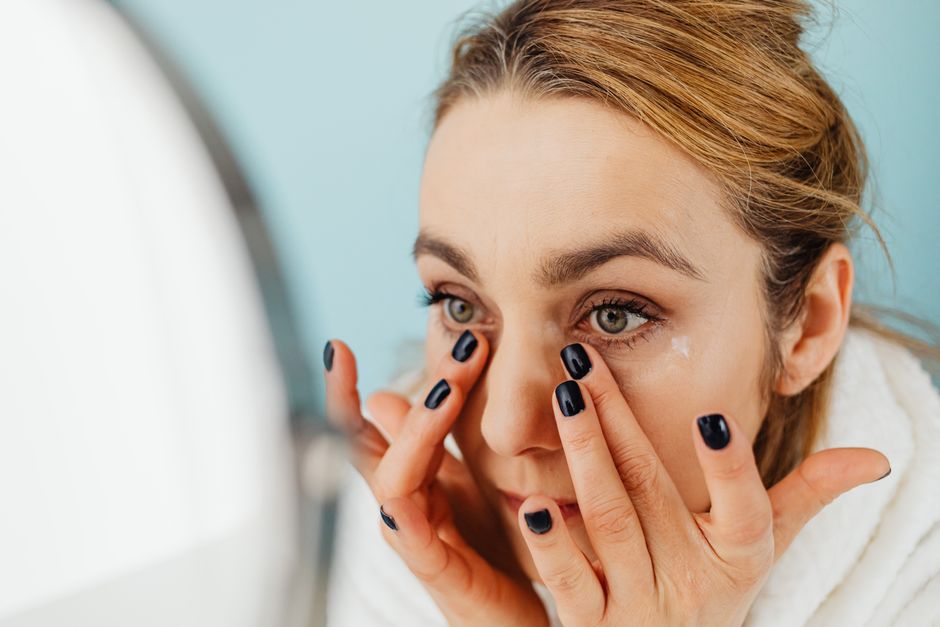
Allergic eye swelling happens when your immune system releases histamine in the thin tissue around your eyes, causing blood vessels to leak fluid into the area. The fastest way to depuff is to stop the allergen exposure, apply a cold compress for 10 to 15 minutes, and use an over-the-counter antihistamine eye drop or oral antihistamine. Cold slows the leakage and constricts vessels; antihistamines block the histamine driving it. Most allergic eye puffiness starts easing within hours once you remove the trigger and treat the reaction.
Why Do Allergies Make Your Eyes Puffy?
The skin around your eyes is among the thinnest on your body, and the tissue beneath it is loose. That anatomy explains why fluid collects there so easily.
When an allergen like pollen, pet dander, or dust touches the conjunctiva — the clear membrane lining your eyelids and covering the white of your eye — immune cells called mast cells release histamine. Histamine makes local blood vessels widen and become leaky. Fluid moves out of the vessels and into the surrounding tissue. The result is swelling, often called allergic conjunctivitis when the eyes themselves are involved.
This is why allergic eye puffiness tends to appear quickly and often on both sides. It is a local reaction, not a sign that something is wrong with your kidneys or heart. Those conditions can also cause eyelid swelling, but allergic swelling typically comes with itching, redness, and watery eyes, and it follows exposure to a trigger.
One detail people often miss: the puffiness is fluid, not fat. That matters because it means the right steps can move it. Fluid shifts respond to cold, gravity, and reducing the histamine signal. Fat pads under the eyes do not respond to any of these.
How To Depuff Eyes From Allergies Fast
Cold and antihistamines are the two fastest tools, and they work on different parts of the problem. Use them together.
Cold compress first. Wrap an ice pack or a bag of frozen vegetables in a thin cloth and hold it gently over closed eyes for about 10 to 15 minutes. Cold constricts blood vessels, which reduces both the leaking and the swelling. A cold spoon, chilled gel eye mask, or a clean washcloth soaked in cold water works too. Do not press hard or leave ice directly on the skin.
Antihistamine eye drops. Over-the-counter antihistamine eye drops target the local histamine response directly. Follow the label directions. Some drops can be used a few times a day; others less often. If you wear contacts, check whether the drop is compatible or remove the lenses first.
Oral antihistamines. A non-drowsy oral antihistamine can help if you have symptoms beyond the eyes, like sneezing or a runny nose. Older antihistamines cause more drowsiness, so read the label.
Artificial tears. Plain lubricating eye drops can physically rinse allergens off the eye surface. Keep them in the refrigerator for an added cooling effect. Preservative-free options are gentler if you use drops often.
Cool, not warm. Warm compresses are useful for other eye conditions like styes, but they are the wrong choice for allergic swelling. Heat increases blood flow and can make puffiness worse.
A gentle note on technique: pat the area dry rather than rubbing. Rubbing releases more histamine and can intensify the itch-and-swelling cycle.
What Actually Removes the Allergen?
Treatment calms the reaction, but removing the trigger stops it from restarting. This step is often skipped, and it is why some people feel better for an hour and then swell again.
Pollen settles on hair, skin, and clothing. After time outdoors during allergy season, a quick shower and a change of clothes removes pollen you would otherwise carry to your pillow. Washing your face with cool water helps too.
Indoors, keep windows closed during high-pollen periods and rely on air conditioning with a clean filter. A high-efficiency particulate air (HEPA) filter can reduce airborne allergens in a bedroom. Wash bedding in hot water regularly if dust mites are a trigger.
For pet allergies, keeping pets out of the bedroom makes a measurable difference to exposure overnight. If pollen counts are high, checking the daily count and limiting outdoor time in the morning — when counts often peak — can reduce how much you bring home.
Which Treatments Help and What the Evidence Shows
Several options exist, and they are not equally supported. Here is an honest look at what is well established versus what is weaker.
- Antihistamine eye drops: Well established for allergic conjunctivitis. They reduce itching and swelling by blocking histamine at the receptor.
- Oral antihistamines: Well established for systemic allergy symptoms. Their effect on eye puffiness specifically is real but often less direct than topical drops.
- Mast cell stabilizers: These prevent mast cells from releasing histamine. They work best as prevention taken before exposure, not as a fast rescue, because they take time to build effect.
- Combination antihistamine-mast cell stabilizer drops: Available by prescription in some forms. Some clinicians favor them for people with frequent symptoms.
- Cold compresses: Widely recommended and physiologically sound. Formal trials are limited, but the mechanism — cold constricting vessels and reducing leakage — is well established.
- Decongestant eye drops: These shrink blood vessels and reduce redness. They are not a treatment for the underlying allergy and can cause rebound redness with prolonged use, so they are generally for short-term use only.
A distinction worth making: biological plausibility is not the same as proven benefit. Cold therapy makes sense and is safe, but it has not been tested in large trials the way medications have. That does not make it wrong — it means the evidence is thinner. The medication evidence is stronger.
What Should You Avoid When Your Eyes Are Puffy?
Some common habits make allergic swelling worse. Avoiding them can matter as much as adding treatment.
Do not rub your eyes. Rubbing mechanically releases more histamine and can prolong the reaction. It can also, in rare cases, contribute to other eye problems over time.
Avoid warm compresses for allergic puffiness. Save heat for styes and blocked glands, not allergy.
Be cautious with decongestant drops for more than a few days. Prolonged use can lead to rebound redness when you stop.
Do not assume every swollen eyelid is allergy. Swelling with pain, fever, a red or hot eyelid, vision changes, or swelling that is one-sided and worsening needs medical attention. These can signal infection or other conditions that allergy treatment will not fix. If you are unsure, get it checked.
When Should You See a Doctor?
Most allergic eye puffiness is uncomfortable but not dangerous. Certain signs mean you should not wait it out.
Seek care if you have eye pain, sensitivity to light, blurred or changed vision, a feeling that something is stuck in your eye, or swelling that keeps getting worse despite treatment. Swelling around the eye that comes with fever or a hot, red eyelid can indicate infection and should be evaluated promptly.
Also see a clinician if over-the-counter options are not controlling your symptoms, if you need drops constantly, or if allergies are interfering with sleep or daily life. An allergist or eye doctor can offer prescription options and, in some cases, allergy testing to identify triggers. For people with persistent seasonal allergies, allergy shots (immunotherapy) are a longer-term approach that some studies show reduces symptoms over time, though it is not a fast fix.
How Long Does Allergic Eye Swelling Last?
With treatment and removal from the trigger, allergic eye puffiness often improves within hours and can settle substantially over a day. The exact timeline varies with how much allergen you were exposed to and how reactive you are.
If you stay in contact with the allergen, symptoms can persist or return. That is why reducing exposure matters as much as the cold compress and drops. For seasonal allergies, symptoms may recur through the season on high-pollen days even with good treatment.
Swelling that lasts for days without improvement, or that keeps coming back in the same spot, is a reason to check in with a clinician rather than assume it is allergy.
Frequently Asked Questions
How do you get rid of puffy eyes from allergies fast?
Apply a cold compress for 10 to 15 minutes, use an antihistamine eye drop, and remove yourself from the allergen. These steps together calm the histamine reaction and reduce fluid buildup.
Does cold or warm help allergic eye swelling?
Cold helps because it constricts blood vessels and reduces fluid leakage. Warm compresses are better suited to other eye conditions like styes and can worsen allergic puffiness.
Can antihistamine eye drops reduce eyelid swelling?
Antihistamine eye drops are well established for reducing itching and the allergic reaction on the eye surface. Their effect on eyelid puffiness specifically varies, and oral antihistamines may help when symptoms extend beyond the eyes.
When is puffy eye from allergies a medical emergency?
Get care promptly if swelling comes with eye pain, vision changes, light sensitivity, fever, or a hot red eyelid. These signs can point to infection or another condition that allergy treatment will not address.
