
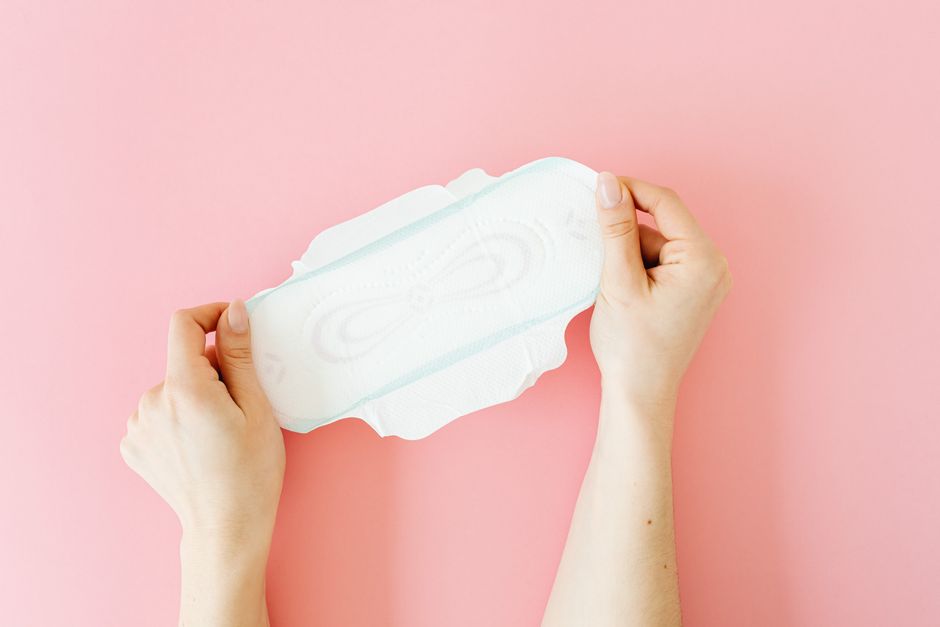
You cannot reliably delay your period by two days without medication. No food, herb, exercise routine, or home remedy has been shown in clinical studies to postpone menstruation once the cycle is already underway. The only methods with real evidence behind them are hormonal — prescription norethisterone or continuous use of combined hormonal contraception — and both require a doctor. What you can do without pills is understand your cycle well enough to plan around it, and know why the non-hormonal “tricks” you may have read about do not work.
This article explains the biology honestly, separates what is proven from what is marketing, and covers the safe options if postponing your period genuinely matters — a wedding, a competition, a medical procedure. It does not tell you to take anything. That decision belongs with a clinician who knows your health history.
Why can’t you delay a period without hormonal medication?
Menstruation is driven by a drop in two hormones: progesterone and estrogen. When pregnancy does not occur, the corpus luteum — a temporary structure in the ovary — stops producing progesterone, and the lining of the uterus (the endometrium) sheds. That shedding is your period. To delay it, you have to keep progesterone (or a synthetic equivalent) elevated past the point where it would normally fall. Nothing you eat or do changes that hormonal sequence in a predictable, controllable way.
This is the key point most home-remedy advice skips. A period is not like a headache you can head off with hydration or rest. It is the visible end result of a tightly timed hormonal cascade. Once that cascade is in motion, the tools that can interrupt it are pharmacological.
Some people point to progesterone-like compounds in certain plants. The concentration in foods and teas is far too low and too poorly absorbed to influence the menstrual cycle, and no human trial has demonstrated that any of them delays menstruation. The biological reasoning sounds plausible. The clinical evidence does not exist.
What are the only proven ways to delay a period?
Prescription hormonal methods are the only approaches with clinical evidence for postponing menstruation. There are two main routes, and both involve a doctor.
Norethisterone
Norethisterone is a synthetic progestogen available by prescription in many countries. Taken in the days before a period is due, it can hold off bleeding for a short period. It is the method most commonly used for short delays like the two-day scenario in this article. It is not available over the counter in the United States, and it is not appropriate for everyone — particularly people with a history of blood clots, certain liver conditions, or specific cardiovascular risks. A clinician must assess whether it is safe for you.
Continuous or extended combined hormonal contraception
Combined contraceptive pills, patches, and vaginal rings can be used to skip the placebo or hormone-free week, which prevents the withdrawal bleed. This is a well-established practice sometimes called continuous or extended cycling. It works best when planned in advance rather than started days before a period. It also requires a prescription and a conversation about which formulation suits you.
Neither method is a casual fix. Both carry real considerations — side effects, contraindications, and the need for medical oversight. If delaying your period matters, the responsible path is to speak with a healthcare provider well ahead of the date, not to experiment at home.
Do home remedies like lemon, vinegar, or herbs actually work?
No. There is no clinical evidence that lemon juice, apple cider vinegar, parsley, ginger, turmeric, or any other food or herb delays a period. These remedies circulate widely online, often framed as “natural” alternatives to pills. The framing is misleading. “Natural” does not mean effective, and it does not mean risk-free.
Some of these substances are not harmless. Large or concentrated doses of certain herbs and plant extracts can cause digestive upset, interact with medications, or — in the case of some traditional emmenagogues (substances historically used to bring on menstruation) — carry risks that are poorly studied. Parsley oil in particular has been associated with harm at high doses. The absence of regulation does not equal safety.
There is also a practical problem: even if one of these remedies did something, you would have no way to control the dose or predict the effect. Menstrual timing is not a lever you can nudge with diet. The honest position is that these methods are unproven and should not be relied on.





Can exercise, stress, or lifestyle changes delay a period?
Severe physical stress can disrupt the menstrual cycle — but not in a way you can schedule. Intense endurance training, significant rapid weight loss, and prolonged psychological stress can suppress ovulation and cause periods to become irregular or stop altogether. This is a recognized phenomenon, sometimes called functional hypothalamic amenorrhea when it becomes persistent. It is a sign that the body’s reproductive signaling has been disrupted, often alongside effects on bone health and other systems.
What this is not: a controllable tool. You cannot induce a convenient two-day delay by suddenly exercising hard or stressing yourself. The disruption, when it happens, is unpredictable, takes time to develop, and comes with genuine health costs. Treating menstrual suppression as a lifestyle hack misunderstands what is happening. It is closer to a warning sign than a feature.
Moderate exercise and stress management are good for overall health. They will not move your period by two days on demand.
Is it safe to try to delay your period on your own?
Attempting to delay a period without medical guidance is not a good idea, for two reasons. First, the non-hormonal methods do not work, so you are spending effort and sometimes money on something with no benefit. Second, some of the substances promoted online carry real risks, and self-experimenting with hormones obtained without a prescription is genuinely dangerous.
Hormonal medications affect blood clotting, blood pressure, and liver function. Used without screening, they can cause harm — particularly in people with risk factors they may not know they have. This is why these medicines are prescription-only in most places. The screening is not bureaucracy. It is the part that keeps people safe.
If your reason for wanting to delay is significant — a medical procedure, a competition, a once-in-a-lifetime event — that is a legitimate reason to talk to a clinician. They can weigh the options with you and tell you honestly whether delaying is advisable in your case. Sometimes the answer is that it is not worth the risk, and that is useful information too.
What can you do instead if pills aren’t an option?
If hormonal methods are off the table, the realistic approach is planning rather than prevention. You cannot stop the period, but you can reduce how much it interferes with your plans.
- Track your cycle. Knowing your typical cycle length and the signs that a period is approaching helps you anticipate timing. Cycle-tracking apps and simple calendars both work; accuracy improves the more cycles you record.
- Prepare for management, not delay. Menstrual cups, period underwear, and high-absorbency products can make a period easier to handle during an event or trip.
- Plan around predictable symptoms. If you know cramps or fatigue tend to hit on certain days, you can build in rest or adjust commitments where possible.
- Talk to a clinician about your cycle overall. If your periods are heavy, painful, or irregular, that is worth investigating on its own — not just for scheduling, but for your health.
None of this delays a period. It reduces the disruption. That distinction matters, because chasing an unproven delay can waste time and expose you to risk for no gain.
When should you see a doctor about your period?
See a healthcare provider if your periods are consistently heavy enough to interfere with daily life, if they are very painful, if your cycle is frequently irregular, or if bleeding occurs between periods. These can be signs of conditions — such as fibroids, thyroid problems, or hormonal imbalances — that deserve proper evaluation. This is separate from wanting to delay a period, but it is the more important conversation for your long-term health.
If you specifically want to postpone a period for an event, raise it early. Clinicians can advise on timing and safety, and early planning gives more options than a last-minute request. There is no reliable do-it-yourself method, and a doctor can tell you plainly whether a hormonal approach is appropriate for you.
Frequently Asked Questions
Can you delay your period for 2 days naturally?
No. No food, herb, or lifestyle change has been shown in clinical studies to delay a period by two days or any other length of time. The only methods with evidence are prescription hormonal medications.
Does lemon juice or apple cider vinegar delay a period?
No. There is no clinical evidence that either delays menstruation, and relying on them wastes time while offering no benefit. Some concentrated home remedies carry their own risks.
How do you delay your period without pills?
You cannot reliably delay a period without hormonal medication. Without pills, the realistic option is managing the period with products and planning rather than postponing it.
Can stress delay your period?
Severe or prolonged stress can disrupt the menstrual cycle and cause irregular or missed periods, but it is unpredictable and not a controllable way to delay bleeding on a specific date.
