

Dementia is not an inevitable part of aging. While age is the single strongest known risk factor, a large body of research shows that several modifiable habits — controlling blood pressure, staying physically and mentally active, protecting hearing, and managing blood sugar — are linked to lower dementia risk or a later onset of symptoms. No lifestyle plan can guarantee you will avoid dementia, but the evidence supporting these steps is stronger than for most supplements or products sold for “brain health.”
What Does “Delay Dementia” Actually Mean?
Dementia is an umbrella term for a decline in memory, reasoning, and daily function severe enough to interfere with normal life. Alzheimer’s disease is the most common cause, but vascular dementia, Lewy body dementia, and mixed dementia are also common. These are progressive conditions, and no current treatment reverses them.
“Delay” means pushing back the point at which symptoms become noticeable or disabling. That distinction matters. A delay of even a few years can mean more time with independence, and at the population level it can meaningfully reduce how many people ever reach the stage of needing full-time care.
It also matters because the biology of dementia begins years or decades before symptoms appear. By the time memory problems are obvious, substantial brain changes are usually already present. This is why prevention research focuses on midlife habits, not just what you do after age 70.
Why Blood Pressure Control May Be the Strongest Single Lever
High blood pressure in midlife is one of the most consistently identified modifiable risk factors for later dementia, including both Alzheimer’s disease and vascular dementia. The mechanism is well understood: chronic high blood pressure damages small blood vessels in the brain, reducing blood flow and contributing to the vascular damage seen in many dementia cases.
The SPRINT MIND trial, published in the Journal of the American Medical Association, found that intensive blood pressure lowering in older adults was associated with a lower risk of mild cognitive impairment, a common precursor to dementia. That finding is one of the clearest pieces of evidence linking a single modifiable factor to brain outcomes.
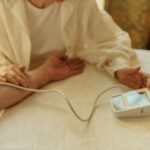
What this means practically: get your blood pressure checked, know your numbers, and if it is elevated, work with a clinician on management. For most adults, a normal blood pressure reading is below 120/80 mmHg. A diagnosis of hypertension generally begins at 130/80 mmHg or higher, though thresholds can vary based on individual circumstances and current guidelines.
Blood pressure control is not just a heart issue. It is one of the few interventions with direct evidence for brain protection.
Does Physical Exercise Really Protect the Brain?
Regular physical activity is associated with lower dementia risk in many large observational studies. The evidence is strongest for aerobic activity — anything that raises your heart rate and makes you breathe harder, such as brisk walking, cycling, or swimming.
The proposed mechanisms are plausible and supported by some research. Exercise improves blood flow to the brain, helps regulate blood sugar and blood pressure, reduces inflammation, and may support the growth of new neural connections. Some studies have found that physically active adults have larger hippocampal volume, a brain region critical for memory.
What the evidence does not yet show is a specific “dose” that guarantees protection. There is no established exercise prescription proven to prevent dementia. General physical activity guidelines for adults recommend at least 150 minutes of moderate-intensity aerobic activity per week, plus muscle-strengthening activity on two or more days per week. Those guidelines were developed for cardiovascular and metabolic health, not specifically for dementia prevention, but the overlap in benefit is reasonable to expect.
Important caveat: observational studies show association, not proof of cause. People who exercise may differ from those who do not in other ways that affect brain health. Still, given the broad benefits of exercise and the low risk, it is one of the most sensible steps anyone can take.




How Does Hearing Loss Connect to Dementia Risk?
Hearing loss is one of the more surprising modifiable risk factors identified in dementia research. Multiple large studies have found that people with untreated hearing loss are more likely to develop dementia later in life, and the risk appears to increase with the severity of the hearing loss.
The reasons are not fully settled. One leading theory is that hearing loss leads to social isolation and reduced cognitive stimulation, both of which are themselves linked to cognitive decline. Another is that the brain must work harder to process sound, diverting resources from other cognitive tasks. A third possibility is a shared underlying process affecting both hearing and brain function.
Whether hearing aids reduce dementia risk is an active area of research. Some studies suggest they may help, but the evidence is not yet definitive. What is clear is that untreated hearing loss is associated with worse cognitive outcomes, and treating it improves quality of life and communication regardless.
Do Diet and Blood Sugar Matter for Brain Health?
Type 2 diabetes and poorly controlled blood sugar are consistently linked to higher dementia risk. The connection is strong enough that some researchers refer to Alzheimer’s disease as “type 3 diabetes,” though that term is not a formal medical diagnosis and oversimplifies the relationship.
What the evidence supports: keeping blood sugar in a healthy range, avoiding or managing type 2 diabetes, and eating a diet rich in vegetables, fruits, whole grains, and healthy fats. The Mediterranean diet and the MIND diet (a hybrid of Mediterranean and DASH diets) have both been studied for cognitive outcomes. Results are promising but not conclusive — no single diet has been proven to prevent dementia.
What the evidence does not support: specific supplements marketed for brain health. No vitamin, mineral, or herbal supplement has been shown in large trials to prevent dementia. Some, like high-dose vitamin E, carry risks. Marketing claims for these products are not supported by clinical evidence.
Does Mental and Social Engagement Help?
Keeping your brain active — through learning, puzzles, reading, socializing, or hobbies — is associated with better cognitive outcomes in later life. The concept of “cognitive reserve” suggests that people who engage in mentally stimulating activities may be able to tolerate more brain damage before symptoms appear.
Social isolation is a recognized risk factor for cognitive decline. Regular interaction with others appears to be protective, likely through a combination of mental stimulation, stress reduction, and emotional support.
What is less clear is whether specific “brain training” programs offer advantages over any other form of mental engagement. The evidence suggests that the type of activity matters less than staying consistently engaged. Learning something new and challenging is likely more beneficial than repeating familiar tasks.
What About Sleep, Smoking, and Alcohol?
Several other factors are linked to dementia risk, though the evidence varies in strength:
- Smoking: Smoking is associated with higher dementia risk, and quitting at any age appears to reduce it. This is one of the more established findings.
- Alcohol: Heavy drinking is harmful to the brain. Some studies suggest light to moderate drinking may be neutral or slightly protective, but this is contested, and no safe level has been established for brain health specifically.
- Sleep: Poor sleep and sleep disorders like sleep apnea are associated with cognitive decline. Treating sleep apnea may help, but the direct evidence for dementia prevention is limited.
- Head injury: Moderate to severe traumatic brain injury is linked to higher dementia risk. Protecting your head — through seatbelts, helmets, and fall prevention — is sensible.
None of these factors works in isolation. Dementia risk is the product of many influences, some of which you cannot change and some of which you can.
What the Evidence Does Not Support
A great deal of money is spent on products and programs claiming to prevent dementia. Most lack supporting evidence.
- No supplement has been shown in large randomized trials to prevent dementia.
- No specific “brain game” has been proven to prevent dementia, though general mental engagement may help.
- No diet has been proven to prevent dementia, though healthy eating patterns are associated with lower risk.
- No single lifestyle change guarantees protection.
The honest position is that dementia prevention is an active area of research with real progress but no certainties. The steps with the strongest evidence — blood pressure control, physical activity, hearing protection, blood sugar management, and avoiding smoking — are also steps that improve overall health. That makes them worth taking regardless of whether they ultimately prevent dementia.
Can You Realistically Lower Your Risk?
Yes, but with important qualifications. The evidence suggests that a combination of healthy habits is associated with lower dementia risk, and the effect appears larger when multiple factors are addressed together rather than one at a time.
What no one can tell you is your personal risk or how much any single change will alter it. Dementia is influenced by genetics, age, and other factors outside your control. Some people with excellent habits still develop dementia, and some with poor habits never do.
The most reasonable approach is to focus on the factors with the strongest evidence and the broadest benefits. Control your blood pressure. Stay physically active. Protect your hearing. Manage blood sugar. Stay socially and mentally engaged. Avoid smoking. These steps are not a guarantee, but they are the best-supported actions available.
Frequently Asked Questions
Can dementia really be prevented?
No lifestyle plan has been proven to prevent dementia entirely, but several habits are linked to lower risk or later onset. The strongest evidence supports blood pressure control, physical activity, and hearing protection.
What is the single most effective lifestyle change to delay dementia?
Blood pressure control in midlife has the most consistent evidence for reducing dementia risk. The SPRINT MIND trial found that intensive blood pressure lowering was associated with lower risk of mild cognitive impairment.
Do brain games or supplements help prevent dementia?
No supplement has been shown in large trials to prevent dementia, and no specific brain game has been proven to do so either. General mental and social engagement is associated with better cognitive outcomes, but the type of activity matters less than staying consistently engaged.
At what age should I start worrying about dementia prevention?
Midlife habits appear to matter most, since brain changes begin years before symptoms. That said, adopting healthier habits at any age is associated with benefits for brain and overall health.
