
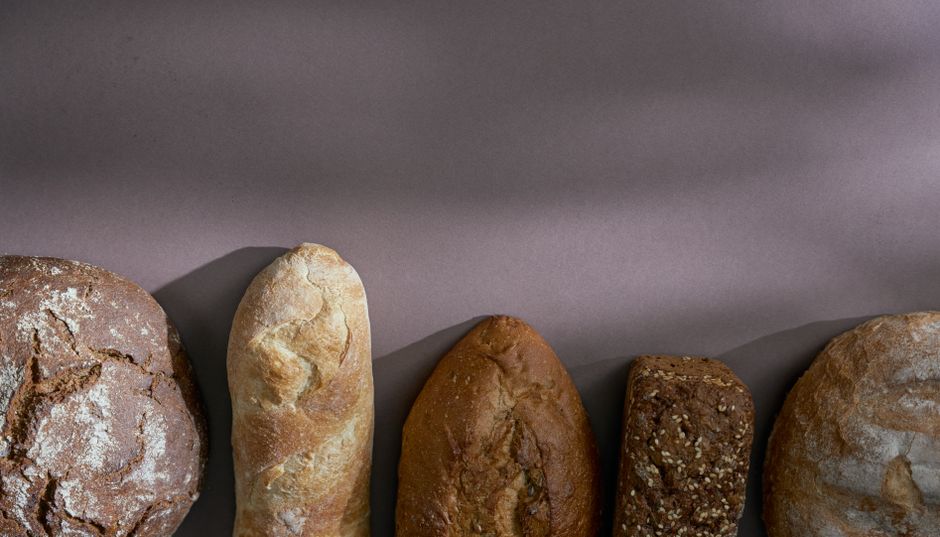
Freezing bread is one of the best ways to keep it fresh, but defrosting it the wrong way can turn a good loaf into a sad, soggy mess. The best method is simple: take the bread out of the freezer, remove it from its plastic wrap, and let it sit at room temperature for about 30 to 60 minutes. For a slice, 10 to 15 minutes is usually enough. If you want that fresh-baked taste and crisp crust, the toaster or oven is your best friend.
Why Does Bread Go Stale in the Freezer?
Bread staling is not about losing moisture. It is about starch molecules changing structure. This process is called retrogradation. When bread cools after baking, the starch molecules start to crystallize. This makes the crumb firm and dry, even if the bread still has plenty of water in it.
Freezing slows this process down dramatically, but it does not stop it completely. At freezer temperatures, the starch molecules barely move. That is why frozen bread can taste almost fresh for months. The catch is that freezing and thawing can damage the bread’s structure if you do it carelessly. Ice crystals form inside the loaf and can puncture the gluten network, which is what gives bread its chewy texture. Faster freezing creates smaller ice crystals, which cause less damage.
How To Defrost Frozen Bread? Step by Step
Here is the most reliable way to defrost a whole loaf of frozen bread:
- Remove the bread from the freezer. Take off any plastic wrap or freezer bag while the bread is still frozen. This is important. If you leave the wrap on during thawing, condensation forms inside the plastic. That moisture makes the crust soggy.
- Place the loaf on a wire rack. A cooling rack allows air to circulate around the entire loaf. If you do not have a rack, use a cutting board, but flip the bread halfway through.
- Cover loosely with a clean kitchen towel. This protects the surface from dust while still letting moisture escape.
- Let it sit at room temperature. A standard loaf takes 30 to 60 minutes. A thick artisan loaf or a dense sourdough can take up to 2 hours. The bread is ready when the center feels soft and springs back when you press it gently.
- Refresh the crust in the oven. If you want the crust crisp again, place the thawed loaf in an oven preheated to 350°F (175°C) for 5 to 10 minutes. This step is optional but makes a big difference for crusty breads.
For individual slices, skip the rack and towel. Just take out the number of slices you need, let them sit at room temperature for 10 to 15 minutes, or pop them straight into the toaster. Toasting frozen bread directly is perfectly fine and often the easiest option.
What Is the Fastest Way To Defrost Bread?
The microwave is the fastest method, but it comes with trade-offs. A slice of frozen bread takes about 15 to 30 seconds in the microwave. A whole loaf takes 1 to 2 minutes. The problem is that microwaves heat water molecules unevenly. You often end up with a hot, rubbery, and chewy texture. The crust becomes leathery, and the center can turn gummy.
If you are in a hurry and only need a slice or two, the toaster is a better choice than the microwave. It heats quickly and gives you a crisp exterior. For a whole loaf, the oven is the best fast option. Preheat to 350°F (175°C) and heat the frozen loaf directly on the oven rack for 15 to 20 minutes. This thaws the bread and refreshes the crust at the same time. Watch it closely to avoid burning the outside before the inside thaws.





How Long Does Frozen Bread Last?
Properly stored bread keeps its quality for about 3 to 6 months in the freezer. After that, it is still safe to eat, but the texture and flavor decline. Ice crystals slowly grow over time, even in a stable freezer. This process, called recrystallization, gradually dries out the bread and makes it taste stale.
The key to long-term storage is wrapping the bread well. The goal is to block air and moisture. A good method is to wrap the loaf tightly in plastic wrap, then place it in a heavy-duty freezer bag. Squeeze out as much air as possible before sealing. Double wrapping protects against freezer burn, which happens when moisture on the bread’s surface evaporates and leaves dry, discolored patches.
Slice the bread before freezing if you plan to use it a few slices at a time. This lets you remove only what you need without thawing the whole loaf. Separate slices with small pieces of parchment paper so they do not stick together.
Can You Refreeze Bread After Thawing?
Yes, but quality suffers each time. Every freeze-thaw cycle damages the bread’s structure a little more. The starch retrogradation process restarts, and the ice crystals that form during the second freeze are often larger because the bread is softer and holds more moisture. The result is drier, crumblier bread.
Refreezing is safe from a food safety standpoint as long as the bread has not been left at room temperature for more than 2 hours. The USDA considers 2 hours the safe limit for perishable foods at room temperature. Bread is low-risk compared to meat or dairy, but the same rule is a reasonable guideline. If you thawed the bread in the refrigerator, you have a bit more time, but it is still best to refreeze quickly.
If you know you will not finish a loaf, slice it and freeze only what you need. This avoids the refreezing problem entirely.
Does Freezing Bread Make It Healthier?
No, freezing does not change the nutritional content of bread in any meaningful way. Calories, carbohydrates, protein, and fiber remain the same. The one change researchers have studied involves resistant starch. Some studies suggest that cooling and freezing bread increases the amount of resistant starch, which acts like fiber in the digestive system. This is a real effect, but it is small. It does not turn white bread into a health food.
There is also a common claim that freezing bread lowers its glycemic index. Some research supports this idea, but the effect varies by bread type and how it is reheated. Toasting frozen bread may have a slightly different effect on blood sugar than eating it fresh, but no large human trials have confirmed a consistent benefit. If you are managing diabetes, you should still count the carbohydrates in bread the same way whether it is fresh or frozen.
Why Does My Bread Turn Soggy After Thawing?
Soggy bread after thawing is almost always a moisture problem. When frozen bread warms up, condensation forms on the surface. If the bread is sealed in plastic, that moisture has nowhere to go. It soaks into the crust and makes it soft and wet. This is why removing the plastic wrap before thawing is so important.
Another cause is freezing bread that was not completely cool. If you freeze warm bread, moisture inside the loaf condenses and creates large ice crystals. This damages the structure and leaves the bread gummy after thawing. Always let bread cool completely to room temperature before freezing. This usually takes 2 to 3 hours for a standard loaf.
Some breads simply freeze better than others. Dense, hearty breads like sourdough, rye, and whole grain hold up well. Light, airy breads with delicate crusts, like French baguettes, are more prone to texture changes. Store-bought sandwich bread freezes well because it often contains added fats and preservatives that help maintain softness.
Frequently Asked Questions
How long does frozen bread take to thaw at room temperature?
A whole loaf takes 30 to 60 minutes at room temperature, while individual slices take 10 to 15 minutes. Dense artisan loaves can take up to 2 hours.
Can I toast bread directly from the freezer?
Yes, toasting frozen bread directly is safe and one of the easiest ways to defrost a single slice. It may take one extra toaster cycle compared to fresh bread.
Is it safe to refreeze bread that has been thawed?
Yes, it is safe as long as the bread has not been at room temperature for more than 2 hours. Expect the texture to be drier and crumblier after a second freeze.
Should I thaw bread in the refrigerator?
You can, but it takes several hours and is not necessary for bread. Room temperature thawing is faster and produces a softer texture.
