
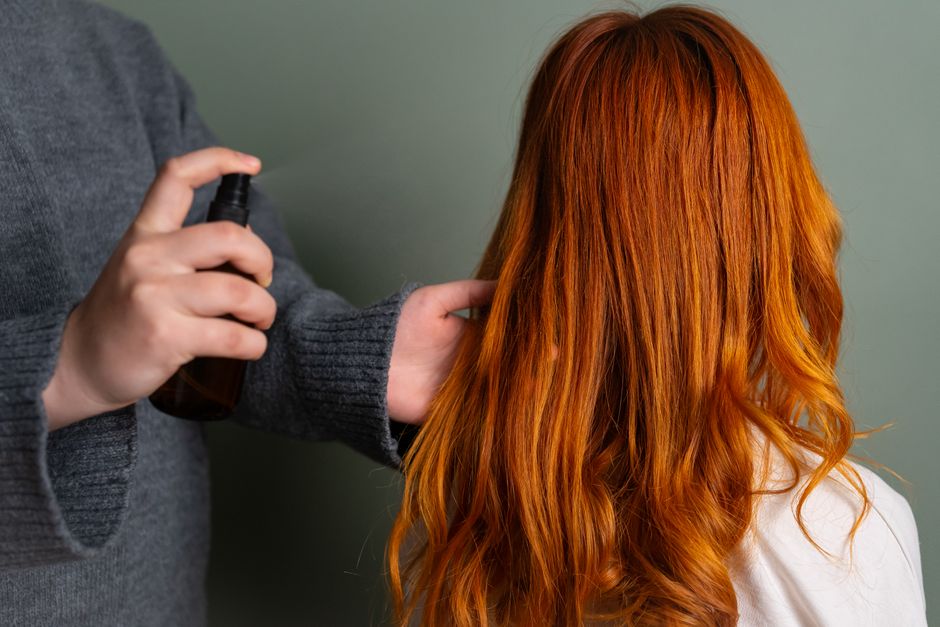
Deep conditioning is a temporary treatment that adds moisture and slip to hair and helps reduce breakage during handling. You apply a richer product than your everyday conditioner, leave it on for the time the label directs, then rinse. It coats and smooths the outer layer of the hair shaft, and some formulas also deposit moisture-attracting ingredients and small amounts of protein. It cannot repair hair that has already broken or split — no product can — but done correctly and on a sensible schedule, it makes hair softer, easier to detangle, and less likely to snap.
What Does Deep Conditioning Actually Do to Your Hair?
Each hair is a strand of mostly protein (keratin) covered by an outer layer of overlapping scales called the cuticle. When the cuticle sits flat, hair feels smooth and reflects light. When it lifts — from washing, brushing, heat, or chemical treatments — the strand loses moisture faster, feels rough, and tangles more.
A deep conditioner works mainly on that outer layer. Its conditioning agents smooth the cuticle and reduce friction between strands. Humectant ingredients attract and hold water in the hair. Oils and silicones add a light coating that increases slip. Some formulas include hydrolyzed proteins — proteins broken into small fragments — that can temporarily fill gaps in the surface of damaged hair.
Here is the part people often get wrong: none of this rebuilds the internal structure of a damaged strand. Hair is not living tissue. Once a strand leaves the scalp, it cannot repair itself. A deep conditioner improves how hair feels and how it behaves during styling. It does not undo damage. That distinction matters, because it sets realistic expectations and stops you from spending money chasing a repair that cannot happen.
What a good deep conditioner can realistically do:
- Reduce friction and breakage during combing and styling
- Improve softness and manageability
- Add temporary shine by smoothing the cuticle
- Reduce frizz caused by lifted cuticles and static
- Make damaged hair feel and look better between trims
How To Deep Condition Hair Step by Step
The method is simple, but the details decide whether it helps or backfires. Start with damp, freshly washed hair. Water opens the cuticle slightly, which lets conditioning ingredients penetrate the surface better than on bone-dry hair.
Squeeze out excess water so the product is not diluted. Apply a generous amount from the mid-lengths to the ends, where hair is oldest and most worn. The scalp produces its own oils and usually needs less conditioning, so heavy product at the roots mainly adds weight and greasiness.
Use a wide-tooth comb to spread the product evenly and gently detangle. Then let it sit for the time on the label — often a few minutes, longer for some intensive treatments. Covering hair with a shower cap or warm towel can help keep it damp and slightly warm, which some people find improves results, though the evidence that heat meaningfully boosts penetration is limited. Rinse thoroughly with cool or lukewarm water until the water runs clear.
A few practical points that separate a good result from a bad one:
- Do not apply to a dry scalp — dilution and even spreading are harder
- Do not leave it on for hours hoping for more benefit; follow the label
- Rinse fully — leftover product weighs hair down and attracts dirt
- Do not brush wet hair aggressively afterward; wet hair stretches and breaks more easily
How Often Should You Deep Condition?
There is no single correct schedule, and no clinical guideline sets one. Frequency depends on your hair’s texture, how much heat or chemical processing it gets, and how it responds. For most people, once a week or every other week is a reasonable starting point. Very dry, coarse, or chemically treated hair may benefit from more frequent use. Fine or easily weighed-down hair often does better with less.
The honest position: the right frequency is best found by paying attention to your own hair rather than following a fixed rule. If hair feels limp, greasy, or coated, you are likely overdoing it. If it still feels rough and tangles easily, you may need more or a different formula. There is no evidence that a specific number of sessions per week is optimal for everyone.
Do You Need Heat for Deep Conditioning To Work?
Heat is optional, not essential. Some people use a warm towel, a shower cap, or a hooded dryer while a treatment sits. The idea is that warmth helps lift the cuticle and lets ingredients penetrate better. That reasoning is plausible, but the evidence that added heat produces meaningfully better results in real use is limited. Many effective deep conditioners work at room temperature.
If you do use heat, keep it gentle. High heat on hair — from dryers held close, flat irons, or very hot water — can itself damage the cuticle. Warmth is the goal, not heat strong enough to feel uncomfortable. And never leave a heat source unattended or use a hot tool near water.
Protein vs. Moisture: What’s the Difference?
Deep conditioners generally fall into two broad camps, and knowing which you need helps. Moisture-focused products use humectants and emollients to soften hair and improve flexibility. Protein-focused products use hydrolyzed proteins to temporarily strengthen the surface of damaged strands.
Hair that feels dry, brittle, and straw-like often responds to moisture. Hair that feels limp, mushy, or overly stretchy when wet — common after chemical treatments — may respond better to protein. Using too much protein can make hair feel stiff and rough, so it is not something to overdo. Many people alternate between the two types rather than using one exclusively.
The evidence for exactly how much protein a given hair type needs is thin. This is one area where trial and error, guided by how your hair feels, is more reliable than any general rule.
What Ingredients Should You Look For?
Ingredient lists are long and marketing-heavy, so focus on the categories that actually do the work.
Humectants — such as glycerin — attract and hold water. Emollients and oils — such as coconut oil or shea butter — soften and add slip. Silicones smooth the cuticle and reduce friction. Hydrolyzed proteins — often listed as hydrolyzed wheat, silk, or keratin protein — can temporarily fill surface gaps. Fatty alcohols like cetyl and stearyl alcohol are not drying; they are conditioning agents that help soften hair, despite the confusing name.
Be skeptical of dramatic claims. No ingredient has been shown to permanently repair split ends or regrow damaged structure. Products that promise to “heal” or “restore” hair are using loose language. What they can do is improve how hair feels and reduce further breakage — which is genuinely useful, just not the same thing.
Common Mistakes That Undo the Benefit
Most disappointing results come from technique, not the product. Applying conditioner only to the scalp and skipping the ends — where it is most needed — is a frequent error. So is leaving product in without rinsing, which leaves hair coated and heavy.
Over-washing with harsh shampoos strips hair and works against conditioning. Rough towel-drying and aggressive brushing on wet hair cause breakage that no conditioner can fix. And relying on deep conditioning to rescue badly damaged hair delays the one thing that actually removes split ends: a trim.
Deep conditioning is a maintenance tool. It supports healthy-looking hair and reduces breakage, but it does not replace regular trims, gentle handling, or limiting heat and chemical damage in the first place.
Frequently Asked Questions
How often should I deep condition my hair?
For most people, once a week or every other week is a reasonable starting point. Adjust based on how your hair feels — limp and greasy means less, rough and tangly means more.
Can deep conditioning repair split ends?
No. No product can permanently repair a split end; the only fix is trimming it off. Deep conditioners can smooth the appearance of damage and reduce further breakage.
Should I deep condition on wet or dry hair?
Apply it to damp, freshly washed hair for best results. Water helps the product spread evenly and work on the cuticle.
Is it bad to leave deep conditioner in overnight?
Follow the product’s label, which usually gives a set time. Leaving it on far longer than directed is not shown to add benefit and can leave hair weighed down or coated.
