
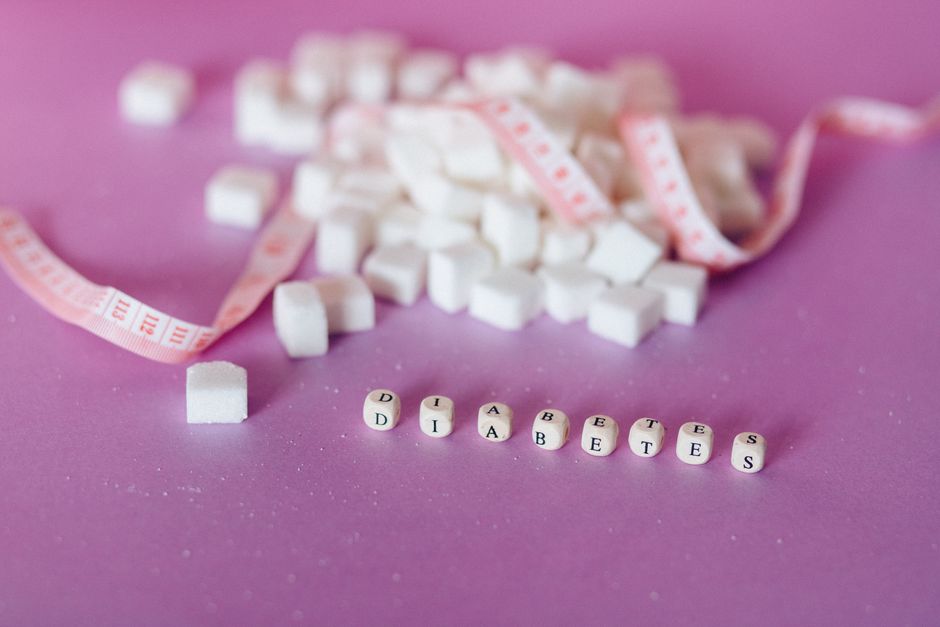
High blood sugar is a common health issue, and the steps to lower it are more straightforward than many people think. The most direct way to decrease your blood sugar level is to combine regular physical activity with immediate dietary adjustments, such as drinking water and choosing foods that do not spike glucose. For a lasting effect, you need a consistent routine that includes balanced meals, portion control, and adequate sleep.
What Is a Normal Blood Sugar Level?
Before you can lower your blood sugar, you need a clear target. A normal fasting blood sugar level is between 70 and 99 mg/dL. A diagnosis of diabetes is typically made when a fasting blood sugar level reaches 126 mg/dL or higher on two separate tests.
Prediabetes falls in the middle. This is when fasting blood sugar sits between 100 and 125 mg/dL. At this stage, lifestyle changes are highly effective at preventing progression to type 2 diabetes. Knowing your numbers is the first step to managing them.
How To Decrease Sugar Level In Blood With Immediate Steps
If your blood sugar is high right now, you need quick action. The fastest way to lower blood sugar is through physical activity. When your muscles contract, they pull glucose from your blood to use for energy. This works independently of insulin.
A brisk 15 to 30-minute walk after a meal is often enough to make a measurable difference. If you cannot walk, any movement helps. Simple bodyweight exercises like squats or arm raises work too. The goal is to get your large muscles moving.
Drinking water is another immediate step. Dehydration concentrates the sugar in your blood. Water helps your kidneys flush out excess glucose through urine. There is no set amount that works for everyone, but replacing sugary drinks with plain water is a clear win.
Do not exercise if your blood sugar is above 240 mg/dL and you have ketones in your urine. This can push your blood sugar even higher. In that situation, drink water and contact a healthcare provider.
Which Foods Lower Blood Sugar Quickly?
No food will lower your blood sugar like medication does. But some foods slow the rise of blood sugar after meals. Foods high in fiber, especially soluble fiber, form a gel in your gut. This slows digestion and the absorption of sugar into your bloodstream.
Good choices include oats, barley, beans, lentils, and vegetables like broccoli and carrots. Nuts and seeds add protein and healthy fat, which also slow digestion. Pairing carbohydrates with protein or fat at every meal is a reliable strategy.
Vinegar may help. Some research suggests that taking one to two tablespoons of vinegar with a high-carbohydrate meal can modestly reduce the post-meal blood sugar spike. The effect is small and not a replacement for medication. But it is a low-risk addition to your routine if you enjoy it.
Eating order matters. Studies show that eating vegetables and protein before carbohydrates leads to a smaller blood sugar rise compared to eating carbs first. This is a simple change that costs nothing and requires no willpower beyond plate arrangement.





What Is the Role of Carbohydrates in Blood Sugar?
Carbohydrates are the main driver of blood sugar. When you eat carbs, your body breaks them down into glucose, which enters your bloodstream. The speed and size of that rise depend on the type of carbohydrate and the portion size.
Refined carbohydrates like white bread, white rice, and sugary snacks cause rapid spikes. Whole grains and legumes release glucose more slowly. This is the concept behind the glycemic index, which ranks foods by how quickly they raise blood sugar.
Portion control is just as important as food choice. A small portion of a high-glycemic food may raise blood sugar less than a large portion of a low-glycemic food. The total amount of carbohydrates you eat matters most.
A simple approach is the plate method. Fill half your plate with non-starchy vegetables, a quarter with lean protein, and a quarter with whole grains or starchy vegetables. This naturally controls portion sizes without counting grams.
How Does Exercise Affect Blood Sugar Long Term?
Exercise has both immediate and long-term effects on blood sugar. In the short term, it lowers glucose by using it for fuel. Over weeks and months, exercise improves insulin sensitivity. This means your cells become better at responding to insulin and pulling glucose out of your blood.
Both aerobic exercise and resistance training help. Aerobic exercise like walking, swimming, or cycling improves how your body uses glucose during activity. Resistance training builds muscle, and muscle tissue burns more glucose even at rest.
The American Diabetes Association recommends at least 150 minutes of moderate-intensity aerobic activity per week. This breaks down to about 30 minutes a day, five days a week. Adding two to three sessions of resistance training per week provides additional benefit.
Consistency matters more than intensity. A moderate daily walk is more effective than an intense workout once a week. Regular movement keeps your insulin sensitivity high and your blood sugar stable.
Can Sleep and Stress Affect Blood Sugar?
Sleep and stress are often overlooked but they have a direct impact on blood sugar. Poor sleep reduces insulin sensitivity. One night of partial sleep deprivation can impair your body’s ability to process glucose the next day.
Chronic stress raises cortisol, a hormone that signals your liver to release glucose into your blood. This is a survival mechanism designed to give you energy for a perceived threat. But ongoing stress keeps blood sugar elevated when you do not need that extra energy.
Prioritizing sleep is a practical step. Aim for seven to nine hours per night. A consistent sleep schedule, a dark cool room, and no screens an hour before bed all help.
For stress, find what works for you. Deep breathing, walking, or talking to a friend all lower cortisol. The specific technique matters less than doing it regularly.
When Should You See a Doctor About High Blood Sugar?
Lifestyle changes are powerful, but they do not work for everyone. If you have tried diet and exercise changes and your blood sugar remains above target, you need medical input. This is not a personal failure. It is simply how the disease works for some people.
See a doctor if you have symptoms of high blood sugar. These include increased thirst, frequent urination, blurred vision, fatigue, and slow-healing wounds. These symptoms warrant a blood test even if you feel otherwise fine.
Your doctor can order an A1C test. This measures your average blood sugar over the past two to three months. It gives a bigger picture than a single finger-prick reading.
Do not stop or adjust diabetes medication on your own. Some medications can cause dangerously low blood sugar if combined with intense diet changes. Any medication change must be done with medical supervision.
What Are the Signs of a Blood Sugar Emergency?
Very high blood sugar can lead to a serious condition called diabetic ketoacidosis. This happens when your body cannot use glucose for energy and breaks down fat instead. This produces ketones, which make your blood acidic.
Symptoms of this emergency include nausea, vomiting, abdominal pain, confusion, fruity-smelling breath, and rapid breathing. This is a medical emergency. Call emergency services or go to an emergency room immediately.
Low blood sugar is also dangerous. Symptoms include shaking, sweating, confusion, and irritability. If you take insulin or certain diabetes medications, you are at risk. Treat low blood sugar with 15 grams of fast-acting carbs like glucose tablets or juice, then recheck after 15 minutes.
Frequently Asked Questions
How fast does exercise lower blood sugar?
Exercise can lower blood sugar within 15 to 30 minutes of starting activity. The effect can last for several hours after you finish exercising.
What drink lowers blood sugar the fastest?
Water is the best drink for lowering blood sugar because it helps your kidneys flush out excess glucose. Unsweetened tea and coffee are also good options, but no drink has a direct sugar-lowering effect like medication does.
Can drinking apple cider vinegar lower blood sugar?
Some research suggests vinegar taken with a meal can modestly reduce the post-meal blood sugar spike. The effect is small and should not replace prescribed diabetes treatment.
Does walking after meals lower blood sugar?
Yes, a 15 to 30-minute walk after a meal can significantly reduce the blood sugar rise that follows eating. This works because active muscles pull glucose from the blood without needing insulin.
