
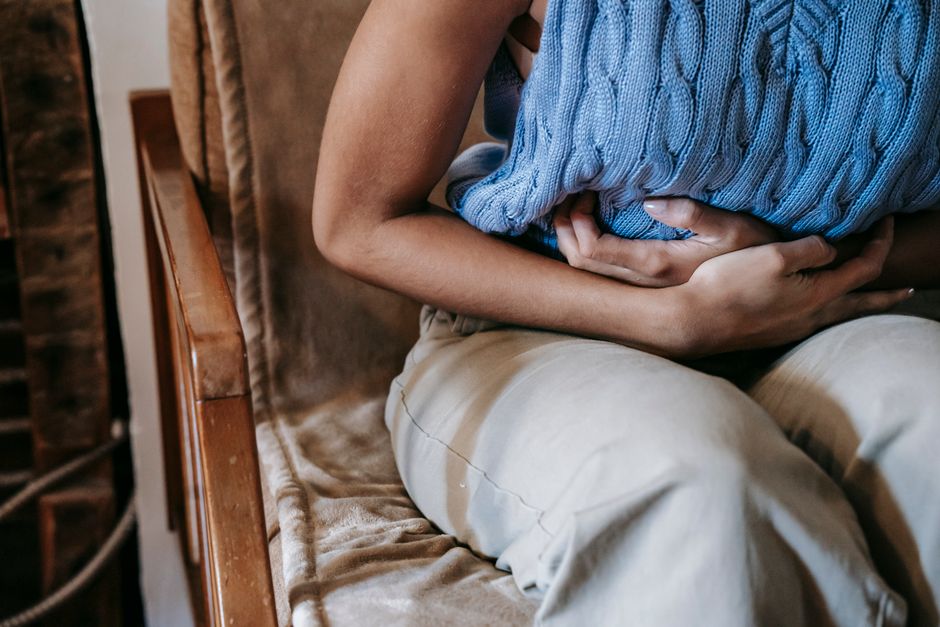
PMS bloating is real, it is common, and it is driven by hormone shifts rather than by anything you did wrong. The most reliable ways to decrease PMS bloating are to reduce salt intake in the week before your period, stay hydrated, eat potassium-rich foods, move your body daily, and get enough sleep. These steps target the fluid shifts and digestion changes that cause the swelling. No single fix works for everyone, but stacking a few of them usually helps.
Here is what is actually happening in your body, and what the evidence supports for relief.
Why does PMS cause bloating?
Bloating before a period comes from two separate processes that happen at the same time: water retention and slower digestion. Both trace back to the hormonal changes of the menstrual cycle.
After ovulation, levels of the hormone progesterone rise. Progesterone affects how the kidneys handle sodium and water, and it also relaxes smooth muscle. That includes the muscle in the intestinal wall. When those muscles work more slowly, food and gas move through the gut at a reduced pace. The result is a feeling of fullness, pressure, and visible swelling in the belly.
Estrogen and progesterone also influence the gut’s sensitivity to normal amounts of gas. Some research suggests the gut becomes more sensitive to distension in the second half of the cycle. That means the same volume of gas that would not bother you mid-cycle can feel uncomfortable in the days before your period.
This is why PMS bloating is not the same as weight gain. It is mostly fluid and slowed transit. It typically eases within a few days of your period starting, when hormone levels fall.
How can you decrease PMS bloating with food?
Food choices are the most direct lever you have. The goal is to reduce sodium, support fluid balance with potassium, and keep digestion moving.
Cut back on salt. Sodium makes your body hold onto water. Reducing salty foods in the week before your period is one of the most practical steps. That means limiting processed snacks, cured meats, canned soups, fast food, and salty restaurant meals. You do not need to eliminate salt. Just be aware that most dietary sodium comes from packaged and restaurant food, not the salt shaker.
Eat more potassium-rich foods. Potassium helps balance sodium in the body. Foods like bananas, potatoes, spinach, beans, and yogurt are good sources. This is a well-established relationship in nutrition science, though the specific effect on PMS bloating has not been studied in large trials.
Go easy on carbonated drinks. Fizzy drinks add gas to your gut. If you are already feeling bloated, they can make it worse. This is straightforward physiology rather than a studied PMS treatment.
Keep fiber steady. Sudden changes in fiber intake can cause gas. If you are not used to large amounts of beans or cruciferous vegetables, do not dramatically increase them right before your period. Consistency matters more than quantity.
Some clinicians suggest limiting caffeine and alcohol in the premenstrual week. The evidence for this specifically reducing bloating is limited. It may help some people, particularly if caffeine upsets their digestion.
Does drinking more water help or hurt bloating?
Drinking more water helps. This feels backward, but it is one of the most consistent findings in fluid balance research.
When you are dehydrated, your body releases hormones that signal the kidneys to conserve water. That means it holds onto fluid rather than releasing it. Drinking enough water supports normal kidney function and helps your body maintain balance instead of hoarding.
There is no single water target that fits everyone. General guidance from health authorities suggests aiming for roughly 8 to 11 cups of fluid per day for most adults, though needs vary with body size, activity, and climate. The point is not to force excessive water. It is to avoid running dry.
One clarification worth knowing: the idea that drinking less water reduces bloating is a common misconception. Restricting fluids tends to make the body retain more, not less.
Can exercise and sleep reduce PMS bloating?
Movement helps move gas through the gut and supports normal circulation. Sleep affects hormone regulation and fluid balance. Both matter more than most people realize.
Exercise. Light to moderate activity like walking, swimming, or yoga can help relieve bloating. Movement stimulates the muscles of the digestive tract and can help gas pass. Research on exercise and PMS symptoms broadly suggests regular physical activity is associated with fewer symptoms, though studies specifically measuring bloating are limited.
You do not need intense workouts. A 20 to 30 minute walk most days is enough to support digestion. If you feel uncomfortable, gentle movement is still better than lying still.
Sleep. Poor sleep disrupts hormones that regulate appetite, stress, and fluid balance. Getting consistent sleep in the days before your period supports your body’s ability to manage fluid shifts. The exact mechanism linking sleep to PMS bloating is not fully understood, but the general relationship between sleep and hormonal health is well established.
Do supplements or medications help with PMS bloating?
Some supplements have evidence behind them for PMS symptoms overall. The evidence for bloating specifically is thinner.
Calcium. Some studies suggest calcium supplementation may reduce overall PMS symptoms, including bloating. The research is not uniform, and results vary. Doses used in studies are typically in the range of 1000 to 1200 mg per day, but you should not start a supplement without checking with a clinician, especially if you have kidney issues or take other medications.
Magnesium. Some studies suggest magnesium may help with PMS symptoms including bloating and mood changes. Again, results vary and the evidence is not strong enough to call it a proven treatment for bloating alone.
Vitamin B6. There is some evidence that vitamin B6 may help with PMS symptoms. High doses can cause nerve damage, so it should not be taken in large amounts without medical guidance.
Diuretics. Prescription diuretics are sometimes used for severe fluid retention, but they are not a first-line treatment for typical PMS bloating and can cause side effects. They should only be used under medical supervision.
No supplement is a guaranteed fix. If you are considering one, talk to your clinician about whether it is appropriate for you.
When should you talk to a doctor about bloating?
PMS bloating is usually mild and predictable. It follows a pattern tied to your cycle and eases within a few days of your period starting. If your bloating does not follow that pattern, it is worth investigating.
See a clinician if you notice:
- Bloating that does not improve after your period starts
- Persistent bloating that lasts for weeks
- Bloating with severe pain, nausea, or changes in bowel habits
- Unexplained weight loss or changes in appetite
- Bloating that is new and not linked to your cycle
These signs can have many causes, and most are not serious. But persistent bloating that does not follow a hormonal pattern should be evaluated. Conditions affecting the ovaries, gut, or other organs can cause bloating, and early assessment is always better than waiting.
If your PMS symptoms are severe enough to disrupt your life, your clinician may discuss other options. These can include hormonal treatments or other approaches, depending on your situation. The evidence for these treatments varies, and they should be discussed with a qualified professional.
What is the simplest plan to decrease PMS bloating?
Start with the basics in the week before your period. Reduce salty foods. Drink enough water. Eat potassium-rich foods. Move your body daily. Get consistent sleep.
These steps are low-risk and supported by general physiology and nutrition science. They are not a cure, and they will not work the same for everyone. But they address the underlying mechanisms of fluid retention and slowed digestion that drive PMS bloating.
If those steps are not enough, talk to your clinician about whether supplements or other treatments make sense for you. And if your bloating does not follow your cycle, get it checked. That is the most important rule of all.
Frequently Asked Questions
How long does PMS bloating last?
PMS bloating usually starts a few days before your period and eases within a few days after it begins. For most people, it lasts less than a week each cycle.
Does drinking water make PMS bloating worse?
No. Drinking enough water helps your body maintain fluid balance and actually reduces water retention. Restricting fluids tends to make the body hold onto more water, not less.
What foods help decrease PMS bloating?
Foods rich in potassium, like bananas, potatoes, spinach, and beans, help balance sodium in the body. Reducing salty processed foods is equally important.
When should I see a doctor for bloating?
See a clinician if your bloating does not follow your menstrual cycle, lasts for weeks, or comes with severe pain, bowel changes, or unexplained weight loss. Persistent bloating that is new and unrelated to your period should always be evaluated.
