
Your lower back supports most of your upper body weight, and it does that job every time you stand, sit, bend, or twist. Decompressing it means reducing the load and compression on the lumbar spine so irritated tissues can settle. The most reliable ways to do this are movement-based: gentle traction, specific stretches, posture changes, and strengthening the muscles that support the spine. Rest helps short-term, but prolonged bed rest tends to make back pain worse, not better.
There is no single stretch or device that “releases” your spine permanently. Decompression is a temporary mechanical effect plus a longer-term training effect. Understanding the difference between the two is where most people go wrong.
What Does It Actually Mean To Decompress Your Lower Back?
Spinal compression is real and measurable. When you stand, gravity loads the discs and joints of your lumbar spine. When you lie down, that load drops. An MRI study done decades ago found that people are measurably taller in the morning than at night, because the discs rehydrate and expand overnight when the spine is unloaded.
That is the physiology behind decompression. The discs between your vertebrae are not rigid blocks. They are cushions with a soft, water-rich center and a tougher outer ring. Under load, fluid is slowly pushed out. When load comes off, fluid returns. This cycle happens every day of your life.
What decompression cannot do is “put a disc back” or “realign” your spine by force. Discs do not slip out of place and get pushed back in by a stretch. What can happen is that reducing compression and irritation gives an inflamed nerve or joint a chance to calm down. That is a real effect, but it is about reducing irritation, not correcting structure.
How To Decompress Your Lower Back And Relieve Pain
Start with positions that remove load from the spine, then add gentle movement. Lying on your back with your knees bent and supported is the simplest version. Placing a pillow or bolster under your knees flattens the lower back slightly and takes pressure off the lumbar joints.
From there, the tools that have the most support fall into a few categories:
- Positional unloading. Lying down, especially with knees supported, reduces spinal load. Even ten to fifteen minutes can ease pressure.
- Gentle traction. Either a trained clinician applying manual traction or a home inversion table. Both create a pulling force along the spine. Evidence for lasting benefit is limited, but short-term relief is reported by some people.
- Targeted stretching. The hip flexors, hamstrings, and glutes often pull on the lower back when tight. Stretching them reduces that pull.
- Core and hip strengthening. This is the part people skip. Muscles that support the spine reduce the load the spine has to carry on its own.
- Movement breaks. Changing position every 30 to 45 minutes during long sitting reduces sustained compression.
The order matters less than consistency. A single session does not fix a back. Regular, gentle practice over weeks does more than an aggressive session once.
Does Inversion Therapy Really Work?
Inversion tables do reduce spinal compression, at least while you are on them. Hanging upside down or at an angle pulls the spine lengthwise and unloads the discs. Some people report real relief.
The evidence for lasting benefit is thin. Studies on inversion therapy are small and short-term, and results vary. What is clear is that inversion is not risk-free. It raises blood pressure in the head and eyes, which matters if you have uncontrolled high blood pressure, glaucoma, or a history of stroke. It is not recommended during pregnancy or for people with certain heart conditions.
If you try it, start at a shallow angle for short periods and stop if you feel dizzy, get a headache, or notice any vision change. Talk to a clinician first if you have any of the conditions above. This is one of those areas where common practice runs ahead of strong evidence.
Which Stretches Help And Which Can Hurt?
The stretches that help are the ones that reduce tension in muscles pulling on the pelvis and lower back. The ones that hurt are usually the ones that force the spine into deep flexion or extension before the tissues are ready.
Generally helpful, done gently:
- Knees-to-chest. Lie on your back, bring one or both knees toward your chest, hold briefly. This gently flexes the lower spine and can ease pressure.
- Cat-cow. On hands and knees, alternate arching and rounding the back slowly. This moves the spine through a comfortable range without loading it heavily.
- Figure-four stretch. Lying on your back, cross one ankle over the opposite knee and gently pull the legs toward you. Targets the glutes and piriformis area.
- Hip flexor stretch. A half-kneeling position, gently shifting forward. Tight hip flexors are common in people who sit a lot and can pull the lower back into extra curve.
Be cautious with deep forward bends, especially first thing in the morning. The discs are more hydrated and slightly more vulnerable to bending stress right after waking. If a stretch sends sharp pain down your leg, stop. That pattern can signal nerve irritation and deserves a proper assessment rather than more stretching.
When Should You See A Doctor?
Most lower back pain settles on its own within a few weeks. Some symptoms need medical attention rather than home decompression.
Seek care promptly if you have:
- Numbness or weakness in the groin or inner thighs
- Loss of bladder or bowel control
- Pain that shoots down one or both legs and is getting worse
- Fever along with back pain
- Back pain after a fall or significant injury
- Unexplained weight loss alongside back pain
- A history of cancer with new back pain
The combination of groin numbness and bladder or bowel changes can indicate a serious nerve condition called cauda equina syndrome. That is a medical emergency and needs immediate evaluation, not stretching. This is rare, but it is the one pattern where delay causes real harm.
Why Strengthening Matters More Than Stretching Long-Term
Stretching feels good and can reduce short-term tension. Strengthening is what changes the baseline. Muscles in the core, hips, and back act as a natural support system for the spine, and when they are weak, the spine and its discs take more of the load directly.
Research on exercise for chronic low back pain consistently shows that structured exercise reduces pain and improves function. The specific type matters less than doing it regularly and progressively. Walking, swimming, and targeted strength work all have support.
Two exercises show up repeatedly in clinical practice for good reason:
- Bird-dog. On hands and knees, extend one arm and the opposite leg, hold briefly, switch. Trains the muscles that stabilize the spine without loading it heavily.
- Glute bridge. Lying on your back with knees bent, lift the hips. Strengthens the glutes and lower back together.
A physical therapist can tailor these to your situation. What works for one person’s back does not always work for another’s, and that is not a cop-out. It reflects how varied the causes of back pain are.
Do Posture And Daily Habits Matter?
They matter, but less dramatically than the internet suggests. There is no single “correct” posture that prevents back pain. Research has not confirmed that slouching causes lasting damage or that a perfectly straight spine prevents it.
What does seem to matter is not staying in one position too long. Sustained compression in any posture, good or bad, is the bigger issue. Getting up, moving, and changing position regularly keeps the spine’s load cycling rather than constant.
A few practical habits help most people:
- Adjust your chair so your feet rest flat and your lower back is supported
- Stand and move every 30 to 45 minutes during long sitting
- Lift with your legs and keep loads close to your body
- Keep your car seat close enough that you are not reaching for the pedals
None of these are magic. They reduce the total load and the number of awkward positions your spine has to manage over a day.
Frequently Asked Questions
How long does it take to decompress your lower back?
Lying down with your knees supported can ease spinal load within ten to fifteen minutes. Lasting relief from back pain usually takes weeks of consistent movement and strengthening, not a single session.
Can you decompress your lower back at home?
Yes. Lying with knees supported, gentle stretching, and regular movement breaks all reduce spinal load at home. Inversion tables are an option for some people but carry risks and have limited evidence for lasting benefit.
Is it safe to stretch your lower back every day?
Gentle daily stretching is generally safe for most people. Stop if a stretch causes sharp pain or sends pain down your leg, since that can signal nerve irritation.
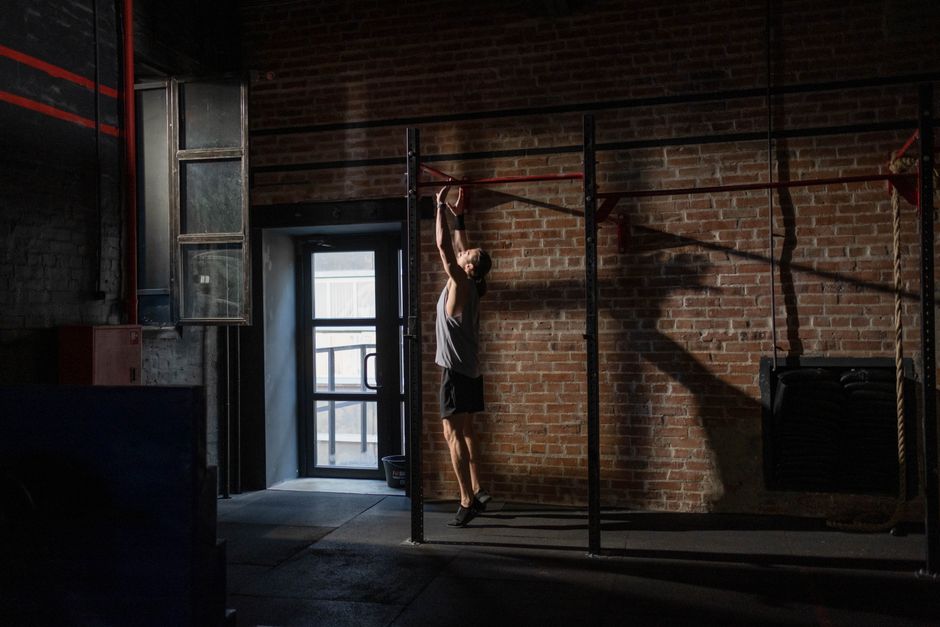
Does hanging from a bar decompress your spine?
Hanging can create a mild pulling effect on the spine, and some people find it helpful. The evidence for meaningful decompression is limited, and it is not suitable for everyone, especially people with shoulder problems.
