
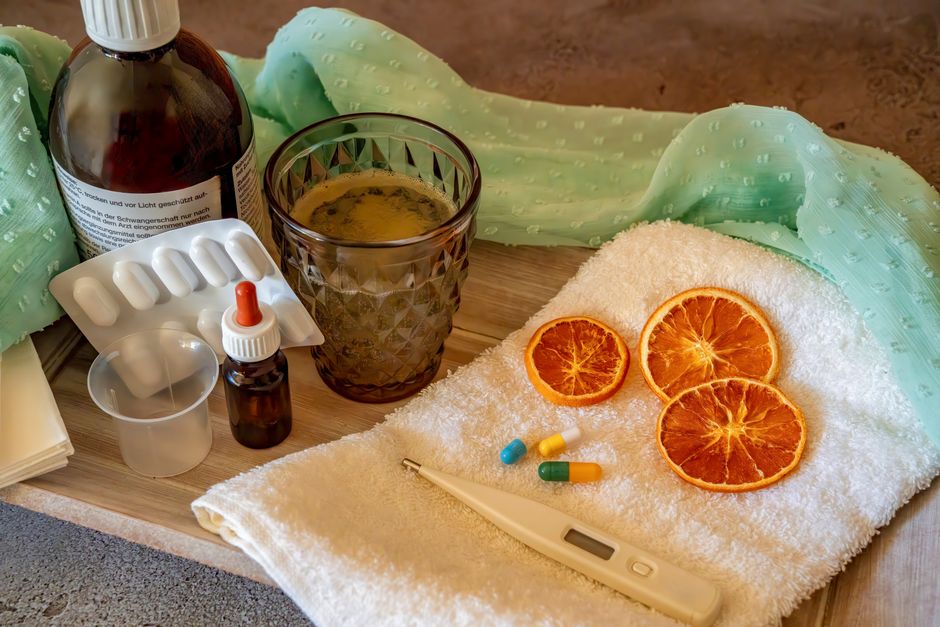
Strep throat is a bacterial infection that causes a sore, scratchy throat. It is different from a viral sore throat and requires specific treatment. The standard treatment is a course of antibiotics prescribed by a doctor, along with home care to manage symptoms. You cannot treat the bacterial infection itself with home remedies, but you can safely reduce pain and discomfort while the antibiotics do their work.
What Is Strep Throat and How Do You Know You Have It?
Strep throat is an infection caused by group A Streptococcus bacteria. It is highly contagious and spreads through respiratory droplets when an infected person coughs or sneezes. You can also get it by touching a surface with the bacteria and then touching your mouth or nose.
The symptoms are distinct from a common cold. Strep throat typically comes on quickly and includes a severe sore throat, pain when swallowing, and a fever. Your tonsils may look red and swollen, sometimes with white patches or streaks of pus. You might also have small red spots on the roof of your mouth or swollen lymph nodes in your neck.
Notably, strep throat usually does not include a cough, runny nose, or congestion. If you have those symptoms, a virus is more likely the cause. A rapid strep test or throat culture at a doctor’s office is the only reliable way to confirm the diagnosis.
Why Antibiotics Are the Only Real Cure
Antibiotics are the only treatment that kills the Streptococcus bacteria. They shorten the illness, reduce symptoms faster, and lower the chance of spreading it to others. They also prevent rare but serious complications like rheumatic fever, which can damage the heart.
Penicillin or amoxicillin are the usual first choices. If you are allergic to penicillin, other antibiotics are available. Your doctor will decide which one is right for you.
It is critical to take the full course of antibiotics exactly as prescribed. Do not stop early just because you feel better. Stopping early can leave some bacteria alive, which may allow the infection to return or contribute to antibiotic resistance.
Symptom improvement usually begins within 24 to 48 hours after starting antibiotics. You are generally considered no longer contagious after you have been on antibiotics for at least 12 to 24 hours and your fever is gone.
How To Deal With Strep Throat Treatment And Tips for Pain Relief
While antibiotics clear the infection, home care helps you feel better during the first few days. These tips do not cure strep throat, but they are safe and effective for symptom management.
- Over-the-counter pain relievers: Ibuprofen (Advil, Motrin) or acetaminophen (Tylenol) reduce throat pain and fever. Follow the dosing instructions on the package. Do not give aspirin to children or teenagers due to the risk of Reye’s syndrome.
- Warm saltwater gargles: Mix half a teaspoon of salt in a glass of warm water and gargle several times a day. This can temporarily soothe the throat.
- Cold foods and drinks: Ice chips, cold water, popsicles, or frozen yogurt can numb the throat and provide relief.
- Warm liquids: Broth, tea with honey, or warm water with lemon can be comforting. Honey should not be given to children under one year old.
- Humidifier: Adding moisture to the air can ease throat dryness. Use a cool-mist humidifier in your room, especially at night.
- Rest: Your body needs energy to fight the infection. Take it easy, especially while you have a fever.
- Stay hydrated: Drink plenty of fluids to keep your throat moist and prevent dehydration.
Avoid spicy, acidic, or rough foods that can irritate an already sore throat. Citrus juices, salty snacks, and crunchy foods may increase pain.




Are There Effective Home Remedies or Natural Options?
Some home remedies are popular for sore throats, but the evidence for them is limited. Honey has some antibacterial properties and can coat the throat. Some research suggests it may help with nighttime cough, but no large human trials have confirmed that honey treats strep throat specifically.
Warm saltwater gargles are a common recommendation from doctors. They are safe and may provide temporary relief, though they do not kill the bacteria.
Apple cider vinegar, garlic, and essential oils are often promoted online. No clinical evidence confirms that any of these treat strep throat. Some of these substances can irritate the throat or cause harm if used incorrectly. Do not use them as a substitute for antibiotics.
Probiotics are sometimes suggested alongside antibiotics to prevent diarrhea or yeast infections. Some evidence indicates they may help reduce antibiotic-related digestive upset, but they do not treat the strep infection itself.
When Should You See a Doctor?
See a doctor if you have a sore throat with a fever, swollen lymph nodes, or white patches on your tonsils. A rapid strep test takes about five minutes and can give quick results. If the rapid test is negative but your doctor still suspects strep, they may send a throat culture to a lab. That takes 24 to 48 hours for results.
Seek medical care promptly if you have difficulty breathing, difficulty swallowing saliva, or a muffled voice. These can be signs of a more serious infection like a peritonsillar abscess, which requires different treatment.
You should also see a doctor if your symptoms do not improve after 48 hours of antibiotics. That could mean the bacteria are resistant to the drug, or you may have a different condition.
How Long Does Strep Throat Last?
Without antibiotics, strep throat symptoms can last about a week. With antibiotics, most people feel significantly better within 48 hours. The sore throat may linger for a few days after that, but the severity should decrease steadily.
Your fever should break within the first day or two of antibiotics. If your fever persists beyond 48 hours of treatment, contact your doctor.
Throat pain can return if you do not complete the full antibiotic course. Even if symptoms are gone, finish every pill.
How to Prevent Spreading Strep Throat
Strep throat spreads easily in households, schools, and workplaces. To protect others, take these steps:
- Stay home from work, school, or daycare until you have been on antibiotics for at least 12 to 24 hours and your fever is gone.
- Wash your hands frequently with soap and water for at least 20 seconds.
- Do not share food, drinks, eating utensils, or toothbrushes.
- Cover your mouth and nose with a tissue or your elbow when coughing or sneezing.
- Throw away used tissues immediately and wash your hands after.
- Replace your toothbrush after you have been on antibiotics for 24 hours. The old one can carry bacteria.
If someone in your household has strep throat, wash dishes in hot soapy water and clean frequently touched surfaces like doorknobs and light switches.
Can Strep Throat Go Away Without Antibiotics?
Yes, the infection can resolve on its own in some cases. But that is not a risk worth taking. Without antibiotics, you remain contagious for up to two to three weeks. You also risk developing complications.
Rheumatic fever is the most serious complication. It can cause permanent damage to heart valves. Scarlet fever, kidney inflammation, and abscesses near the tonsils are other possible complications. These are rare in places with good access to medical care, but they are real.
Antibiotics are the standard of care for a reason. The benefits far outweigh the risks for most people.
When to Return to Normal Activities
You can return to work or school when you meet two conditions. First, you have been on antibiotics for at least 12 to 24 hours. Second, you have been fever-free for 24 hours without using fever-reducing medication.
If you were not prescribed antibiotics because your test was negative, you are likely dealing with a viral infection. In that case, stay home while you have a fever and until you feel well enough to resume normal activities.
Children should feel fully back to their normal energy level before returning to school or sports. Pushing through recovery too early can prolong symptoms.
Frequently Asked Questions
Can I treat strep throat without going to the doctor?
No. Strep throat requires a prescription antibiotic to cure the infection and prevent complications. Home remedies can ease symptoms but cannot kill the bacteria.
How fast do antibiotics work for strep throat?
Most people feel noticeably better within 24 to 48 hours of starting antibiotics. You are usually no longer contagious after 12 to 24 hours of treatment and once your fever is gone.
Is strep throat contagious after starting antibiotics?
You are generally considered no longer contagious after being on antibiotics for 12 to 24 hours and having no fever. Before that, you can spread the bacteria to others.
What kills the strep bacteria naturally?
Nothing natural has been proven to kill group A Streptococcus bacteria effectively. Antibiotics are the only clinically confirmed treatment that clears the infection.
