
Muscle soreness after a workout is a normal sign that your muscles adapted to new stress. The most effective way to deal with it is to keep moving gently, stay hydrated, and prioritize sleep. Light activity like walking or stretching increases blood flow, which helps deliver nutrients to recovering muscles. If the soreness limits your daily movement, rest that muscle group for a day or two before training it again.
What Causes Muscle Soreness?
Delayed onset muscle soreness, or DOMS, usually peaks 24 to 72 hours after exercise. It happens when muscle fibers sustain microscopic tears during unfamiliar or intense activity. This is especially common after eccentric movements — the lowering phase of a bicep curl or the downhill portion of a run.
Your body responds to these micro-tears with a mild inflammatory process. Fluid shifts into the muscle tissue, which causes swelling and stiffness. This is not damage that requires medical treatment; it is a normal adaptation process. Your muscles rebuild stronger during recovery.
While the inflammation sounds negative, it is a necessary part of getting stronger. The key is distinguishing between productive soreness and actual injury. Soreness feels diffuse and achy across the whole muscle. Injury typically causes sharp, localized pain that worsens with specific movements.
How To Deal With Muscle Soreness: What Actually Works
The most reliable way to reduce soreness is to keep blood flowing without stressing the muscle further. Walking, cycling at low intensity, or swimming for 10 to 20 minutes can help. This is sometimes called active recovery, and it consistently outperforms complete rest in research studies.
Gentle stretching may provide temporary relief, but it does not speed up the repair process. The same applies to foam rolling. It feels good and can reduce perceived soreness for a few hours, but it does not change the underlying muscle repair timeline.
Heat therapy, such as a warm bath or heating pad, can relax tight muscles and improve circulation. Some research suggests heat application within a few hours after exercise may reduce soreness intensity. Cold therapy, like ice baths, may reduce inflammation but can also blunt the muscle-building response. If you choose cold therapy, use it for comfort rather than expecting faster recovery.
Should You Take Pain Medication for Sore Muscles?
Over-the-counter anti-inflammatory drugs like ibuprofen can reduce soreness, but they come with a trade-off. These medications block the inflammatory process that signals your body to adapt and rebuild muscle. Regular use after workouts may interfere with long-term strength gains.
Acetaminophen can also help with pain but does not address inflammation directly. Neither medication speeds up recovery. They only mask the discomfort. If soreness interferes with sleep or daily function, occasional use is reasonable. Relying on them after every workout is not supported by evidence.
Topical creams containing menthol or capsaicin can provide localized relief. These work by altering how your nerves perceive pain in the area. They do not penetrate deeply enough to change muscle tissue, but they can make the soreness more tolerable.





How Long Does Muscle Soreness Last?
Most soreness resolves within 72 hours. You may notice it peaking around day two and gradually fading by day three or four. If soreness lasts longer than five to seven days, it may not be standard DOMS. This could indicate excessive training stress or an underlying issue worth discussing with a healthcare provider.
The severity of soreness depends on how much your training load increased. A small bump in intensity may cause mild stiffness. A dramatic jump, like returning to the gym after a month off, can cause significant discomfort. Your body becomes more resilient to the same stimulus over time, which is why repeat workouts at the same intensity produce less soreness.
If you experience severe weakness, dark urine, or swelling in a limb, seek medical attention promptly. These can be signs of rhabdomyolysis, a rare but serious condition where muscle breakdown overwhelms the kidneys. This is more common after extreme exertion, especially in untrained individuals.
How To Prevent Muscle Soreness Before It Starts
You cannot completely eliminate soreness if you are challenging your muscles. But you can reduce its severity. Progressing your workout load gradually — roughly 10 percent increase per week — gives your muscles time to adapt.
Proper warm-up before exercise prepares muscles for work. A five-minute cardiovascular warm-up followed by dynamic movements that mimic your workout can reduce stiffness. Static stretching before exercise does not prevent soreness and may slightly reduce power output.
Hydration matters more than most people realize. Even mild dehydration impairs muscle function and may increase soreness after exercise. Drink water before, during, and after your workout. There is no evidence that special recovery drinks outperform plain water for typical gym sessions lasting under an hour.
Protein intake supports muscle repair. Consuming 20 to 40 grams of protein within a few hours after exercise provides the building blocks your muscles need. This does not need to be a supplement; whole foods like eggs, chicken, or Greek yogurt work equally well.
What About Supplements and Recovery Tools?
The supplement industry markets many products for muscle recovery. Most lack solid evidence. Branched-chain amino acids, or BCAAs, may reduce perceived soreness in some studies, but whole protein sources provide the same benefit with additional nutrients.
Magnesium supplements are popular for muscle cramps and soreness. Evidence for their effectiveness is limited unless you have a documented deficiency. Most people get enough magnesium from a varied diet containing nuts, beans, and leafy greens.
Compression garments, such as calf sleeves or recovery tights, have some research support. Wearing them after exercise may reduce perceived soreness and speed the return of muscle function. The effect is modest but real. They work by reducing fluid accumulation and providing gentle external support.
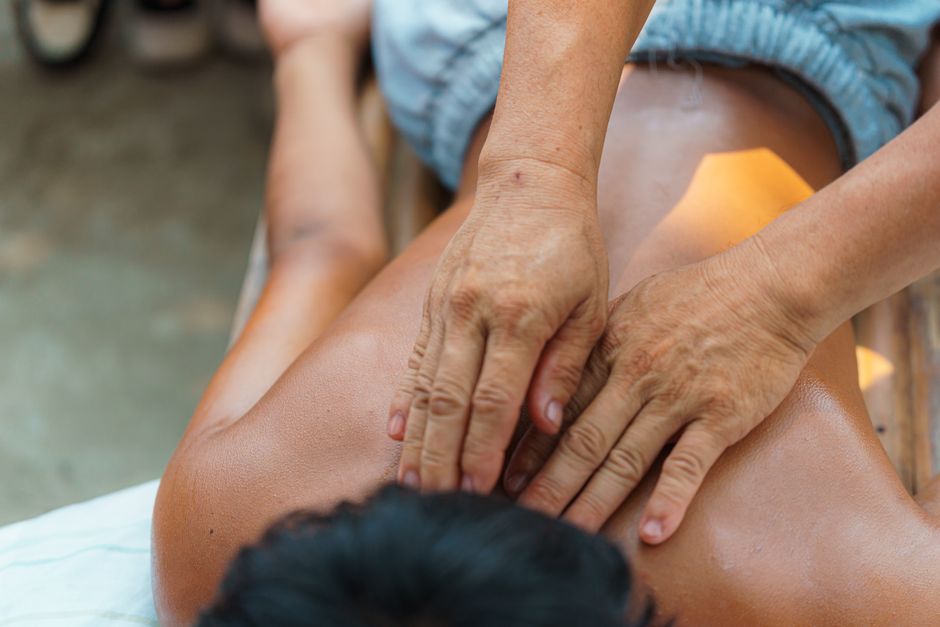
Massage therapy can reduce soreness and improve range of motion. A review of studies found massage had the largest effect on reducing DOMS compared to other recovery methods. The effect is temporary but can be worth it if you have access to a skilled therapist.
When Soreness Is Not Normal
Muscle soreness should feel symmetrical and general. If one specific spot is intensely painful, especially if it was accompanied by a popping sensation during exercise, you may have a strain. Rest that area and seek evaluation if pain persists beyond a few days.
Soreness that comes on immediately during exercise rather than the next day is different. Acute pain during movement often signals injury rather than normal micro-trauma. Stop the activity and assess. If you cannot bear weight or move the joint through full range, medical evaluation is appropriate.
Pay attention to patterns. If you feel constantly sore and never feel recovered between workouts, you may be overtraining. This state can impair immune function, sleep quality, and performance. Taking an unplanned rest week is sometimes the best recovery strategy.
Practical Daily Routine for Sore Muscles
Start your day with gentle movement. A short walk or light stretching routine helps loosen stiff muscles. Avoid aggressive stretching of very sore muscles, as this can cause additional micro-trauma.
Stay hydrated throughout the day. Aim for water with meals and between meals. Your urine should be light yellow; darker urine signals dehydration.
Get adequate sleep. Sleep is when your body releases growth hormone and repairs muscle tissue. Seven to nine hours per night supports optimal recovery. Poor sleep consistently correlates with slower recovery and increased perception of pain.
Eat regular meals with adequate protein and carbohydrates. Carbohydrates replenish glycogen stores that fuel your next workout. Protein repairs the structural damage. Both matter for recovery.
Frequently Asked Questions
Should I stretch sore muscles?
Gentle stretching can provide temporary relief, but it does not speed up muscle repair. Avoid aggressive stretching of very sore muscles, as this may cause additional micro-trauma.
Is it okay to exercise with sore muscles?
Light exercise like walking or cycling is fine and can help recovery. Avoid intense training of the same muscle group until soreness subsides significantly.
Does ice help muscle soreness?
Ice can reduce pain and swelling but may blunt the muscle-building response after training. Use cold therapy for comfort rather than expecting faster recovery.
Can I take ibuprofen for muscle soreness?
Ibuprofen can reduce soreness but may interfere with long-term strength gains by blocking the inflammatory adaptation process. Occasional use is acceptable, but daily reliance is not recommended.
