
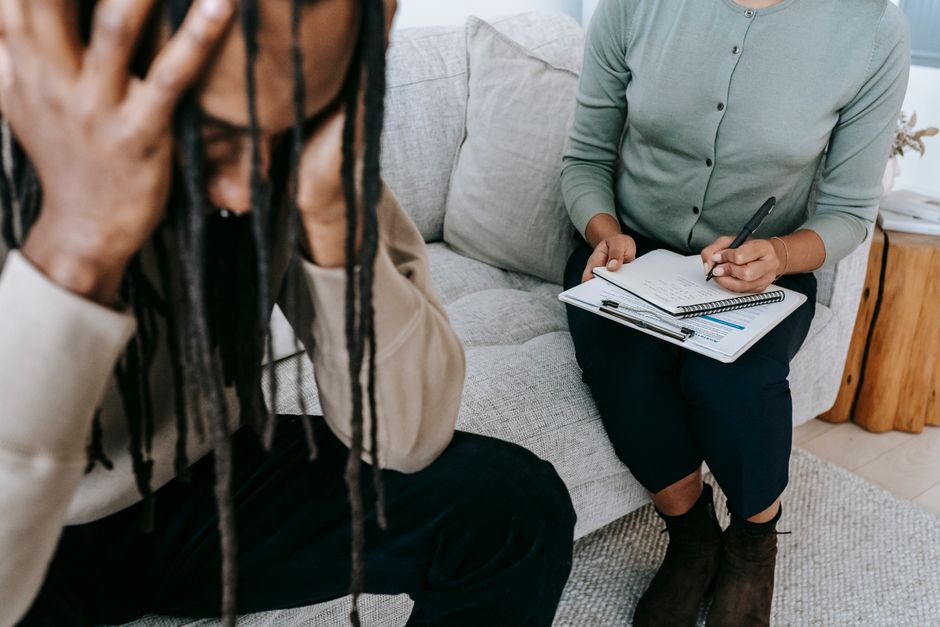
Extreme stress and anxiety are not just unpleasant feelings. They trigger real physical changes in your body, and those changes can affect your heart, your sleep, your digestion, and your ability to think clearly. The most effective approach combines calming your body’s stress response in the moment with longer-term strategies like therapy, lifestyle adjustments, and when appropriate, medication. No single technique works for everyone, and what helps one person may do little for another.
What Happens in Your Body During Extreme Stress and Anxiety?
Your body has a built-in alarm system. When your brain perceives a threat, it signals your adrenal glands to release hormones including adrenaline and cortisol. This is the fight-or-flight response, and it evolved to help you react quickly to danger.
During this response, your heart rate increases, your breathing speeds up, your muscles tense, and your digestion slows. Blood gets redirected toward your major muscle groups. Your pupils dilate. These changes are useful if you need to escape a threat. They become a problem when the alarm stays on for weeks or months.
Chronic activation of this stress response is associated with higher blood pressure, impaired immune function, digestive issues, sleep disruption, and worsening mental health. The relationship is well documented. What varies is how much stress any individual can tolerate before these effects appear.
Anxiety adds another layer. Unlike stress, which usually has an identifiable trigger, anxiety often persists without a clear external cause. Your body may remain on high alert even when nothing threatening is happening. That constant vigilance is exhausting and can make everyday tasks feel overwhelming.
How Do You Calm Your Body in the Moment?
When your nervous system is in overdrive, trying to “think your way out” rarely works. The physical symptoms need to be addressed first because a racing heart and shallow breathing make it nearly impossible to think clearly.
Slow breathing is one of the most direct ways to influence your nervous system. Research consistently shows that slow, controlled breathing activates the parasympathetic nervous system, which is the branch responsible for rest and recovery. One commonly taught approach is to breathe in for a count of four, hold for four, and exhale for six to eight. The extended exhale matters because it is linked to vagus nerve activation, which helps slow your heart rate.
Grounding techniques can also help when anxiety feels overwhelming. The 5-4-3-2-1 method asks you to name five things you can see, four you can touch, three you can hear, two you can smell, and one you can taste. This pulls your attention away from internal spiraling and back to your immediate environment.
Physical movement is another tool. A short walk, stretching, or even shaking out your hands can help discharge some of the built-up physical tension. Exercise increases endorphins and reduces cortisol over time. Even a few minutes of movement can shift how you feel in the moment.
Cold water on your face or wrists can trigger the dive reflex, which slows your heart rate. Some people find this helpful during a panic attack. Others find it uncomfortable. It is a technique worth trying once when you are calm so you know whether it works for you.
What Are the Long-Term Strategies That Actually Help?
In-the-moment techniques manage symptoms. They do not resolve the underlying patterns that keep stress and anxiety running at high levels. For that, you need strategies that work over weeks and months.
Cognitive behavioral therapy (CBT) is one of the most studied treatments for anxiety disorders. It helps you identify thought patterns that fuel anxiety and replace them with more balanced ones. Research published in journals including JAMA Psychiatry has found CBT to be effective for generalized anxiety disorder, panic disorder, and social anxiety disorder. It is not a quick fix. Most people need several months of consistent work.
Other therapy approaches include acceptance and commitment therapy (ACT), which focuses on accepting difficult thoughts rather than fighting them, and exposure therapy, which gradually reduces fear by confronting avoided situations. Which approach works best depends on the specific anxiety pattern and the individual.
Regular physical activity has a well-established role in reducing anxiety symptoms. The evidence is strong enough that exercise is often recommended as part of a treatment plan. The exact amount needed varies. General guidelines suggest aiming for at least 150 minutes of moderate activity per week, but even smaller amounts can help.
Sleep matters more than most people realize. Poor sleep amplifies the stress response and makes emotional regulation harder. Keeping a consistent sleep schedule, limiting screens before bed, and avoiding caffeine in the afternoon are basic steps that support the nervous system.
Reducing caffeine and alcohol can make a noticeable difference. Caffeine stimulates the same systems that anxiety activates. Alcohol may feel calming at first, but it disrupts sleep and can increase anxiety the following day.




When Should You Seek Professional Help?
There is no universal threshold for when to get help. A reasonable guideline is to seek professional support when stress or anxiety is interfering with your work, relationships, sleep, or daily functioning for more than a few weeks.
Warning signs that warrant attention include:
- Persistent worry that feels impossible to control
- Panic attacks, which involve sudden intense fear with physical symptoms like chest pain, shortness of breath, or a sense of doom
- Avoiding situations or activities you used to enjoy
- Sleep problems that do not improve
- Physical symptoms without a clear medical cause
- Using alcohol or drugs to cope
- Thoughts of self-harm or suicide
If you are having thoughts of suicide, contact the 988 Suicide and Crisis Lifeline by calling or texting 988. This is available 24 hours a day in the United States.
Primary care doctors can be a good starting point. They can rule out medical conditions that mimic anxiety, such as thyroid problems or heart arrhythmias, and refer you to a mental health professional if needed.
Do Medications Help with Extreme Anxiety?
Medications can be effective for anxiety disorders, particularly when symptoms are severe or when therapy alone has not been enough. They are not a cure, and they work best alongside therapy rather than instead of it.
Selective serotonin reuptake inhibitors (SSRIs) and serotonin-norepinephrine reuptake inhibitors (SNRIs) are commonly prescribed for anxiety. They take several weeks to take full effect and may cause side effects early on that often diminish with time. Benzodiazepines, such as diazepam or lorazepam, work quickly but carry a risk of dependence and are generally intended for short-term use.
Medication decisions are individual. What works for one person may not work for another, and finding the right medication sometimes involves trying more than one. A psychiatrist or prescribing clinician can explain the options, risks, and expected timelines.
Some people also use beta-blockers for performance-related anxiety. These medications block the physical effects of adrenaline, such as a racing heart and trembling hands. They do not address the mental component of anxiety, but they can be helpful in specific situations like public speaking.
What Lifestyle Changes Make a Real Difference?
Lifestyle factors do not replace professional treatment, but they can either support recovery or work against it. The basics matter more than most people expect.
Social connection is one of the strongest buffers against stress. Isolation tends to worsen anxiety. Regular contact with people you trust, even brief and low-key, helps regulate your nervous system.
Mindfulness and meditation have moderate evidence for reducing anxiety. They are not a replacement for therapy, but they can be a useful addition. Even five to ten minutes of focused breathing or body-scan meditation per day can help some people.
Journaling can help some people process anxious thoughts. Writing down worries and then challenging them on paper mirrors some of what CBT does in a structured setting.
Time in nature, even a short walk in a park, is associated with lower stress markers in some studies. The effect size varies, and it is not a stand-alone treatment, but it is a low-risk addition to a broader plan.
Setting boundaries around work and digital devices matters. Constant availability and information overload keep the stress response activated. Protecting blocks of time for rest and recovery is not indulgent. It is part of managing a nervous system that was not designed for constant stimulation.
What Should You Do If Someone You Know Is Struggling?
If someone you care about is dealing with extreme stress or anxiety, your presence can matter more than your advice. Listen without trying to fix. Avoid minimizing what they are going through, even if their fears seem irrational to you. To them, the fear is real.
Encourage professional support without pushing. Offer to help with practical steps like finding a therapist, making a phone call, or going with them to an appointment. If they are in crisis, stay with them and help them contact a crisis line or emergency services.
You do not need to have the right words. Being steady and available is often enough.
Frequently Asked Questions
Can extreme stress and anxiety go away on their own?
Mild stress often resolves when the triggering situation passes, but anxiety disorders typically do not improve without some form of treatment or active coping strategy. If symptoms last more than a few weeks or interfere with daily life, professional support is recommended.
What is the fastest way to calm down during a panic attack?
Slow breathing with an extended exhale is one of the quickest ways to activate your body’s calming response. Grounding techniques like the 5-4-3-2-1 method can also help bring your attention back to the present moment.
Is medication necessary for extreme anxiety?
Not always. Therapy alone is effective for many people, and lifestyle changes can reduce symptoms. Medication is typically considered when symptoms are severe, when therapy has not been enough, or when a clinician determines it is appropriate.
How long does it take for anxiety treatment to work?
Therapy usually shows benefits within a few weeks to a few months, depending on the approach and the individual. Medications like SSRIs often take several weeks to reach full effect. Consistency matters more than speed.
