
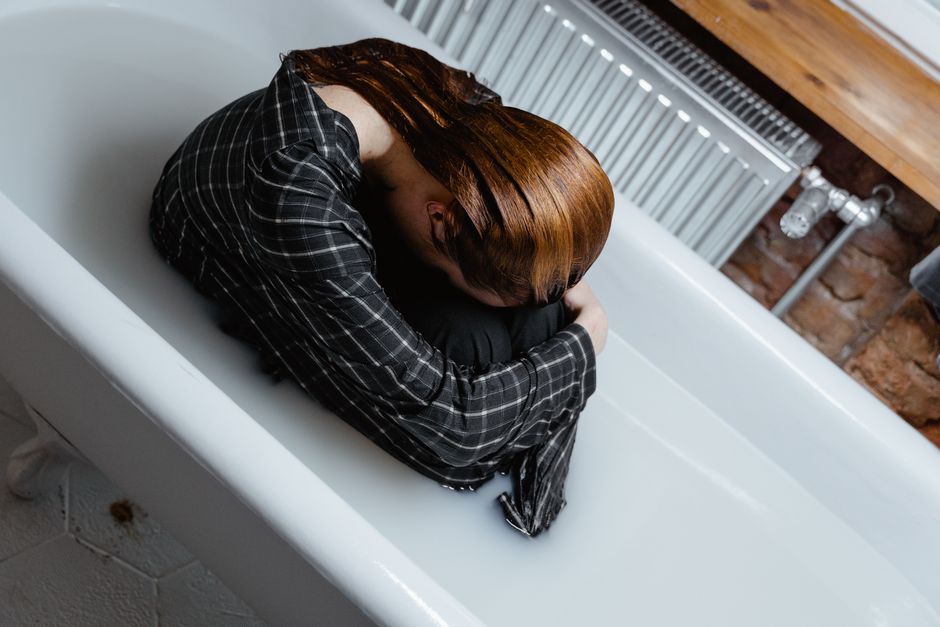
Feeling anxious when you are alone is common, and it often happens because your mind has no outside distractions to focus on. Your body’s natural alarm system can go off without an obvious trigger, leaving you stuck with racing thoughts or physical unease. The key facts are that this type of anxiety usually comes from heightened self-awareness, a lack of external input, and learned patterns of worry. You can manage it with specific grounding techniques, breathing exercises, and by challenging untrue thoughts. If the anxiety keeps you from living normally or leads to panic attacks, professional help is the next step.
What Causes Anxiety When You Are Alone?
Anxiety when you are alone often has clear biological and psychological roots. When no one else is around, your brain has nothing external to focus on. This means your attention turns inward. Your heartbeat, your breathing, and small body sensations become more noticeable. For many people, these normal body signals are misinterpreted as danger.
Your nervous system has an alarm circuit called the amygdala. It scans for threats, and without the calming input of other people, it can stay on high alert. Evolutionarily, being alone made humans vulnerable. So your brain may treat solitude as a potential risk, even if you are safe in your own home.
Other common causes include racing thoughts about the future, replaying past mistakes, or worrying about what might happen if no one is there to help. People with a history of anxiety disorders, panic attacks, or trauma often experience stronger symptoms when alone. But even people without a diagnosed condition can feel it.
How To Deal With Anxiety When You Are Alone
Start with your breathing. Slow, deep breaths tell your nervous system that you are not in danger. Try this: breathe in through your nose for four seconds, hold for four seconds, and breathe out through your mouth for six seconds. Do this for two minutes. It lowers your heart rate and calms the physical symptoms of anxiety.
Grounding techniques pull your attention away from anxious thoughts and into the present moment. One widely used method is the 5-4-3-2-1 exercise. Look for five things you can see, four things you can touch, three things you can hear, two things you can smell, and one thing you can taste. This forces your brain to process real sensory information instead of imagined threats.
Challenge anxious thoughts directly. Ask yourself: Is this thought based on a real threat or on a “what if”? Anxiety often sounds like a fact, but it is usually a prediction that has not come true. Write down the thought and then write down evidence against it. Cognitive behavioral therapy, a well-established treatment, teaches exactly this skill.
Create structure for alone time. When you have no plans, anxiety can fill the space. Schedule specific activities during hours you know you will be by yourself. This can be a walk, a phone call, reading, or a hobby. It gives your mind a task and reduces the chance of spiraling thoughts.
Limit checking behaviors. Checking your phone for messages, watching out the window, or verifying locks repeatedly can actually increase anxiety over time. These actions reinforce the idea that danger is possible. Instead, decide on one check and then commit to waiting ten minutes before checking again.
Is It Normal To Feel Anxious When Alone?
Yes, it is normal to feel some anxiety when you are alone. Many people experience it at some point. The feeling itself is not a disorder. It becomes a problem when it interferes with your daily life, keeps you from being alone at all, or leads to full panic attacks.
Anxiety alone does not mean something is wrong with you. It is a natural response that your body uses to keep you alert. However, if you regularly avoid being alone because of fear, or if you feel anxious every time you are by yourself for weeks or months, it may be a sign of an anxiety disorder. Generalized anxiety disorder, panic disorder, and agoraphobia can all involve anxiety when alone.





What Are The Best Techniques To Calm Anxiety Quickly?
Box breathing is a technique used by first responders and military personnel for rapid calming. Breathe in for four seconds, hold for four seconds, breathe out for four seconds, and hold again for four seconds. Repeat four times. This pattern quickly regulates your nervous system.
Progressive muscle relaxation helps release physical tension. Tense the muscles in your feet for five seconds, then relax them. Move up to your calves, thighs, stomach, hands, arms, shoulders, and face. Each time, notice the difference between tension and relaxation. This breaks the cycle of muscle tightness that anxiety causes.
Cold water exposure can snap your brain out of an anxious loop. Splash cold water on your face or hold an ice cube in your hand. The sudden cold sensation activates the mammalian dive reflex, which slows your heart rate. This is a short-term emergency strategy, not a daily habit.
Distraction that uses your brain fully can also help. Try counting backward from 100 by sevens, doing a word puzzle, or counting all the items in a room. These tasks require enough mental effort to push anxious thoughts aside for a few minutes.
When Should You Seek Help For Anxiety When Alone?
If you have panic attacks when alone, seek professional help. A panic attack includes a racing heart, trouble breathing, chest tightness, dizziness, or a feeling of losing control. These symptoms can feel like a medical emergency, but a doctor can confirm them and rule out other causes.
If you find yourself avoiding work, social events, or daily errands because you do not want to be alone, it is time to talk to a therapist. Avoidance makes anxiety worse over time. Cognitive behavioral therapy and other evidence-based treatments can help you break the cycle.
If anxiety when alone lasts more than a few weeks and affects your sleep, appetite, or ability to function, schedule an appointment with your primary care doctor or a mental health professional. They can offer therapy, medication options, or both. There is no need to suffer alone.
Can Lifestyle Changes Help With Anxiety When Alone?
Yes, lifestyle changes can reduce the overall level of anxiety you feel. Regular exercise, especially aerobic activity like walking, running, or swimming, lowers baseline anxiety. It burns off stress hormones and produces endorphins. Aim for at least 150 minutes of moderate exercise per week, which is the standard public health recommendation.
Sleep is strongly linked to anxiety. When you are sleep deprived, your emotional brain becomes more reactive and less able to regulate itself. Poor sleep makes anxiety worse. Prioritizing a consistent bedtime and avoiding caffeine late in the day can help.
Diet may play a role. Some studies suggest that high sugar intake and low intake of omega-3 fatty acids may worsen anxiety symptoms. However, no specific diet is proven to cure anxiety. A balanced diet that includes vegetables, protein, and whole grains is a sensible baseline. Avoid relying on alcohol or sedatives to manage alone time, as they can make anxiety worse in the long run.
Social connection matters even when you are not physically with someone. Calling a friend, joining an online support group, or texting a trusted person can ease the feeling of being isolated. Regular contact with others helps your brain feel safer and less alone.
Frequently Asked Questions
Why do I get anxious when I am alone?
Your brain has no outside distractions, so it turns attention inward and may misinterpret normal body sensations as danger. This often triggers the body’s natural alarm system, especially if you are prone to worry or have had anxiety before.
What is the 5-4-3-2-1 grounding technique?
It is a quick way to bring your attention to the present by naming five things you can see, four you can touch, three you can hear, two you can smell, and one you can taste. This pulls your focus away from anxious thoughts and into real sensory input.
How long does it take for anxiety to go away?
Anxiety often fades within minutes when you use a calming technique like deep breathing or grounding. But underlying anxiety disorders may require weeks or months of therapy or medication to improve significantly.
When should I see a doctor for anxiety when alone?
See a doctor if you have panic attacks, avoid being alone, or notice anxiety disrupting your sleep, work, or daily life for more than a few weeks. Professional help is effective and widely available.
