
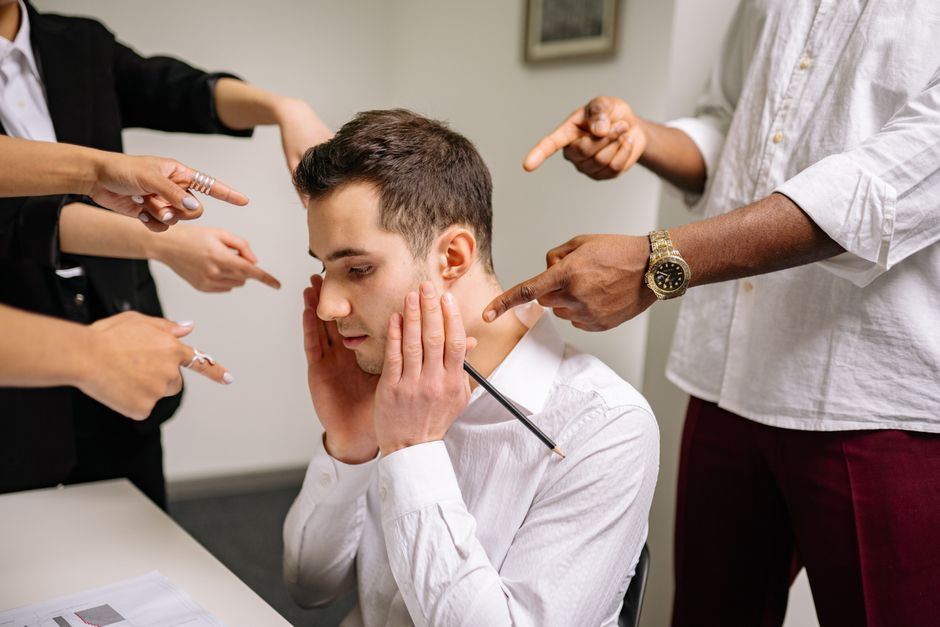
Workplace anxiety is common, and it is manageable. The most effective approach combines calming your body in the moment, changing how you respond to anxious thoughts, and adjusting the conditions at work that feed the anxiety. Small, repeatable actions usually help more than waiting for the feeling to pass on its own.
Anxiety at work can show up as a racing heart before a meeting, a tight chest on Sunday night, or a loop of worried thoughts that makes it hard to focus. It is a normal stress response firing in a setting where the stakes feel personal. When it becomes frequent or intense, it deserves real attention rather than willpower alone.
Why Does Anxiety Show Up at Work?
Anxiety is your body’s threat system turning on. The brain perceives a risk, and it prepares you to respond by speeding up your heart, tensing your muscles, and sharpening your focus on the perceived danger.
At work, the “danger” is usually social or evaluative. A deadline, a difficult manager, a presentation, or an uncertain performance review can all trigger the same physiology your body would use to escape physical harm. The response is real even when the threat is not physical.
Certain conditions make this more likely. High workload, low control over your tasks, unclear expectations, and conflict with coworkers are well-recognized sources of workplace stress. So is a mismatch between what a job demands and the support available to do it.
Some people are also more prone to anxiety for reasons that have nothing to do with their job. Genetics, temperament, past experiences, and physical health all play a part. If anxiety is persistent and widespread, it may meet the criteria for an anxiety disorder, which is a medical condition and not a sign of weakness.
How to Deal with Anxiety in the Workplace in the Moment
When anxiety spikes, the goal is to bring your body back toward baseline. Slow, deliberate breathing is one of the most reliable tools for this.
Try breathing in through your nose for a slow count, then out for a longer count. Extending the exhale tends to activate the part of the nervous system that calms the body. This is well-established physiology, and many people find even a minute of slow breathing takes the edge off.
Grounding helps too. Notice what you can see, hear, and feel right now. Naming a few physical details pulls attention out of the anxious loop and back to the present.
Short movement can reset your state. A walk to refill your water, a few minutes outside, or simply standing and stretching can interrupt the cycle. Movement changes your breathing and gives your attention somewhere else to go.
These techniques reduce the intensity of a spike. They do not resolve the underlying pattern, which is why they work best alongside the longer-term steps below.
What Helps with Anxious Thoughts During the Workday?
Anxious thoughts tend to be repetitive and future-focused. You imagine the worst outcome and rehearse it. Learning to notice the thought without treating it as a fact is a core skill.
One practical step is to write the worry down. Getting it onto paper makes it more concrete and less likely to keep looping. Ask yourself what evidence supports the thought and what evidence does not.
Another approach is to schedule a specific “worry time” later in the day. When a worry appears during work, note it and set it aside for that window. This gives the thought a place to go without letting it take over the moment.
It also helps to separate what you can control from what you cannot. You may not control a company decision or a coworker’s mood, but you can control how you prepare, who you ask for help, and how you respond.
These strategies are drawn from cognitive behavioral approaches, which are among the most studied psychological treatments for anxiety. Research consistently shows that structured cognitive behavioral therapy helps people manage anxiety, and many of its tools can be practiced on your own.





How Do You Reduce Anxiety Before and After Work?
What happens outside work hours shapes how you handle the day. Sleep, movement, and food all influence how reactive your nervous system is.
Protecting sleep matters. Anxiety and poor sleep feed each other, and consistent sleep and wake times support mood and stress regulation. Caffeine and alcohol both affect anxiety, and cutting back on late-day caffeine is a simple change many people notice.
Regular physical activity is one of the better-supported ways to lower anxiety over time. You do not need an intense routine. Consistent moderate movement, such as walking, is enough for many people to feel a difference.
Build a wind-down routine that separates work from rest. If you check email right up until bed, your mind stays in work mode. A clear end to the workday, even a short one, helps signal to your body that the demands are paused.
Some people find that a brief plan for the next morning reduces the Sunday-night dread. Writing down the first two or three tasks for the next day can shrink an open-ended worry into something specific.
When Should You Talk to Someone About Workplace Anxiety?
Talk to a professional when anxiety is affecting your work, your relationships, or your daily functioning. That is the practical threshold, and it is worth acting on sooner rather than later.
Signs that warrant reaching out include persistent worry that is hard to control, trouble sleeping, avoiding situations that cause anxiety, or physical symptoms like a racing heart or stomach upset that keep recurring. If anxiety is interfering with your ability to do your job or enjoy your life, that is reason enough.
Effective treatments exist. Therapy, particularly cognitive behavioral therapy, is well supported for anxiety. Medication can also help and is often used alongside therapy. A primary care doctor or a licensed mental health professional can help you sort out the right path, and your employee assistance program may offer confidential access to support.
If anxiety ever comes with thoughts of harming yourself, reach out for help right away. In the US, you can call or text 988 to reach the Suicide and Crisis Lifeline.
What Workplace Changes Can Make a Difference?
Individual coping helps, but the environment matters too. Where you can, adjusting the conditions around you is part of the solution.
Clear expectations reduce uncertainty, which is a major driver of anxiety. If your role or priorities feel vague, asking for clarity is a reasonable step. So is raising workload concerns early rather than absorbing them silently.
Boundaries protect your recovery time. Setting a realistic end to the workday, taking breaks, and limiting after-hours messages where possible all help your nervous system reset.
Support from a manager or trusted colleague makes a measurable difference in how people cope with job stress. If you have someone you trust, talking about what you are dealing with can reduce the sense of carrying it alone.
It is worth knowing that some employers offer accommodations for anxiety, such as flexible scheduling or a quieter workspace. If anxiety is a diagnosed condition, you may have rights under workplace disability law. An HR representative or a legal advisor can explain what applies to your situation.
What Does Not Help with Workplace Anxiety
Some common responses make anxiety worse over time. Avoiding the situations that trigger it can bring short-term relief, but avoidance teaches your brain that the situation really is dangerous, which strengthens the fear.
Pushing through without any support also tends to backfire. Ignoring persistent anxiety does not make it go away, and it can build until it becomes harder to manage.
Be cautious with products marketed to “cure” anxiety. Supplements and apps vary widely in quality, and the evidence behind many is limited or absent. No product has been shown to reliably treat an anxiety disorder on its own.
Frequently Asked Questions
How do you calm down from anxiety at work quickly?
Slow your breathing, especially the exhale, and ground yourself by naming what you can see and hear. A short walk or a few minutes of movement can also interrupt a spike.
Can workplace anxiety be treated?
Yes, anxiety is treatable, and therapy such as cognitive behavioral therapy is well supported. Medication can also help and is often used alongside therapy, so talk to a doctor or licensed professional about options.
When should I tell my employer about my anxiety?
There is no single right time, and you are not required to disclose a diagnosis to your manager. If you need accommodations, an HR representative can explain your options and what information is required.
Is it normal to feel anxious before work every day?
Feeling anxious before work sometimes is common, but daily dread that affects your functioning is worth discussing with a professional. Persistent anxiety of that kind can be treated.
