
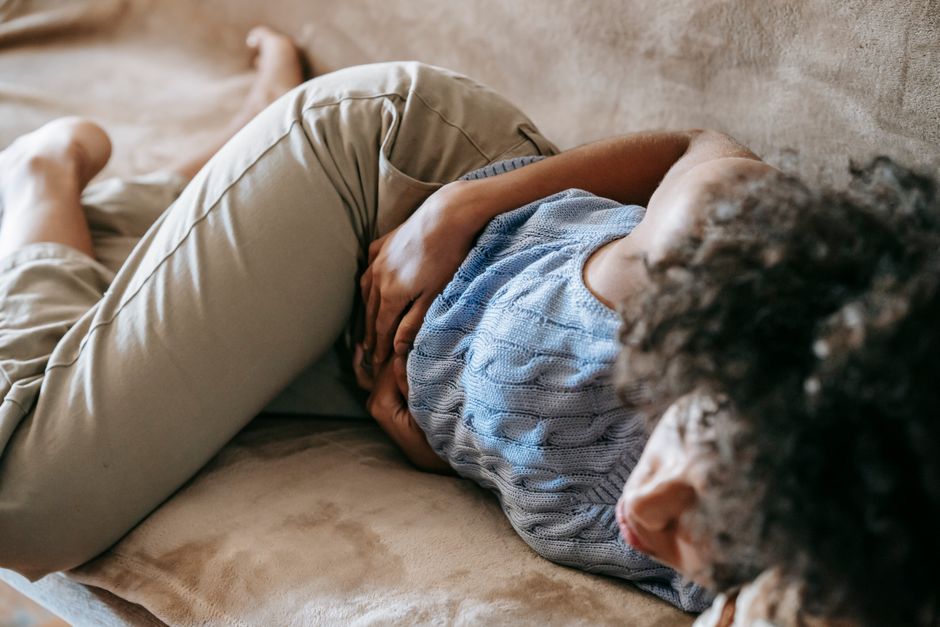
Most period pain comes from prostaglandins — hormone-like compounds the uterus releases to help it shed its lining. Higher levels cause stronger contractions, which temporarily reduce blood flow to the muscle and produce the cramping most people feel. Managing it well means understanding three things: why the pain happens, what your flow is telling you, and when symptoms are worth a medical visit rather than a heating pad.
How To Deal With A Period Pain Flow And More?
Dealing with period pain and heavy flow starts with knowing what is typical. Cramps that respond to heat, over-the-counter pain relievers, and rest are common. A flow that soaks through a pad or tampon every hour for several hours, or clots larger than a quarter, is not something to push through silently — it is a reason to see a clinician.
Three habits make the biggest difference: take an NSAID early rather than waiting for pain to peak, use heat on the lower abdomen, and track your cycle so patterns become visible. Tracking is not busywork. It gives a clinician the information needed to tell ordinary period pain from something that needs investigation.
Why Do Period Cramps Happen?
Menstrual cramps have a clear, well-understood mechanism. During your period, the lining of the uterus breaks down and releases prostaglandins. These chemicals trigger the uterine muscle to contract, which helps expel the lining.
When prostaglandin levels are high, contractions become stronger and more frequent. The contractions can briefly compress blood vessels in the uterine wall. That temporary reduction in blood supply is what produces the ache, pressure, or sharp cramps many people feel in the lower belly, lower back, and upper thighs.
Prostaglandin levels tend to be highest on the first day or two of bleeding, which is why cramps usually peak then and ease afterward. This is also why medications that block prostaglandin production work best when taken early — before levels climb.
What Counts As Heavy Menstrual Bleeding?
Heavy menstrual bleeding has a clinical definition, and it is more common than many people assume. A commonly used threshold is bleeding that lasts more than seven days, or flow that soaks through one or more pads or tampons every hour for several consecutive hours.
Other signs clinicians look for include blood clots larger than a quarter, needing to change protection during the night, and bleeding that interferes with daily life. If you are unsure whether your flow is heavy, tracking how often you change protection for a couple of cycles gives you concrete information to bring to an appointment.
Heavy bleeding is not simply an inconvenience. When it is persistent, it can lead to iron deficiency anemia, which causes fatigue, shortness of breath, and pale skin. A simple blood test can check your iron levels and hemoglobin.
What Helps With Period Pain?
Nonsteroidal anti-inflammatory drugs (NSAIDs) such as ibuprofen are the best-supported first-line option for period cramps. They work by blocking prostaglandin production, which addresses the cause rather than just masking the sensation.
Timing matters. Taking an NSAID at the first sign of cramping, or even at the start of bleeding, tends to work better than waiting until pain is severe. Follow the dosing on the package label, and check with a clinician or pharmacist first if you have stomach ulcers, kidney problems, take blood thinners, or are pregnant.
Heat is the other well-established approach. A heating pad or warm bath on the lower abdomen relaxes the uterine muscle and eases cramping. Research on heat therapy for menstrual pain has generally found it reduces discomfort, and it carries little risk when used safely on the skin.
Other approaches with some supporting evidence include regular physical activity and adequate sleep, though the evidence for exercise specifically reducing cramps is not as strong as for NSAIDs or heat. Light movement during your period is generally fine and does not make cramps worse.
Does Diet Or Supplements Help Period Pain?
The evidence here is thinner than the marketing suggests. Some studies suggest certain nutrients — including magnesium and omega-3 fatty acids — may be associated with less menstrual pain, but the research is not strong enough to present any supplement as a proven treatment.
No clinical guidelines currently establish a specific supplement dose for menstrual pain. If you are considering one, talk to a clinician or pharmacist, especially if you take other medications or have a health condition.
What is better supported is general nutrition. Iron-rich foods matter if you have heavy periods, since blood loss depletes iron stores. Foods like lean meat, beans, lentils, and fortified cereals help. Pairing plant iron sources with vitamin C improves absorption.
When Should You See A Doctor About Period Pain?
Period pain that disrupts work, school, or sleep is not something you have to accept. Severe cramps that do not respond to NSAIDs and heat, pain that gets worse over time, or pain during sex are all reasons to seek evaluation.
Certain conditions can cause period pain that is more than ordinary cramping. Endometriosis, where tissue similar to the uterine lining grows outside the uterus, is a common cause of severe menstrual pain. Uterine fibroids and adenomyosis can also cause heavy bleeding and pain. These conditions are diagnosed through clinical evaluation, imaging, and sometimes other procedures.
No one can tell from symptoms alone which condition is responsible, and many share overlapping signs. That is exactly why a proper evaluation matters rather than self-diagnosing from search results. A clinician can distinguish between them and recommend appropriate next steps.
Seek care promptly if you have bleeding so heavy you feel faint or dizzy, severe pain that comes on suddenly, or bleeding between periods or after sex. These can have several causes and warrant timely assessment.
How Do You Track Your Cycle Usefully?
Cycle tracking turns vague symptoms into a pattern a clinician can work with. Note the first and last day of bleeding, how often you change protection, whether you pass clots, and how pain affects your day.
- Record the date your period starts and ends each cycle.
- Note how many pads or tampons you use per day and whether you change at night.
- Log pain level, where it is, and whether medication helps.
- Note any clots and roughly how large they are.
- Track symptoms like fatigue, dizziness, or headaches.
A couple of cycles of notes is usually enough to spot whether something is outside the typical range. Bring the record to your appointment — it can shorten the path to useful answers.
What About Birth Control And Period Pain?
Hormonal contraception is commonly used to reduce menstrual pain and heavy bleeding. Combined hormonal methods and hormonal intrauterine devices can lighten flow and ease cramps by reducing the buildup of the uterine lining and lowering prostaglandin production.
This is a genuine clinical option, but it is not right for everyone. Some people have health conditions or preferences that make hormonal methods unsuitable. Whether to use one, and which type, is a decision to make with a clinician who knows your history — not a universal recommendation.
Frequently Asked Questions
How much period bleeding is too much?
Bleeding that soaks through a pad or tampon every hour for several consecutive hours, lasts more than seven days, or passes clots larger than a quarter is considered heavy. Talk to a clinician if this happens.
What is the fastest way to relieve period cramps?
Taking an NSAID like ibuprofen at the first sign of cramping and applying heat to the lower abdomen are the best-supported quick options. Both address the prostaglandin-driven contractions behind most cramps.
Can period pain be a sign of something serious?
Severe pain that does not respond to NSAIDs and heat, worsens over time, or occurs during sex can point to conditions like endometriosis, fibroids, or adenomyosis. Only a clinician can determine the cause.
Does exercise make period cramps worse?
Light activity during your period is generally fine and does not typically worsen cramps. Some evidence suggests regular exercise may reduce menstrual pain, though the research is not as strong as for NSAIDs or heat.
