
There is no way to cure a stye instantly. A stye is a small infection of an oil gland or eyelash follicle on the eyelid, and it needs time for your body to clear it. Most styes start draining and improving within a few days, and the majority heal on their own within one to two weeks with simple home care. What you can do is speed comfort, reduce swelling, and avoid the mistakes that make styes worse or spread infection.
The single most effective thing you can do is apply warm compresses several times a day. This is not folklore. Heat improves blood flow to the area and helps the blocked gland open and drain. Below is what actually works, what does not, and when a stye needs a doctor.
What Is a Stye and Why Does It Happen?
A stye is a localized infection, usually bacterial, of a gland at the edge of the eyelid. The bacteria involved are most often Staphylococcus aureus, which commonly lives on skin without causing harm.
There are two main types. An external hordeolum affects an eyelash follicle or the small glands along the lid margin. It looks like a tender red bump near the lash line, often with a small white head. An internal hordeolum affects the meibomian glands deeper in the eyelid, which produce the oily layer of your tears. These can be more painful and may point inward rather than outward.
Styes are different from a chalazion, which is a blocked oil gland that becomes a firm, usually painless lump. A chalazion is not an active infection in the same way. This distinction matters because the two are managed differently, and a chalazion that persists may need medical attention even when it does not hurt.
Risk factors include touching or rubbing your eyes with unwashed hands, wearing contact lenses without proper cleaning, using old or shared eye makeup, and having blepharitis, a common inflammation of the eyelid margins. People with rosacea or oily skin tend to get styes more often. So do people with diabetes, though the reason is not fully understood.
How To Cure Stye Instantly With Warm Compresses
Warm compresses are the first-line home treatment for a stye, and they are the closest thing to a fast fix that exists. The goal is to soften the blocked gland and encourage it to drain.
Here is how to do it properly:
- Use a clean washcloth or a warm, damp tea bag. Soak it in warm — not hot — water.
- Wring it out and hold it against your closed eyelid for about 10 to 15 minutes.
- Repeat three to four times a day.
- Use a fresh cloth each time, and wash your hands before and after.
The temperature matters. Water that feels comfortably warm on the inside of your wrist is about right. Water hot enough to sting can burn the thin skin of the eyelid. Do not press hard. Gentle contact is enough.
Most people notice improvement within a few days of consistent compresses. If a stye does not begin to improve after about 48 hours of regular compresses, or if it gets worse, that is a reason to see a doctor rather than keep waiting.
What Should You Avoid Doing to a Stye?
Do not squeeze, pop, or try to drain a stye yourself. This is the most common mistake and the most dangerous one. Squeezing can push bacteria deeper into the eyelid tissue and, in rare cases, into the surrounding area, which is a medical emergency.
Other things to avoid:
- Do not wear contact lenses or eye makeup until the stye has fully healed.
- Do not share towels, washcloths, or pillowcases with anyone while you have an active stye.
- Do not use over-the-counter steroid eye drops unless a doctor recommends them. Steroids can suppress the immune response and make a bacterial infection worse.
- Do not assume an antibiotic ointment from a previous prescription is appropriate. Antibiotics are not always needed, and using the wrong one or an old one is not helpful.
Wash your hands often, and change your pillowcase and any eye makeup you used around the time the stye appeared. Throw out eye makeup that may have been contaminated, especially mascara.




Do Home Remedies and Over-the-Counter Products Work?
Warm compresses have a reasonable physiological basis and are widely recommended by eye doctors, though large clinical trials comparing them to placebo are limited. That is the honest state of the evidence: it is standard practice supported by how the tissue behaves, not by a large body of randomized trials.
Other popular remedies have much weaker support:
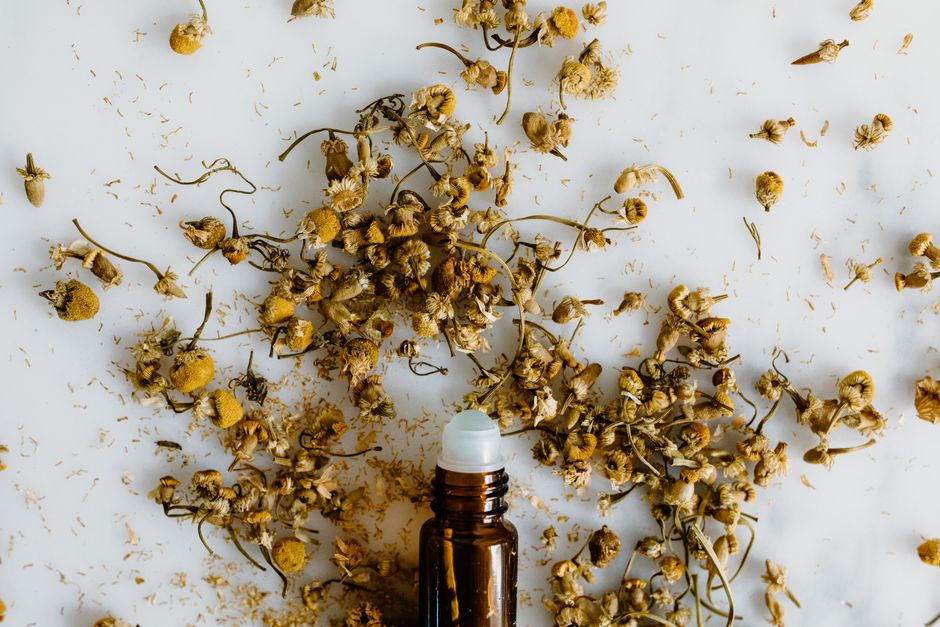
- Tea bags. Some people use warm chamomile or black tea bags as a compress. The warmth is likely the helpful part. There is no strong evidence that the tea itself treats infection, and some people are allergic to chamomile.
- Antibiotic ointments. These are sometimes prescribed for styes, particularly recurrent ones or those near the lid margin. Whether they shorten healing compared with compresses alone is not firmly established, and they require a prescription.
- Oral antibiotics. Reserved for more severe or spreading infections, not routine styes. Some clinicians prescribe them; the evidence for routine use in simple styes is limited.
- Warm compresses with massage. Gentle massage toward the lid margin is sometimes suggested for meibomian gland blockages. It should be very light and is best done after a compress. Ask a doctor if you are unsure.
No product sold as a “stye cure” has been shown to resolve a stye faster than warm compresses and time. Be skeptical of any claim of instant results.
When Should You See a Doctor for a Stye?
Most styes are minor and clear on their own. Some need medical care. See a doctor promptly if any of the following apply:
- Swelling spreads to your cheek or the area around your eye.
- You have fever, chills, or feel generally unwell.
- Your vision becomes blurry or you have pain when moving the eye.
- The eyelid becomes very red, hot, and swollen.
- The stye does not improve after about a week to ten days, or keeps coming back.
- You have diabetes or a weakened immune system.
Spread of infection into the tissue around the eye, called orbital cellulitis, is uncommon but serious and needs urgent treatment. Any sign of spreading swelling or fever should be evaluated the same day.
A stye that turns into a firm, painless lump that lingers for weeks may be a chalazion. A doctor can confirm what it is and discuss options, which can include warm compresses, injection, or minor drainage if it does not resolve.
Can You Prevent Styes From Coming Back?
Recurrent styes are common, and prevention focuses on eyelid hygiene and reducing bacterial load on the skin around the eyes.
Practical steps include:
- Wash your hands before touching your face or eyes.
- Remove eye makeup every night, and replace mascara every few months.
- Clean your eyelids gently with a warm, damp cloth or a doctor-recommended eyelid cleanser, especially if you have blepharitis.
- Follow contact lens cleaning and replacement schedules carefully.
- Avoid sharing eye makeup, towels, or pillowcases.
If you get styes often, it is worth seeing an eye doctor. Recurrent styes can be a sign of underlying blepharitis or another eyelid condition that benefits from targeted treatment.
How Long Does a Stye Usually Last?
Most styes begin to drain and feel better within a few days of starting warm compresses. Complete healing typically takes about one to two weeks. A small white head may appear and then rupture on its own, which is normal and usually brings relief.
Timelines vary. Some styes resolve in a few days. Others linger longer, especially internal ones. If a stye is not clearly improving after a week, or is getting worse at any point, that is the signal to get it looked at rather than wait longer.
Frequently Asked Questions
Can a stye go away overnight?
No. A stye is an infection that needs time to drain and heal, and most take several days to a couple of weeks. Warm compresses can ease discomfort and may help it drain sooner, but no treatment clears a stye overnight.
What is the fastest way to get rid of a stye?
Consistent warm compresses for about 10 to 15 minutes, three to four times a day, are the fastest reliable home approach. Never squeeze or pop a stye, because that can push infection deeper and cause complications.
Can I pop a stye with a needle?
No. Never pierce or pop a stye yourself. This can spread infection into the eyelid and surrounding tissue and, in rare cases, cause a serious problem that needs emergency care.
When should I worry about a stye?
Get medical care if swelling spreads beyond the eyelid, you have fever or vision changes, or the stye is not improving after about a week. These signs can indicate a more serious infection that needs prompt treatment.
