
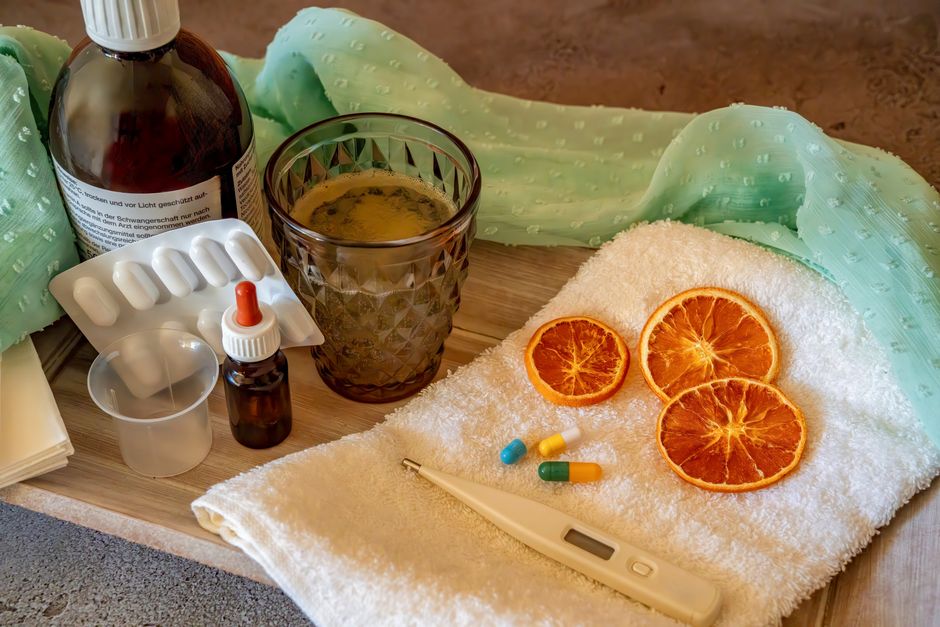
You cannot cure strep throat at home. Strep throat is a bacterial infection caused by group A Streptococcus, and it requires antibiotics to clear the bacteria from your body. Home remedies can ease your pain while you recover, but they do not kill the infection or prevent serious complications like rheumatic fever.
That distinction matters. Many people search for home remedies hoping to avoid a doctor visit or a prescription. But strep throat is one of the few common throat infections where antibiotics are genuinely necessary, not optional. Here is what actually helps, what does not, and why the antibiotic matters more than any home remedy.
What Is Strep Throat and How Do You Know You Have It?
Strep throat is an infection of the throat and tonsils caused by group A Streptococcus bacteria. It spreads through respiratory droplets when an infected person coughs or sneezes, or by touching surfaces contaminated with those droplets and then touching your face.
The symptoms tend to come on quickly. They include a sore throat that can be severe, pain when swallowing, fever, swollen and red tonsils, and sometimes white patches or streaks of pus on the tonsils. Swollen lymph nodes in the neck and a headache are common too.
One detail that surprises many people: strep throat usually does not cause a cough, runny nose, or hoarseness. Those symptoms point more toward a viral infection like the common cold. When a sore throat comes with coughing and congestion, it is less likely to be strep.
You cannot reliably diagnose strep throat by symptoms alone. A rapid antigen test or a throat culture done at a clinic or doctor’s office is needed to confirm it. This matters because the treatment decision depends on whether the infection is bacterial or viral, and the two can feel similar.
Why Antibiotics Are Necessary for Strep Throat
Antibiotics are the only treatment that eliminates the strep bacteria. Penicillin and amoxicillin are the most commonly prescribed. A doctor determines the right antibiotic and dose based on your situation.
The reason antibiotics matter goes beyond feeling better faster. Untreated strep throat can lead to serious complications. Rheumatic fever is an inflammatory condition that can damage the heart valves. It is rare in the United States today largely because strep throat is routinely treated with antibiotics. Post-streptococcal glomerulonephritis, a kidney condition, is another possible complication.
Antibiotics also reduce how long you are contagious. Someone with untreated strep throat can spread the infection for weeks. After starting appropriate antibiotics, a person is generally no longer considered contagious after about 24 hours, provided symptoms are improving.
This is why “curing” strep throat at home is not possible. No saltwater gargle, tea, or honey kills group A Streptococcus. Those remedies address comfort, not the infection itself.
What Home Remedies Actually Help With Strep Throat Symptoms?
Home remedies can make the days of recovery more bearable. They do not replace antibiotics, but they can reduce pain and help you stay hydrated and comfortable.
- Warm saltwater gargle. Dissolve about half a teaspoon of salt in a glass of warm water and gargle. This is a traditional remedy that can temporarily soothe throat pain by reducing swelling in the tissues. It does not treat the infection.
- Drinking warm liquids. Warm tea with honey, broth, or warm water with lemon can ease throat discomfort. Honey has some evidence for soothing coughs and sore throats, though it does not fight strep bacteria. Do not give honey to children under 1 year old because of the risk of infant botulism.
- Cold liquids and foods. Popsicles, ice chips, and cold drinks can numb a sore throat. This is especially helpful for children who resist drinking when swallowing hurts.
- Pain relievers. Over-the-counter medications like acetaminophen or ibuprofen can reduce pain and fever. Follow the label directions. Ibuprofen should be taken with food to protect the stomach.
- Humidified air. A cool-mist humidifier adds moisture to the air, which can keep your throat from feeling dry and irritated.
- Rest. Your body is fighting an infection. Rest supports recovery.
None of these remedies shorten the infection or prevent complications. They manage symptoms while antibiotics do the real work.




What Home Remedies Do Not Work for Strep Throat?
Several popular remedies get recommended online but have no evidence for treating strep throat specifically. It is worth knowing which ones fall into that category.
Apple cider vinegar gargles are frequently suggested. There is no clinical evidence that apple cider vinegar kills strep bacteria in the throat, and its acidity can irritate already inflamed tissue.
Essential oil gargles or sprays, including tea tree oil and oregano oil, are sometimes promoted as natural antibiotics. No studies confirm they treat strep throat. Some essential oils can be toxic if swallowed, and they should not be used in the throat or mouth without medical guidance.
Colloidal silver products are marketed for infections. They have no established role in treating strep throat, and long-term use of colloidal silver can cause a permanent bluish-gray discoloration of the skin called argyria.
Probiotics are sometimes suggested to prevent or treat strep throat. The evidence does not support this. Probiotics may have a role in reducing antibiotic-associated diarrhea, but that is a different question from treating the infection itself.
One important caution: do not stop antibiotics early because you feel better. Feeling better after a day or two is expected. Finishing the full course as prescribed is what ensures the bacteria are fully cleared and reduces the risk of complications and antibiotic resistance.
When Should You See a Doctor for a Sore Throat?
See a doctor when a sore throat is severe, lasts more than a few days, or comes with fever, swollen tonsils, or difficulty swallowing. These signs raise the possibility of strep throat or another infection that needs treatment.
Certain situations call for urgent care. Seek immediate medical attention if you have trouble breathing, cannot swallow your own saliva, have significant neck swelling, or are drooling. These can signal a more serious infection or a blocked airway.
Children with strep throat should see a doctor. The risk of complications, including rheumatic fever, is a key reason prompt treatment matters in children. A child with a sore throat and fever should be evaluated rather than treated at home.
People with weakened immune systems, those who take medications that suppress the immune system, and anyone with a history of rheumatic fever should be evaluated promptly for any sore throat.
How Long Does Strep Throat Last With and Without Treatment?
With appropriate antibiotics, most people start feeling better within 24 to 48 hours. Fever typically resolves within a day or two of starting treatment. Sore throat and other symptoms usually improve over several days.
Without antibiotics, symptoms may improve on their own within about a week in some cases. But the infection can linger, and the risk of complications is higher. The bacteria can also spread to others for much longer.
Even with antibiotics, some symptoms like swollen glands or mild throat discomfort can take a bit longer to fully resolve. If symptoms are not improving after a few days on antibiotics, or if they worsen, contact your doctor.
Can You Prevent Strep Throat?
There is no vaccine for strep throat, so prevention focuses on reducing spread. Good handwashing is the most reliable step. Wash your hands with soap and water for at least 20 seconds, especially after coughing or sneezing and before eating.
Avoid sharing drinking glasses, utensils, or food with someone who has strep throat. Cover your mouth and nose when you cough or sneeze. If someone in your household has strep throat, clean surfaces they frequently touch.
If you have been diagnosed with strep throat, stay home from work, school, or daycare until you have taken antibiotics for at least 24 hours and your fever has resolved. This reduces the chance of passing the infection to others.
Some people carry strep bacteria in their throat without symptoms. These carriers can occasionally spread the infection to others, though this is less common than spreading it while actively sick. This is one reason strep can circulate even when no one around you seems ill.
Frequently Asked Questions
Can strep throat go away on its own without antibiotics?
Strep throat can sometimes improve on its own within about a week, but the infection is not cured and serious complications like rheumatic fever remain possible. Antibiotics are recommended to clear the bacteria and lower that risk.
What is the fastest way to get rid of strep throat?
Seeing a doctor for a strep test and starting antibiotics as prescribed is the fastest way to clear the infection. Symptoms usually begin improving within 24 to 48 hours of starting treatment.
Does gargling salt water cure strep throat?
No. Saltwater gargling can temporarily ease throat pain, but it does not kill group A Streptococcus bacteria or cure the infection. It is a comfort measure, not a treatment.
Can I treat strep throat at home without seeing a doctor?
You can manage symptoms at home, but you cannot cure strep throat without antibiotics, which require a prescription. A rapid strep test or throat culture is needed to confirm the diagnosis first.
