
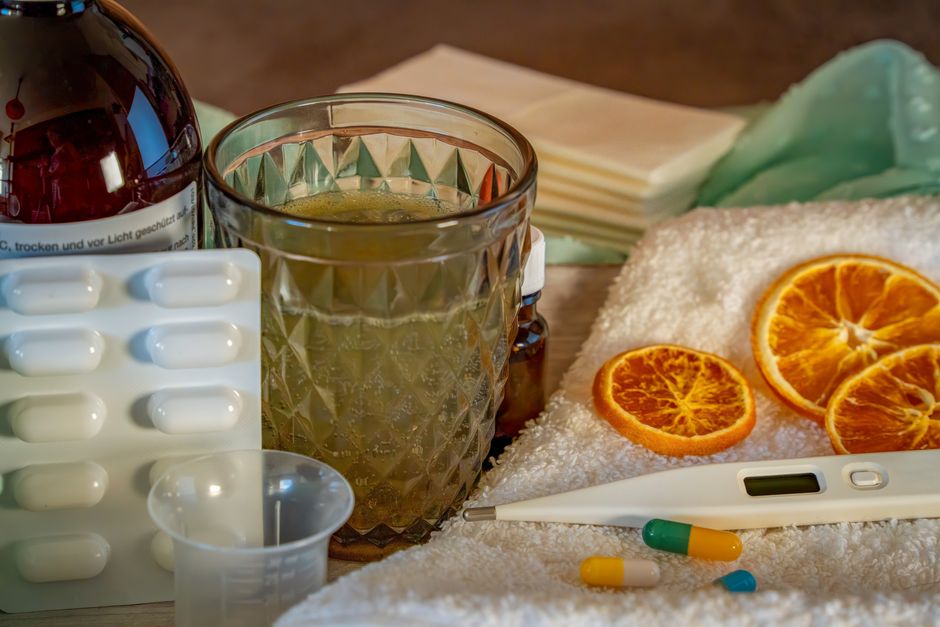
There is no single remedy that cures every sickness, and anyone who promises one is selling something. What actually works is matching the right treatment to the right cause, starting it early, and giving your body the conditions it needs to do its job. Most common sicknesses — colds, flu, stomach bugs, minor infections — improve on their own within days to a couple of weeks when you rest, hydrate, and treat symptoms correctly.
Below is what the evidence supports, what it does not, and where the honest limits are.
How To Cure Sickness Fast With Proven Remedies
Rest, fluids, and time resolve the majority of everyday infections. That is not a cop-out — it is the actual mechanism. Your immune system clears viral infections on a schedule it controls, not one you can rush with supplements.
What you can do is remove obstacles. Sleep is the big one. Research consistently shows that sleep deprivation impairs immune function, including reduced natural killer cell activity and poorer response to vaccines. If you are sleeping five hours a night, you are working against your own recovery.
Hydration matters more than most people think. Fever, sweating, vomiting, and diarrhea all pull water out of your body. Dehydration thickens mucus, makes headaches worse, and slows everything down. Water, broth, and oral rehydration solutions all work. Alcohol does not — it makes dehydration worse.
Fever is not the enemy. A mild fever is part of the immune response. Treat it if you are uncomfortable, not because a number on a thermometer needs to come down. Acetaminophen and ibuprofen both reduce fever and pain. Follow label dosing. Do not combine multiple products containing acetaminophen — accidental overdose from this is a real and serious problem.
Beyond that, proven remedies are narrow and specific:
- Oral rehydration solution for vomiting and diarrhea — this genuinely saves lives and is one of the most well-established treatments in medicine
- Antibiotics for confirmed bacterial infections — not for viral ones
- Antivirals for influenza and COVID-19 in certain patients, started early
- Honey for cough in adults and children over one year
- Saline nasal rinses for congestion
That list is short on purpose. Most of what gets marketed as a fast cure does not survive contact with a controlled trial.
Does Vitamin C or Zinc Actually Shorten a Cold?
The evidence is mixed, and the honest answer is that neither is a reliable cure.
Vitamin C taken regularly does not prevent colds in the general population. Some research suggests it may slightly reduce cold duration, but the effect is small and not consistent across studies. Taking a large dose after symptoms start has not been shown to help.
Zinc is more interesting. Some trials suggest zinc lozenges started within 24 hours of symptom onset may shorten cold duration by a day or so. Other trials show no effect. The results vary by formulation, dose, and how early it was started. Zinc lozenges can also cause nausea and a metallic taste, and long-term high-dose zinc can interfere with copper absorption.
What this means practically: if you want to try zinc lozenges early in a cold, the evidence is not strong enough to promise a benefit, but it is not unreasonable. Do not take high-dose zinc for weeks on end.
Echinacea, garlic, and most other popular cold remedies have weak or inconsistent evidence. No large human trials have confirmed they shorten illness in a meaningful way.
When Do You Need to See a Doctor?
Most sicknesses do not need medical care. Some do, and waiting is the wrong move.
Seek care promptly for:
- Difficulty breathing or shortness of breath
- Chest pain or pressure
- A fever above 103°F (39.4°C) in adults, or any fever in an infant under 3 months
- Confusion, stiff neck, or a severe headache that came on suddenly
- Signs of dehydration — no urination for 8 hours, dizziness on standing, dry mouth
- Blood in vomit or stool
- Symptoms that worsen after initially improving
- Any illness in someone who is immunocompromised or undergoing chemotherapy
These are not “wait and see” situations. They are reasons to get evaluated the same day or go to an emergency department.
For less urgent cases, a good rule is that a fever lasting more than three days, or symptoms that are not improving after about a week, deserve a call to your doctor. That does not mean something is seriously wrong. It means the cause may not be what you assumed.





Why Antibiotics Do Not Cure Most Sicknesses
Antibiotics kill bacteria. They do nothing to viruses. Colds, flu, most sore throats, most sinus infections, and most bronchitis are viral.
This is not a technicality. Taking antibiotics for a viral illness gives you the side effects — diarrhea, yeast infections, allergic reactions — with zero benefit. It also contributes to antibiotic resistance, which is one of the more serious public health problems of our time.
Some clinicians prescribe antibiotics for sinus infections or bronchitis anyway, often because patients expect them. That is common practice, not strong evidence. Many of those infections resolve without antibiotics.
When antibiotics are genuinely needed — strep throat, urinary tract infections, bacterial pneumonia — they work well and should be taken exactly as prescribed. Stopping early because you feel better is a mistake.
What Actually Slows Recovery
Several common habits work directly against getting better.
Drinking alcohol while sick is one. It worsens dehydration and disrupts sleep architecture, which is when much of immune recovery happens.
Pushing through with intense exercise is another. Moderate movement is fine if you feel up to it. Hard training while febrile or significantly ill can prolong recovery and, in rare cases involving certain viruses, has been associated with cardiac complications.
Smoking slows recovery from respiratory infections and damages the cilia that clear mucus from your airways.
Taking fever reducers around the clock to feel normal and then going back to full activity is a subtle one. You are masking a signal your body is using to tell you to rest.
And skipping meals entirely for days does not help. If you can eat, eat. If you cannot, focus on fluids and electrolytes.
How Long Should Sickness Last?
Timelines vary by cause, and knowing the normal range helps you decide when something is off.
- Common cold: symptoms usually peak in 2-3 days and resolve within 7-10 days, though a cough can linger for 2-3 weeks
- Influenza: sudden onset, worst in the first 3-4 days, most people recover within 1-2 weeks
- Stomach bug (viral gastroenteritis): typically 1-3 days
- Strep throat: improves within 24-48 hours of starting antibiotics
- COVID-19: highly variable, from a few days to weeks depending on severity and variant
A lingering cough after a cold is normal and does not mean you are still contagious. Post-viral cough can last for weeks as airways remain sensitive.
What is not normal: symptoms that steadily worsen after day 5-7, a fever that returns after going away, or new symptoms like shortness of breath or chest pain.
Can You Prevent Getting Sick in the First Place?
Prevention is more reliable than any cure.
Handwashing with soap and water remains one of the most effective interventions ever studied for reducing respiratory and gastrointestinal infections. It sounds boring. It works.
Vaccination is the other big one. Flu, COVID-19, and other vaccines reduce both your chance of getting sick and the severity if you do. Their effectiveness varies by season and strain matching, but the reduction in severe illness is well documented.
Sleep, regular moderate exercise, not smoking, and managing chronic conditions like diabetes all support immune function. None of these are dramatic. Together they matter more than any supplement on the shelf.
If you do get sick, the fastest path is usually the least exciting one: rest, fluids, symptom relief, and time. The remedies that work are the ones that support what your body is already doing.
Frequently Asked Questions
How can I cure a cold fast?
You cannot cure a cold — it has to run its course, usually 7-10 days. Rest, fluids, honey for cough, and saline rinses can ease symptoms while your immune system clears the virus.
Does zinc really shorten a cold?
Some studies suggest zinc lozenges started within 24 hours of symptoms may shorten a cold by about a day, but results vary and not all trials show a benefit. It is not a reliable cure.
When should I see a doctor for sickness?
See a doctor if you have trouble breathing, chest pain, a fever above 103°F, signs of dehydration, or symptoms that worsen after day 5-7. A fever lasting more than three days also warrants a call.
Do antibiotics help you get better faster?
Only if the infection is bacterial. Antibiotics do nothing against viral illnesses like colds and flu, and taking them unnecessarily causes side effects without any benefit.
