
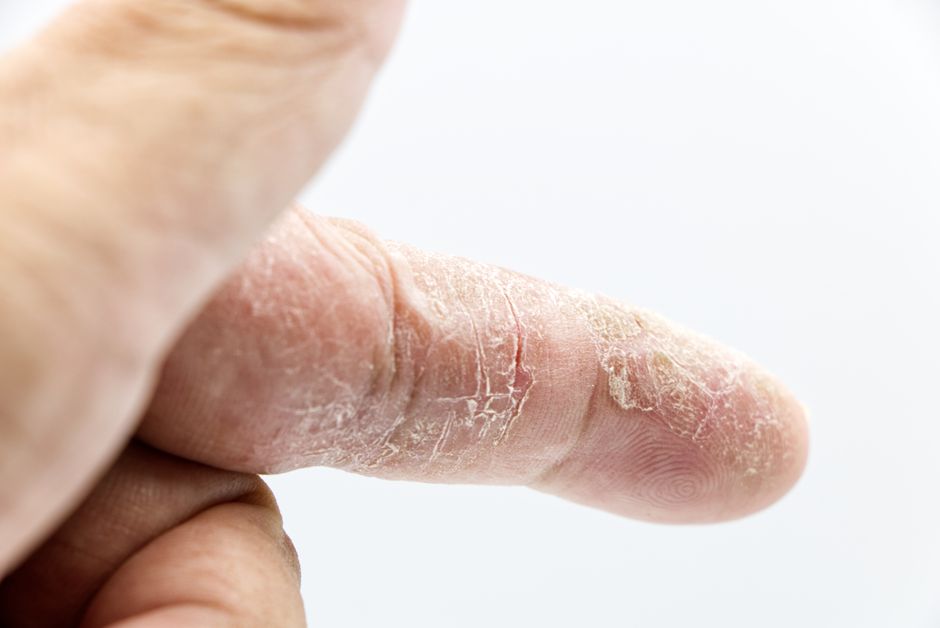
Ringworm is a fungal infection of the skin, not a worm. Curing it in humans means killing the fungus with an appropriate antifungal treatment, keeping the area clean and dry, and continuing treatment long enough that the infection does not come back.
In most cases, ringworm on the body or feet responds to an over-the-counter antifungal cream. Ringworm on the scalp, on the nails, or in the beard area usually needs prescription oral medication because topical creams cannot reach the fungus well enough. The exact steps depend on where the infection is.
What Is Ringworm And What Causes It?
Ringworm is a skin infection caused by fungi called dermatophytes. These fungi feed on keratin, the protein that makes up the outer layer of skin, hair, and nails. That is why infections show up on the skin surface, in hair follicles, and in nails rather than deeper in the body.
The name comes from the ring-shaped rash it often causes. The rash has a raised, scaly border and clearer skin in the middle, which can look like a worm curled under the skin. There is no worm involved.
Several different fungi can cause ringworm. The most common sources are other people, animals, and soil. You can get it from direct skin contact with an infected person or animal, from shared items like towels, combs, or locker room floors, and occasionally from soil. Pets, especially kittens and puppies, are a common source for children.
Ringworm is contagious. It spreads through skin-to-skin contact and through contact with contaminated surfaces. Warm, moist environments make it easier for the fungus to grow, which is why locker rooms, pools, and shared gym equipment are common places to pick it up.
How Do You Know If It Is Ringworm?
A ring-shaped rash with a scaly edge and clearer center is the classic sign. But not every ringworm infection looks like a ring. On the feet, it can look like peeling, cracking, or itching between the toes. On the scalp, it can look like a bald patch with broken hairs. On the nails, it can cause thickening, discoloration, and crumbling.
Other skin conditions can look similar. Eczema, psoriasis, and nummular dermatitis can all produce round or scaly patches. A doctor can usually tell the difference by looking, and if there is doubt, a small skin scraping can be checked under a microscope or cultured.
See a doctor if the rash is on the scalp, face, or nails, if it is spreading quickly, if it is very inflamed or oozing, or if it has not improved after a couple of weeks of treatment. These situations often need prescription treatment or a different diagnosis.
How To Cure Ringworm In Humans: Step By Step
The general steps are the same for most cases. The treatment product and duration change depending on the location.
Step 1: Confirm the location
Body ringworm, sometimes called tinea corporis, affects the trunk, arms, and legs. Foot ringworm, or tinea pedis, affects the feet. Scalp ringworm, or tinea capitis, affects the scalp, mostly in children. Beard ringworm, or tinea barbae, affects the beard area. Nail ringworm, or onychomycosis, affects the nails.
This matters because treatment differs. Body and foot ringworm usually respond to topical antifungals. Scalp, beard, and nail infections usually need oral medication.
Step 2: Start the right antifungal
For body ringworm, over-the-counter antifungal creams, lotions, or powders are the usual first choice. Common active ingredients include clotrimazole, miconazole, terbinafine, and tolnaftate. These are available without a prescription in the United States.
Apply a thin layer to the rash and to a small margin of normal-looking skin around it. Follow the package directions for how often to apply. Wash your hands before and after applying to avoid spreading the fungus to other parts of your body.
For scalp ringworm, topical creams do not work well enough on their own. Oral antifungal medication prescribed by a doctor is the standard treatment. The same applies to beard ringworm and nail ringworm.
Step 3: Keep going after the rash fades
This is where many people go wrong. The rash can start to fade within days, but the fungus is not gone. Stopping treatment too early is a common reason ringworm comes back.
For most body ringworm, treatment is typically continued for one to two weeks after the rash clears, or as directed on the product label or by your doctor. Follow the specific instructions that come with your product or from your clinician. If you are unsure how long to continue, ask a pharmacist or doctor.
Step 4: Keep the area clean and dry
Dermatophytes grow best in warm, moist skin. Wash the area gently with soap and water, then dry it thoroughly. Pat dry rather than rubbing, especially between the toes. If the infection is on the feet, change socks daily and choose breathable footwear.
Do not share towels, clothing, or bedding with others while you are treating the infection. Wash these items in hot water. Clean surfaces you touch often, especially in bathrooms and gym areas.
Step 5: Avoid spreading it
Do not scratch the rash. Scratching can spread the fungus to your hands and to other parts of your body. If you touch the rash, wash your hands right away.
If you have ringworm on your feet, put socks on before underwear when dressing. This reduces the chance of spreading the fungus from your feet to your groin.
Step 6: Treat pets if they are the source
If a pet has patches of missing fur, scaly skin, or circular lesions, it may have ringworm. Pets can pass it to people. A veterinarian can diagnose and treat it. Treating the pet helps prevent reinfection in the household.
Which Antifungal Treatments Work?
Several topical antifungals have good evidence for treating body and foot ringworm. They work by disrupting the fungal cell membrane or another part of the fungus’s structure, which kills the fungus or stops it from growing.
- Clotrimazole — available over the counter, applied once or twice daily
- Miconazole — available over the counter, similar use
- Terbinafine — available over the counter as a cream, often applied once or twice daily
- Tolnaftate — available over the counter, used for prevention and mild cases
- Prescription oral antifungals — used for scalp, beard, and nail infections, and for widespread or stubborn body infections
Severe or widespread body ringworm may need prescription oral treatment. A doctor decides this based on how much skin is involved, whether topical treatment has failed, and the person’s overall health.
Some products combine an antifungal with a corticosteroid. These can reduce redness and itching quickly, but they can also mask the infection and make it harder to judge whether the antifungal is working. They are generally used only for short periods and under medical guidance.
What About Home Remedies?
Some people try home remedies like apple cider vinegar, tea tree oil, garlic, or coconut oil. The evidence for these is limited. Some have mild antifungal activity in lab studies, but lab results do not always translate to real skin infections.
No large human trials have confirmed that these remedies cure ringworm on their own. Tea tree oil can cause skin irritation in some people. Delaying effective treatment while trying home remedies can let the infection spread or worsen.
If you want to try a home remedy alongside standard treatment, talk to a doctor or pharmacist first. Do not use it instead of antifungal medication for scalp, beard, or nail infections.
When To See A Doctor
See a doctor if the infection is on the scalp, beard, or nails. These almost always need prescription oral medication. Also see a doctor if the rash is spreading despite treatment, if it is very painful or oozing, if you have diabetes or a weakened immune system, or if you have used an over-the-counter antifungal for two weeks with no improvement.
Signs of a secondary bacterial infection include increasing pain, warmth, swelling, pus, or fever. These need medical attention.
People with diabetes may be more prone to foot infections and complications, so foot ringworm in someone with diabetes should be evaluated by a clinician.
How To Prevent Ringworm From Coming Back
Prevention focuses on keeping skin dry and avoiding contact with the fungus.
- Shower after sweating, sports, or gym use
- Dry your feet thoroughly, especially between the toes
- Wear breathable shoes and change socks daily
- Do not share towels, clothing, or personal items
- Wear sandals or shower shoes in public locker rooms and pools
- Clean gym equipment before use
- Wash hands after touching pets or soil
If you have had ringworm before, you may be more likely to get it again, especially if you play contact sports or use shared facilities. Consistent prevention reduces the chance of reinfection.
Frequently Asked Questions
How long does it take to cure ringworm?
Most body ringworm starts to improve within one to two weeks of consistent antifungal treatment. Scalp and nail infections take longer and usually need prescription oral medication for several weeks.
Can ringworm go away on its own?
Mild body ringworm can sometimes clear without treatment, but it often spreads and can take weeks or months. Treatment speeds healing and reduces the chance of passing it to others.
What kills ringworm fast?
Over-the-counter antifungal creams containing clotrimazole, miconazole, or terbinafine are effective for body ringworm. There is no product that cures it overnight — consistent use for the full recommended course is what works.
Is ringworm contagious?
Yes, ringworm is contagious through skin contact and contaminated surfaces. It can spread to other people, to pets, and to other parts of your own body until the infection is treated.
