
Muscle pain after a workout, a long day of yard work, or a sudden wrong move is one of the most common reasons people reach for an ice pack or a heating pad. The short answer is that ice helps most in the first day or two after an injury to calm swelling and numb sharp pain, while heat helps more once the acute phase has passed by relaxing tight, stiff muscles and easing soreness. Rest matters too, but complete rest for too long can actually slow recovery, so gentle movement usually beats lying still. There is no single cure for muscle pain — what works depends on what caused it and how long you have had it.
What Actually Causes Muscle Pain?
Muscle pain, called myalgia in medical terms, comes from a few different places. Knowing which one you are dealing with changes whether ice, heat, or rest is the right move.
The most familiar type is delayed onset muscle soreness, or DOMS. This is the aching, tender feeling that shows up roughly a day or two after unfamiliar or intense exercise and fades over the following days. It comes from microscopic damage to muscle fibers, not from a buildup of lactic acid as many people still believe. That lactic acid explanation is a myth — lactate clears from muscle within about an hour of exercise, long before soreness peaks.
Other common causes include:
- A muscle strain or pull, where fibers are stretched or torn
- Overuse from repetitive motion, like typing or lifting
- Muscle tension from stress or poor posture
- Minor trauma, such as bumping into something or sleeping in an odd position
Less often, muscle pain signals something else — an infection, a medication side effect, an electrolyte problem, or a thyroid issue. Pain that comes with weakness, swelling, dark urine, fever, or that does not improve over days deserves a medical evaluation rather than home treatment.
Does Ice Actually Help Muscle Pain?
Ice reduces pain and swelling in the early hours after an acute injury. Cold narrows blood vessels, which limits blood flow and fluid buildup in the injured area, and it slows nerve signals so pain feels duller.
The evidence for ice is strongest for acute injuries and right after a strain or sprain. It is weaker for general muscle soreness. Some research suggests icing sore muscles after a workout may not speed recovery and could even slightly blunt the muscle-repair process, though the findings are not strong enough to say ice is harmful. What is clear is that ice is a comfort tool, not a healing cure.
How to use it sensibly:
- Apply cold for short periods, typically around 15 to 20 minutes at a time
- Always wrap the pack in a cloth — never place ice directly on skin
- Leave at least an hour or more between sessions so skin can recover
- Stop if skin turns bright red, white, or numb
People with poor circulation, diabetes, or nerve damage in the area should be cautious with ice and check with a clinician first.
When Should You Use Heat Instead?
Heat helps tight, stiff, or chronically sore muscles relax. It widens blood vessels and increases blood flow, which can ease stiffness and make movement feel easier. Heat is the better choice once the acute swelling phase has passed, usually after the first day or two.
Heat works well for muscle tension, stiffness, and the lingering soreness that follows DOMS. It does not reduce swelling and can make a fresh injury worse, so avoid heat on a new strain, a swollen joint, or an area that is hot and inflamed.
Practical use:
- Warm showers, heating pads, or warm compresses for about 15 to 20 minutes
- Keep the heat comfortable, not hot enough to burn
- Never sleep with a heating pad on — burns can happen without you noticing
- Skip heat on areas with poor sensation or open wounds
How Does Rest Fit Into Recovery?
Rest helps, but the wrong kind of rest can backfire. Complete immobilization for days can lead to stiffness, weakness, and a slower return to normal. For most minor muscle pain, relative rest is better — ease off the activity that caused the pain, but keep moving gently.
For a mild strain, light activity that does not provoke sharp pain is generally fine. Walking, gentle stretching, and everyday movement keep blood flowing and prevent stiffness. For a more significant injury, a clinician may recommend a short period of protection followed by gradual return to activity.
Signs you should rest more and seek advice:
- Pain that is getting worse instead of better
- Swelling that keeps growing
- Weakness or inability to use the muscle normally
- Pain that lasts beyond a week or two without improvement
How To Cure Muscle Pain Ice Heat And Rest — Putting It Together
The old advice of ice, then heat, then rest still holds for many everyday muscle problems, but the timing matters more than most people realize. Ice belongs in the first day or two when there is swelling or sharp pain. Heat belongs after that, when the muscle is tight and stiff. Rest belongs throughout, but as gentle movement rather than total stillness.
A simple way to think about it:
- First 24 to 48 hours after an injury: ice to limit swelling and numb pain
- After the acute phase: heat to loosen stiffness and ease soreness
- Throughout: relative rest plus gentle movement as tolerated
A comparison can help clarify when each approach fits.
| Approach | Best For | Avoid When |
|---|---|---|
| Ice | New injuries, swelling, sharp pain | Poor circulation, numb skin |
| Heat | Stiffness, tight muscles, older soreness | Fresh injury, swelling, hot skin |
| Rest | Any muscle pain, in relative form | Prolonged total immobilization |
None of these three actually repairs muscle tissue. They manage symptoms while the body heals itself, which is why patience matters as much as any pack or pad.
What Else Helps Muscle Pain Heal?
Ice, heat, and rest are the basics, but a few other things support recovery. Over-the-counter pain relievers such as acetaminophen or ibuprofen can ease discomfort, though they treat the symptom rather than the cause and should be used according to label directions. Some clinicians recommend topical creams containing menthol or capsaicin for localized relief, though evidence for these varies by product.
Gentle stretching and light movement once the sharp pain has settled can reduce stiffness. Staying hydrated and eating enough protein supports muscle repair, though no specific diet has been shown to cure muscle pain. Sleep is often overlooked — poor sleep is linked to slower recovery and more perceived pain.
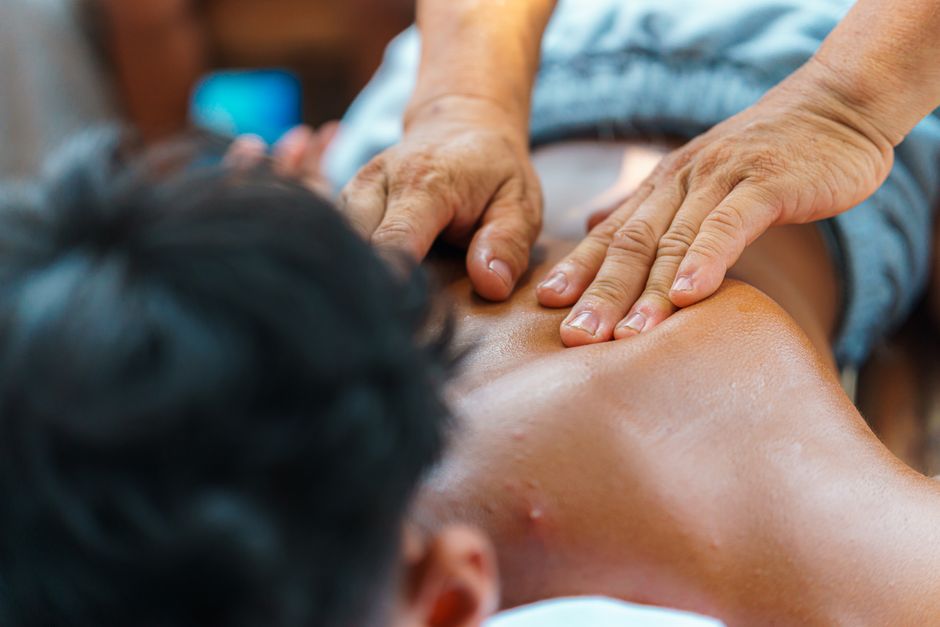
Massage and foam rolling are popular and may ease soreness for some people, but the evidence for how much they speed actual healing is limited. They are reasonable comfort measures, not proven treatments.
When Should You See a Doctor?
Most muscle pain from exercise or minor strain settles within a week or so. Certain signs mean you should not wait it out.
Seek medical care if you have:
- Severe pain that does not improve with rest and home care
- Muscle weakness or trouble moving the affected area
- Swelling that keeps getting worse
- Dark or cola-colored urine, especially after intense exercise
- Fever, chills, or redness and warmth spreading over the muscle
- Pain after starting a new medication
Dark urine after heavy exertion can be a sign of a rare but serious condition called rhabdomyolysis, where muscle breaks down rapidly. It needs urgent medical attention. This is uncommon, but it is worth knowing because early treatment matters.
Frequently Asked Questions
Should I use ice or heat for muscle pain?
Use ice for the first day or two after a new injury when there is swelling or sharp pain, and switch to heat once the acute phase passes and the muscle feels tight or stiff. Heat on a fresh injury can make swelling worse.
How long should I rest a pulled muscle?
For most minor strains, relative rest — easing off the activity that caused the pain while keeping gently active — is better than complete rest, which can cause stiffness and weakness. A clinician may advise a short period of protection for more significant injuries.
Does ice actually heal muscle pain?
Ice reduces pain and swelling but does not repair muscle tissue or cure the underlying problem. It is a comfort measure that helps while the body heals on its own.
How long does muscle pain usually last?
Delayed onset muscle soreness typically peaks a day or two after exercise and fades over the following days, while minor strains often improve within a week or two. Pain that worsens or lasts longer should be checked by a doctor.
