
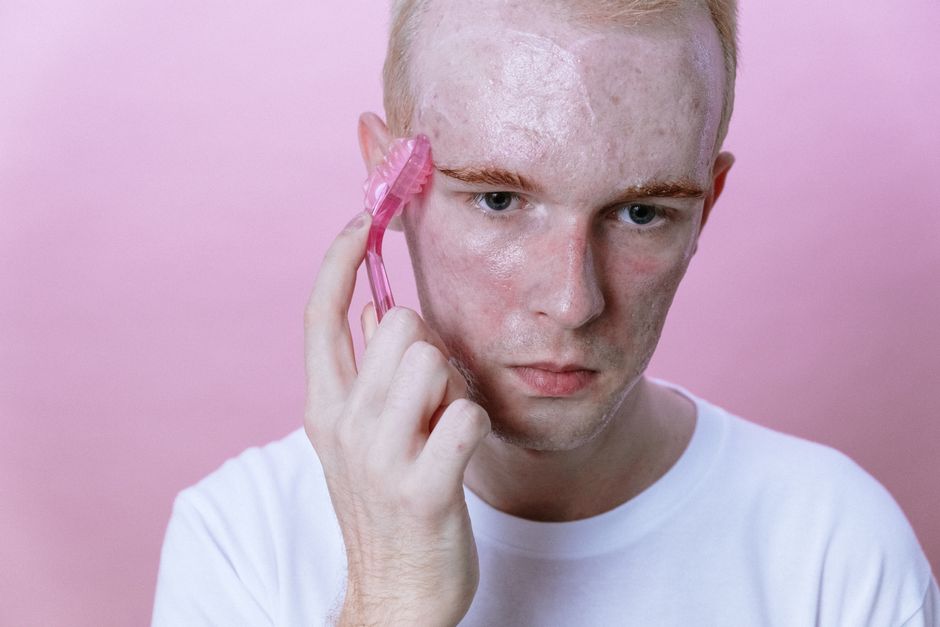
Chest acne is treatable, and most people see clear improvement with the right over-the-counter routine. The most effective options are body washes containing benzoyl peroxide or salicylic acid, used consistently for several weeks. If those do not work, a dermatologist can prescribe stronger treatments like topical antibiotics or oral medication.
What Causes Chest Acne in the First Place?
Chest acne develops the same way facial acne does. Your skin has pores that contain hair follicles and oil glands. When oil and dead skin cells clog a pore, bacteria can grow there, causing inflammation and a pimple.
The chest has a high concentration of oil glands, which is why it is a common breakout zone. Friction from tight clothing, sweat from workouts, and heavy body lotions can make the problem worse. These factors do not cause acne on their own, but they can trigger flare-ups in someone who is already prone to it.
Hormones also play a role. Androgen hormones increase oil production, which is why acne often appears during puberty, menstrual cycles, and times of stress. Some medications, including certain steroids and lithium, can also cause chest acne as a side effect.
How To Cure Chest Acne: Start With Over-the-Counter Washes
The first line of treatment is a medicated body wash used in the shower. Benzoyl peroxide and salicylic acid are the two ingredients with the strongest evidence behind them.
Benzoyl peroxide kills the bacteria that cause acne and helps clear clogged pores. It is available in body washes at concentrations of 2.5% to 10%. Start with a lower strength to reduce irritation. Leave the wash on your chest for one to two minutes before rinsing so it has time to work.
Salicylic acid works differently. It helps shed dead skin cells that clog pores. This makes it a good choice for blackheads and whiteheads on the chest. It is gentler than benzoyl peroxide for some people, but it does not kill bacteria directly.
Use one of these washes daily. Do not use both at the same time unless a dermatologist tells you to. Combining them can dry out and irritate your skin, which can actually make acne worse.
Give the treatment time. Acne does not clear overnight. Expect to use a medicated wash consistently for at least six to eight weeks before judging whether it works.
When Body Wash Is Not Enough: Topical Treatments
If a medicated body wash is not clearing your chest acne after two months, the next step is a leave-on treatment. These products stay on the skin longer and deliver a stronger dose of active ingredients.
Adapalene gel is available over the counter at 0.1% strength. It is a retinoid, which means it normalizes how skin cells shed and prevents pores from clogging. It is highly effective for many types of acne, including chest acne. Use a pea-sized amount and spread it thinly over the affected area at night. It can cause dryness and peeling during the first few weeks, so start by using it every other night.
Azelaic acid is another option. It has antibacterial and anti-inflammatory properties. Some research suggests it is particularly helpful for acne that leaves dark marks on the skin, which is common on the chest.
These treatments work best on clean, dry skin. Apply them after you shower and wait a few minutes for your skin to dry completely. Moisturizer can be applied on top if your skin feels tight or flaky.
Prescription Options for Stubborn Chest Acne
When over-the-counter treatments fail, a dermatologist has stronger tools. These are not guesswork — they are established medical treatments backed by clinical evidence.
Topical antibiotics like clindamycin reduce the bacteria on your skin. They are often combined with benzoyl peroxide to prevent antibiotic resistance. These are typically used for a limited time, not as a permanent routine.
Oral antibiotics, such as doxycycline or minocycline, treat moderate to severe acne from the inside. They reduce inflammation and bacterial growth. Most people see improvement within six to eight weeks. Oral antibiotics are usually prescribed for three to four months, then stopped to reduce the risk of resistance.
For severe or scarring chest acne, isotretinoin is the most powerful option. It is a vitamin A derivative that shrinks oil glands and is the closest thing to a true cure for acne. It requires close medical monitoring due to side effects, including dry skin, elevated liver enzymes, and serious birth defects if taken during pregnancy. It is reserved for cases that have not responded to other treatments.
Spironolactone is a medication sometimes prescribed for adult women with hormonal acne. It blocks androgen receptors and reduces oil production. Evidence for its use on chest acne specifically is more limited, but some dermatologists recommend it when hormonal acne is suspected.
Lifestyle Changes That Actually Help
Some daily habits can reduce chest breakouts, though none of them cure acne on their own. They work best alongside a consistent treatment routine.
Shower soon after sweating. Sweat itself does not cause acne, but letting sweat and oil sit on your skin can trap bacteria in pores. Showering within 30 minutes after a workout is a reasonable goal.
Wear loose, breathable clothing during exercise. Tight synthetic fabrics trap heat and moisture against the skin. Cotton or moisture-wicking materials allow your skin to breathe.
Change your laundry detergent if you suspect irritation. Some detergents and fabric softeners contain fragrances that can irritate acne-prone skin. Look for a fragrance-free, hypoallergenic detergent. This helps if your chest acne is actually a form of irritation rather than true acne, which is common.
Do not scrub your chest hard with a loofah or washcloth. Aggressive scrubbing irritates the skin and can worsen inflammation. Use your hands or a soft cloth with gentle circular motions.
What Not To Do: Common Mistakes That Worsen Chest Acne
Picking or popping chest pimples is the single worst thing you can do. It pushes bacteria deeper into the skin, increases inflammation, and raises the risk of permanent scarring. The chest heals slower than the face and is prone to thick scars.
Do not use heavy body lotions or oils on your chest. Many moisturizers are formulated for dry body skin and contain ingredients that clog pores. If your chest needs moisture, choose a non-comedogenic lotion, which means it is designed not to block pores.
Avoid applying multiple acne treatments at full strength. Using benzoyl peroxide wash, salicylic acid spray, and adapalene all at once will damage your skin barrier. This leads to redness, peeling, and sometimes more breakouts. Stick to one active ingredient at a time unless directed otherwise.
Do not assume chest bumps are always acne. Folliculitis is an infection of the hair follicles that looks very similar to acne. It appears as small red bumps or pustules, often after shaving, hot tub use, or heavy sweating. Fungal folliculitis, sometimes called pityrosporum folliculitis, is caused by yeast and requires antifungal treatment, not acne medications. If your chest breakouts are itchy, all look similar, or do not respond to acne treatments, see a dermatologist for an accurate diagnosis.
How Long Does It Take To Clear Chest Acne?
Most people see noticeable improvement within six to eight weeks of consistent treatment. Full clearing can take three to four months. This timeline applies to both over-the-counter and prescription treatments.
Acne treatments work by changing how your skin behaves, not by instantly removing existing pimples. The process is gradual. New breakouts may continue during the first few weeks of treatment, which is normal. This is sometimes called purging, and it does not mean the treatment is failing.
If you see no improvement after three months of consistent use, the treatment is likely not right for your skin type. This is the point to seek professional help rather than trying another over-the-counter product.
Frequently Asked Questions
Can chest acne be cured permanently?
No treatment permanently cures acne for everyone, but many people achieve long-term clearance. Maintenance treatment is often needed to keep the skin clear.
Is chest acne caused by poor hygiene?
No. Chest acne is caused by oil, dead skin cells, and bacteria in the pores, not by being dirty. Washing more often or scrubbing harder will not cure it and can make it worse.
Can chest acne be a sign of something else?
Yes. Bumps on the chest can also be folliculitis, a fungal infection, or a reaction to a product. If your condition does not respond to acne treatment or looks unusual, see a dermatologist.
Is it safe to pop chest pimples?
No. Popping chest pimples increases the risk of infection and permanent scarring. Let them heal on their own or use a spot treatment.
